William B. Ittner
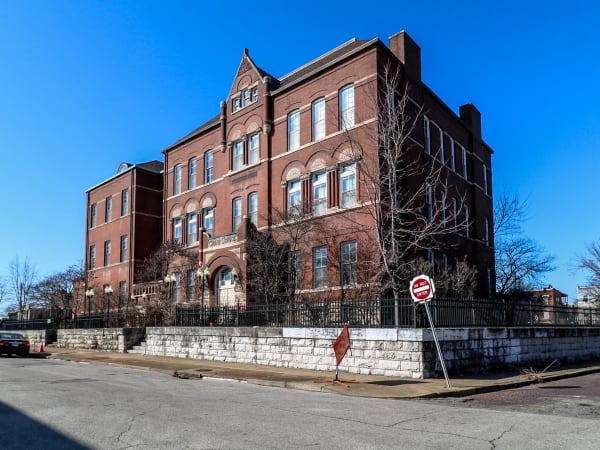
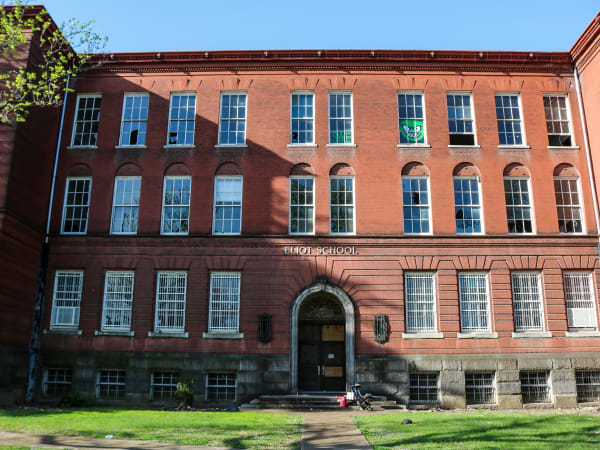
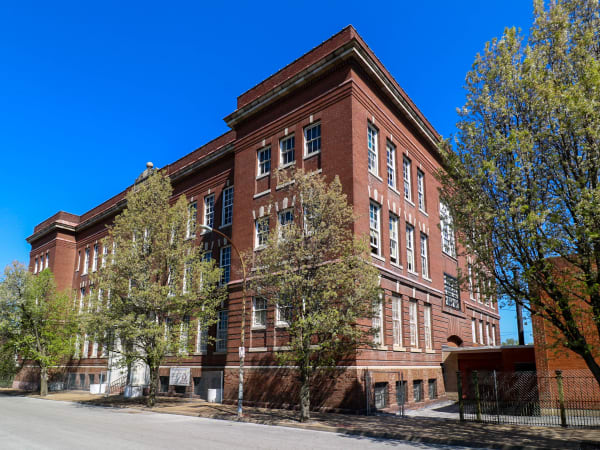
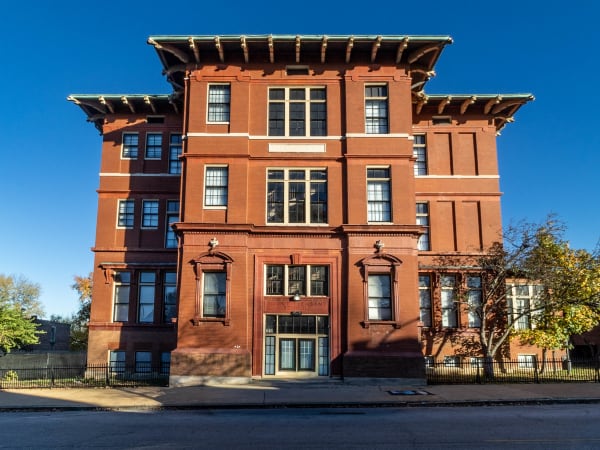
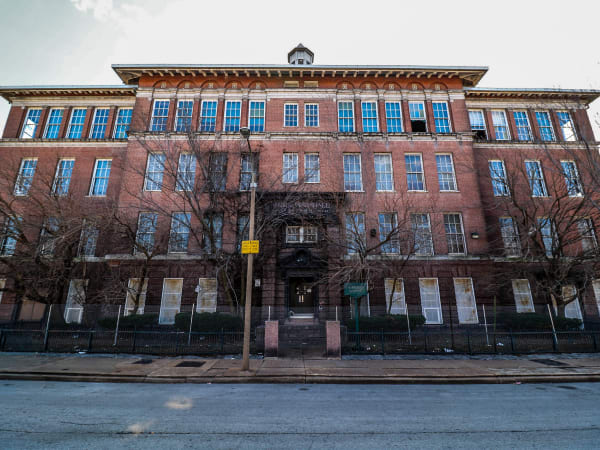
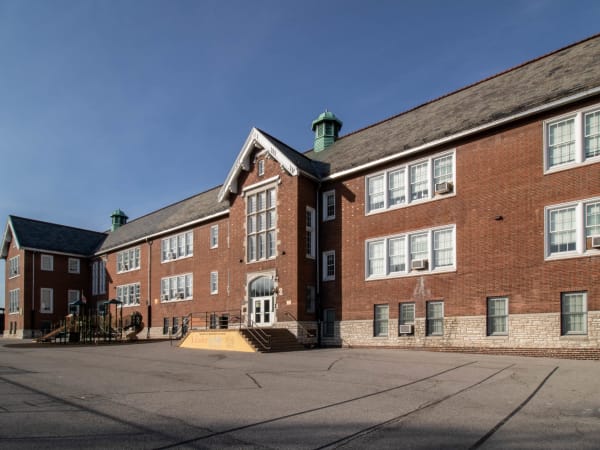
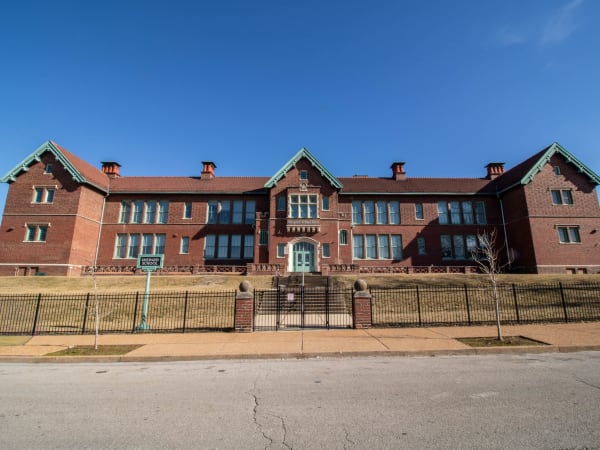
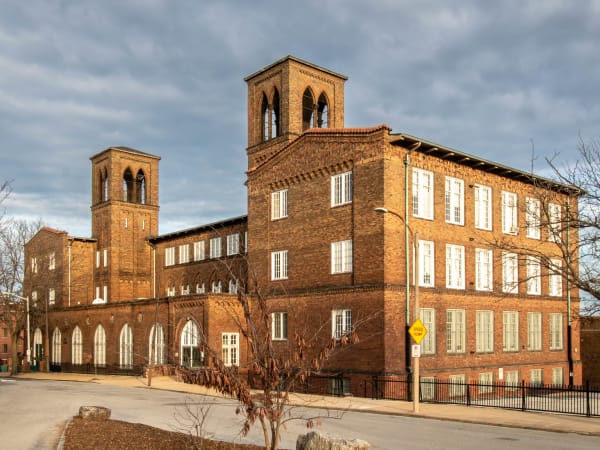
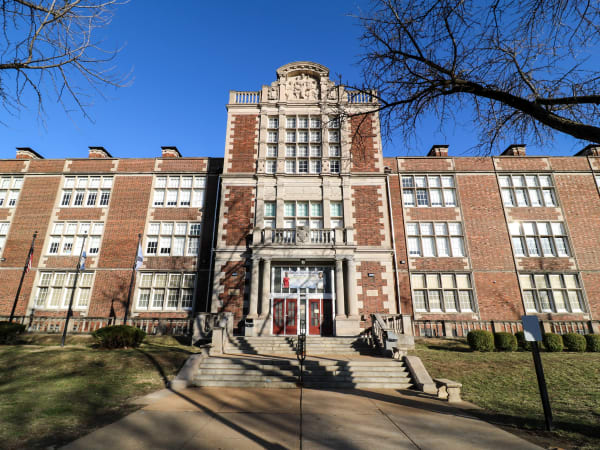
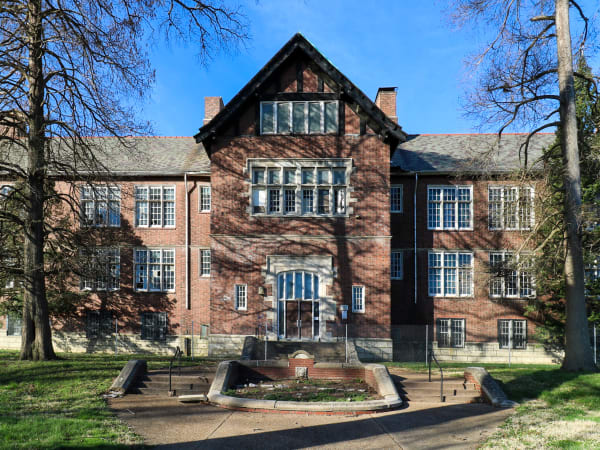
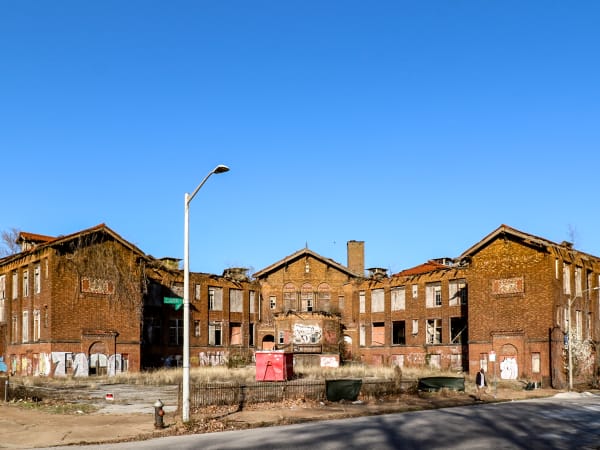
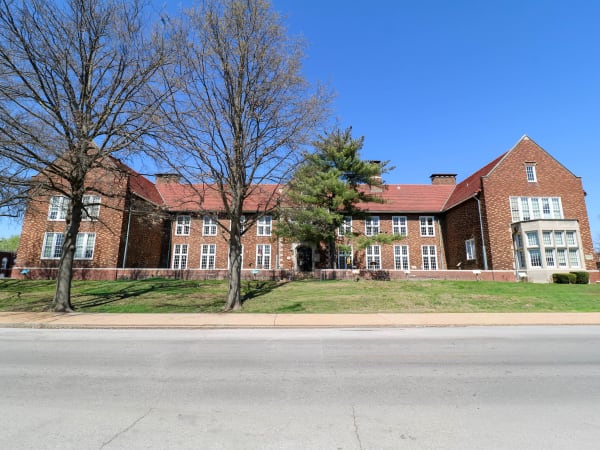
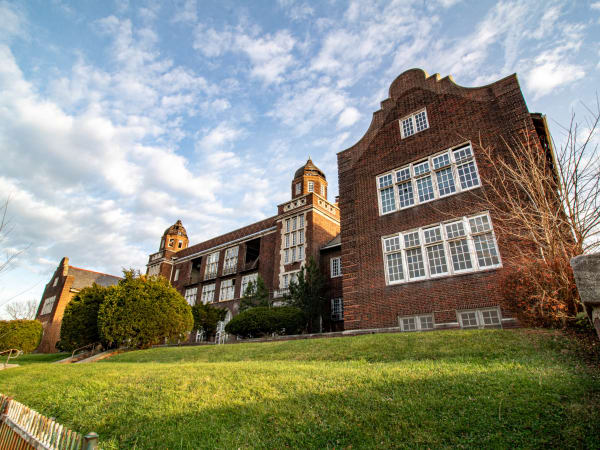
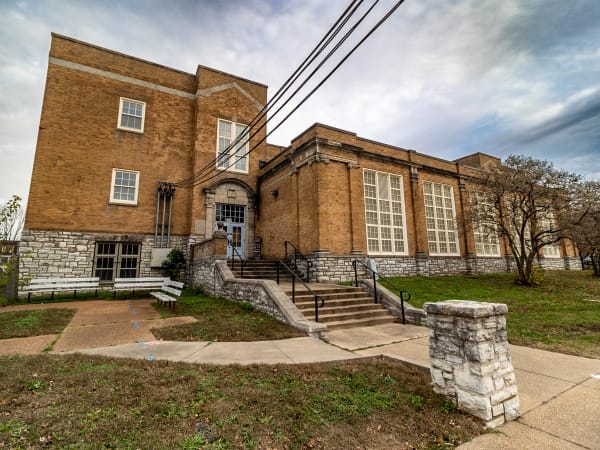
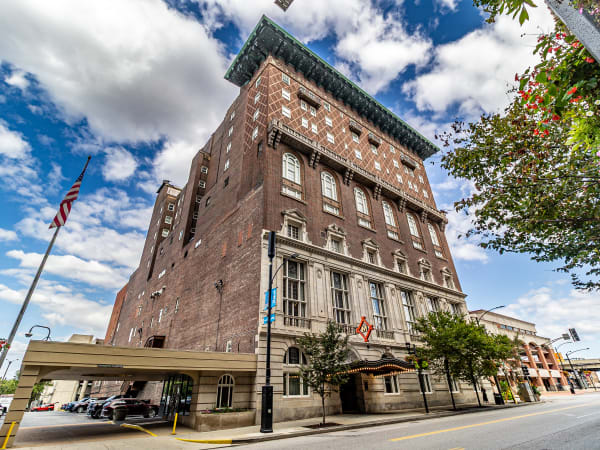
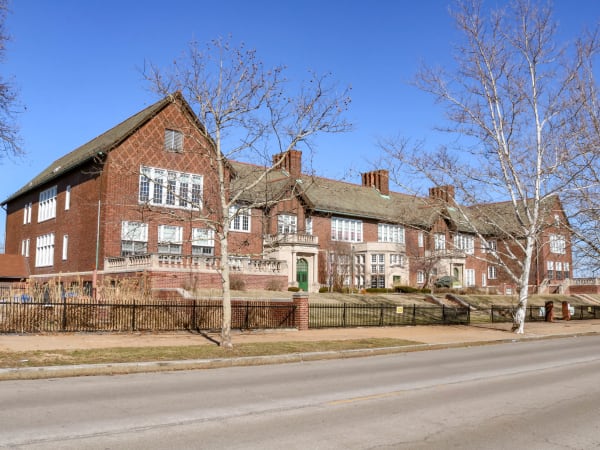
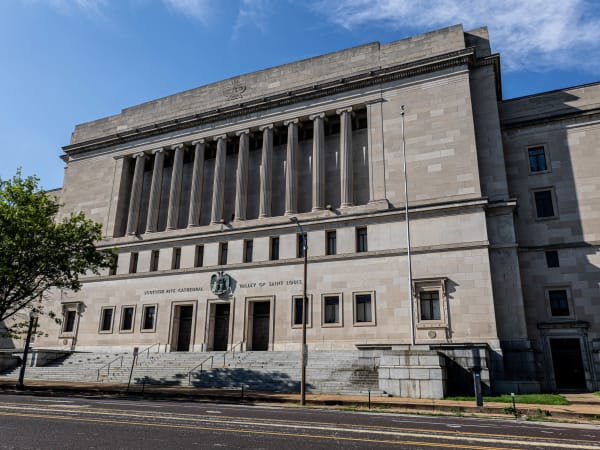
William B. Ittner was born in St. Louis in 1864 and trained as an architect before being appointed Commissioner of School Buildings for the St. Louis Public Schools in 1897, a position he held until 1910. This role gave him extraordinary influence over the design of educational facilities during a period of rapid expansion, and he used it to revolutionize school architecture not just locally but nationally. Ittner developed what became known as the "open-air" school plan, emphasizing natural light, ventilation, and efficient circulation—innovations that responded to progressive-era concerns about child health and pedagogy. His designs moved away from the dark, cramped schoolhouses of the nineteenth century toward buildings organized around central corridors with classrooms receiving cross-ventilation and abundant daylight. The sheer volume of Ittner's school work in St. Louis is remarkable. The archive documents over forty schools spanning from Blow School in 1890 through Scullin School in 1928, including major high schools like McKinley, Central, Soldan, Sumner, and Cleveland. His influence extended beyond the city limits to Maplewood, University City, and Kirkwood, and his reputation eventually brought commissions from school districts across the country. Stylistically, Ittner worked in various period idioms—Classical Revival, Tudor, and Georgian among them—but his real contribution lay in planning rather than ornament. He treated schools as civic architecture worthy of serious design attention, giving neighborhoods dignified public buildings that signaled investment in education. Beyond his school work, Ittner maintained a broader practice that included fraternal buildings like the Scottish Rite Cathedral and Belleville Masonic Temple, the Missouri Athletic Club, and later commercial work such as the Continental Life Building. He died in 1936, having shaped the physical environment of St. Louis schoolchildren for two generations. His legacy persists in the dozens of Ittner schools still standing throughout the region, many continuing to serve their original educational purpose more than a century after construction.