Fanning School
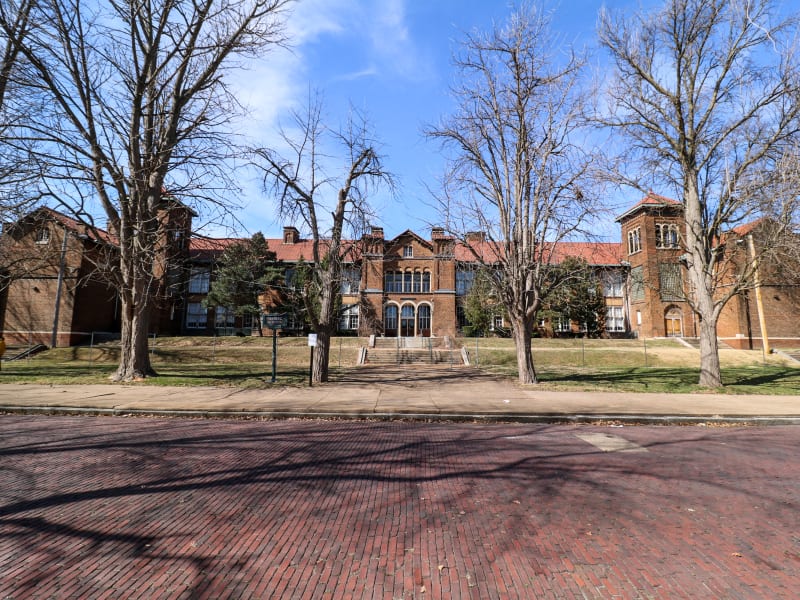
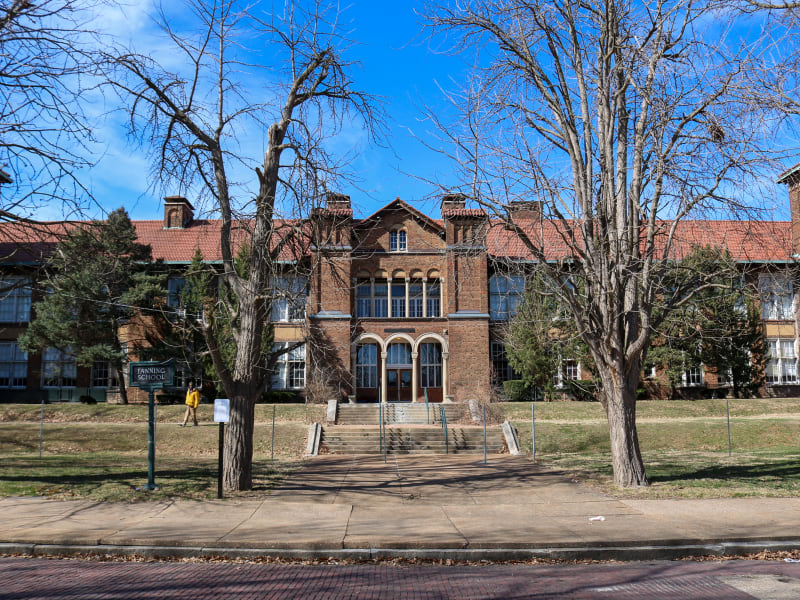
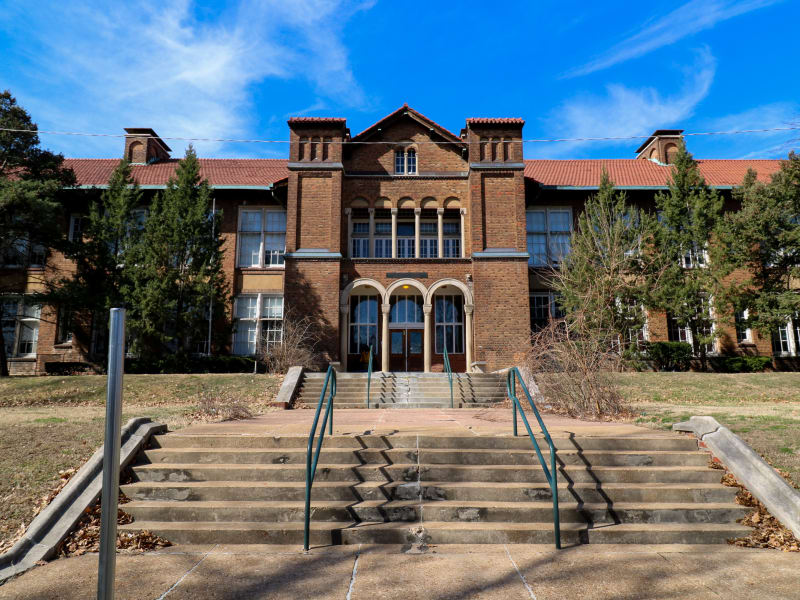
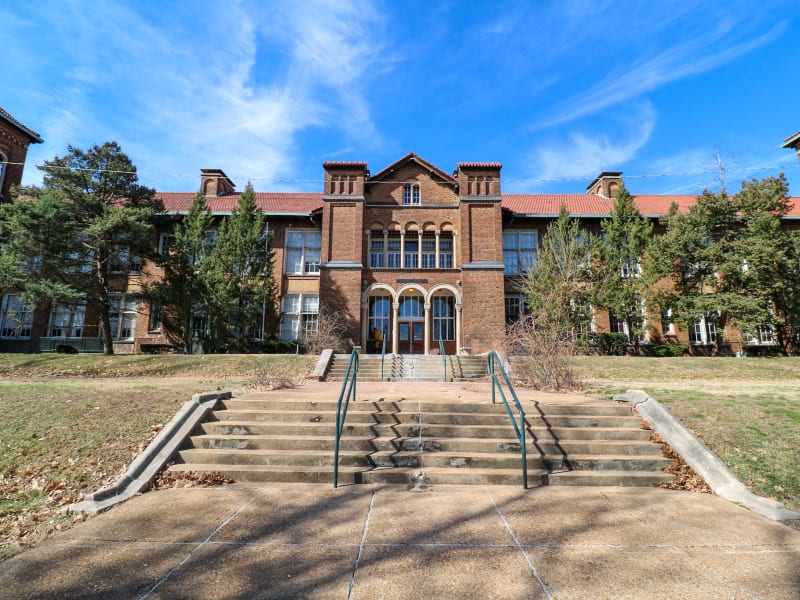
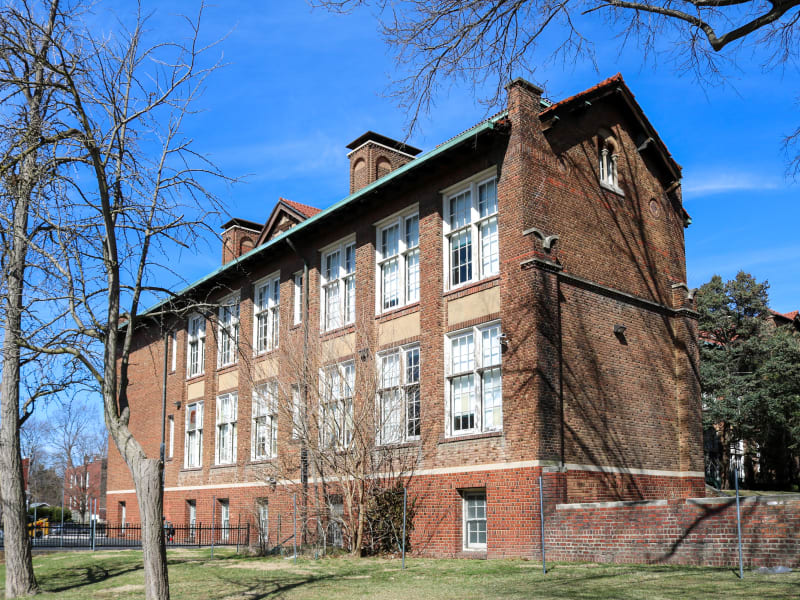
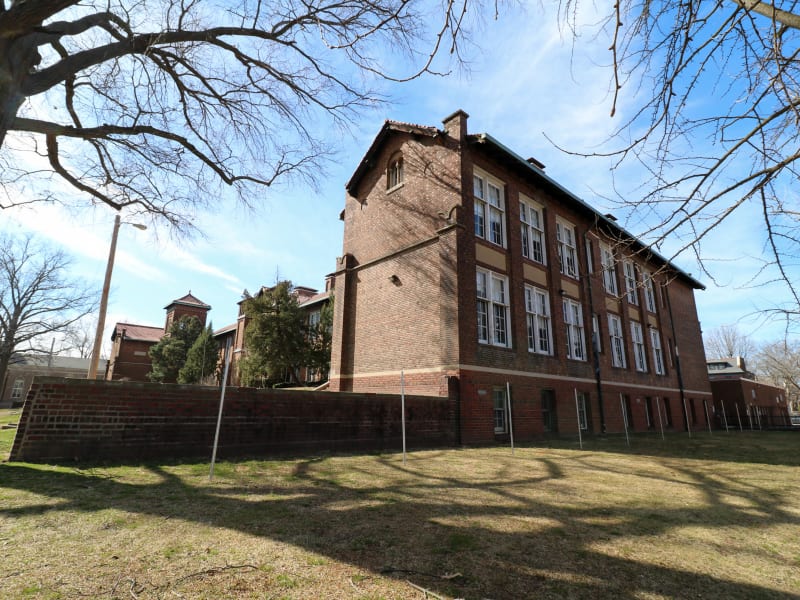
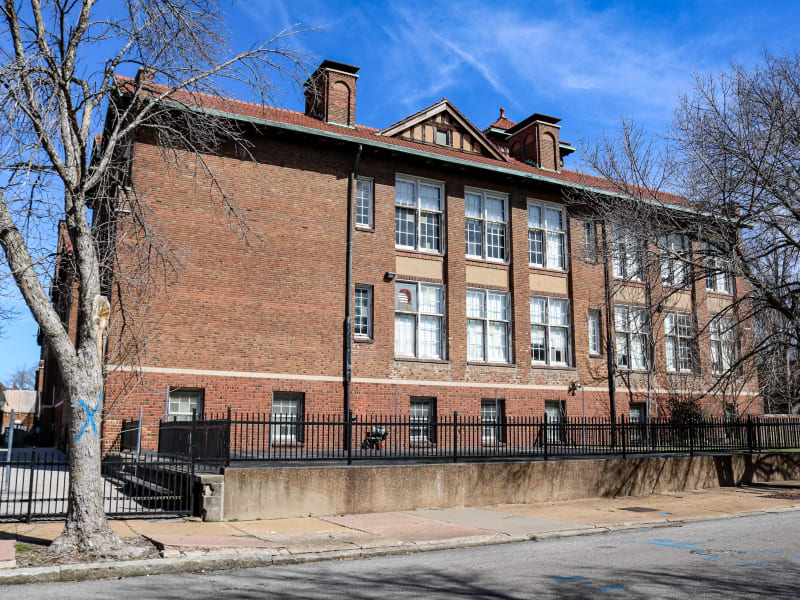
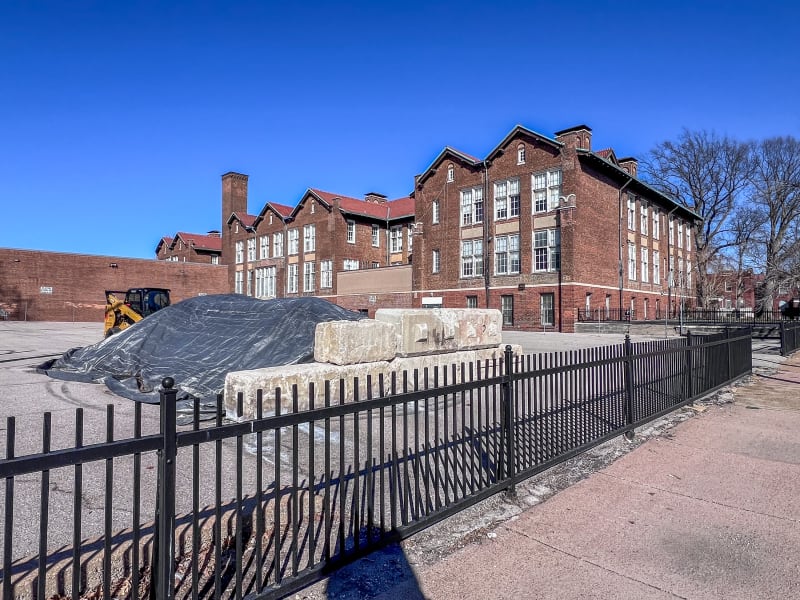
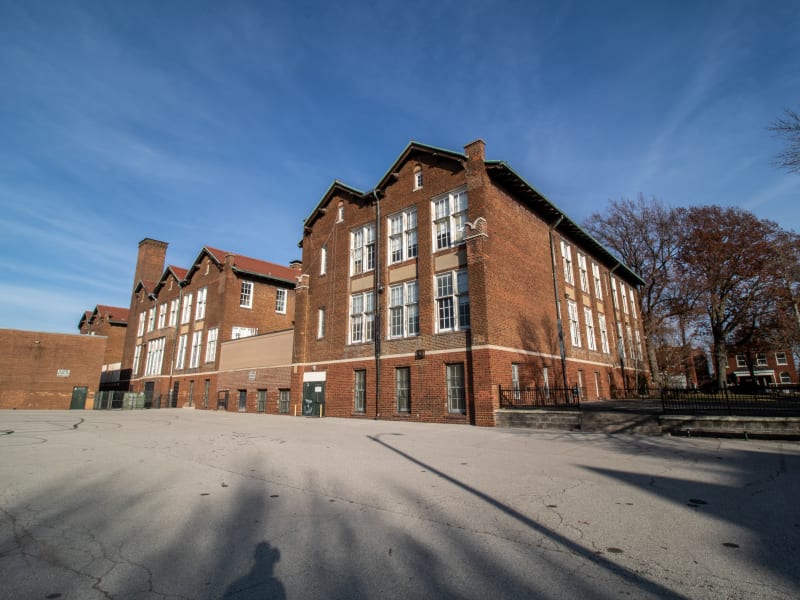
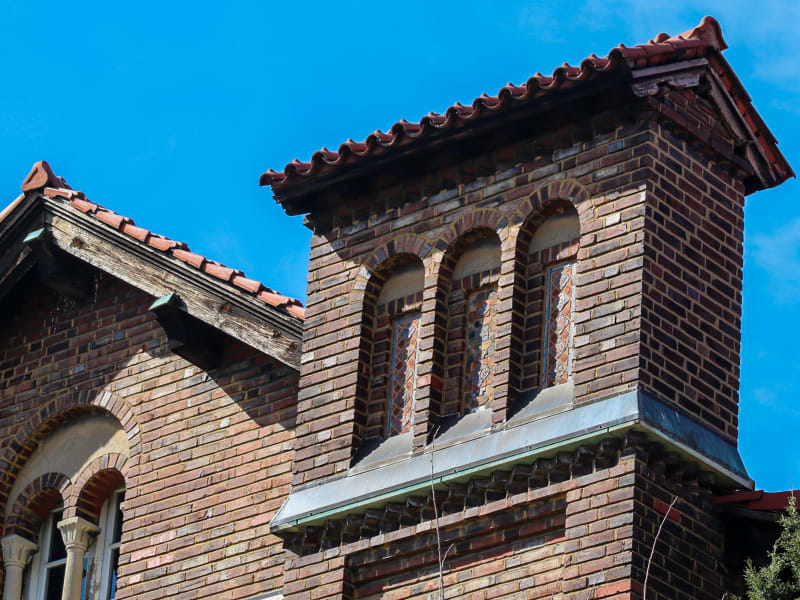
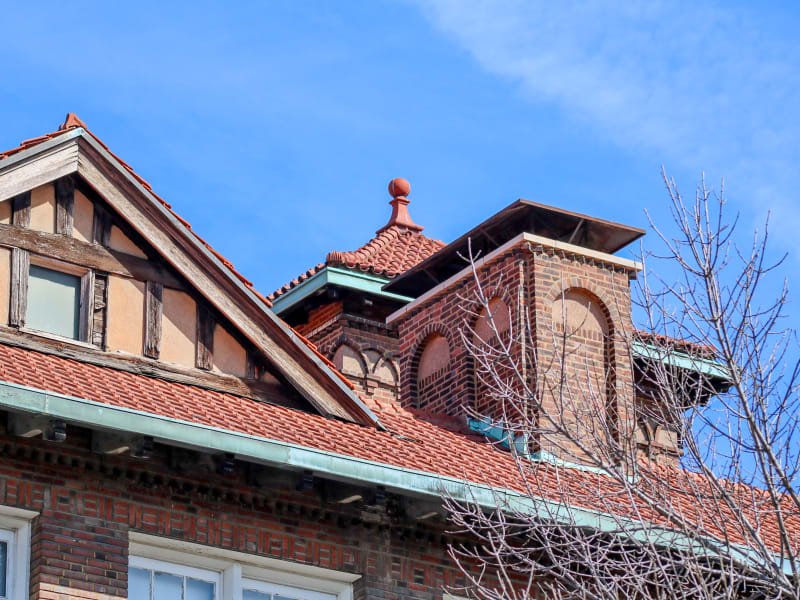
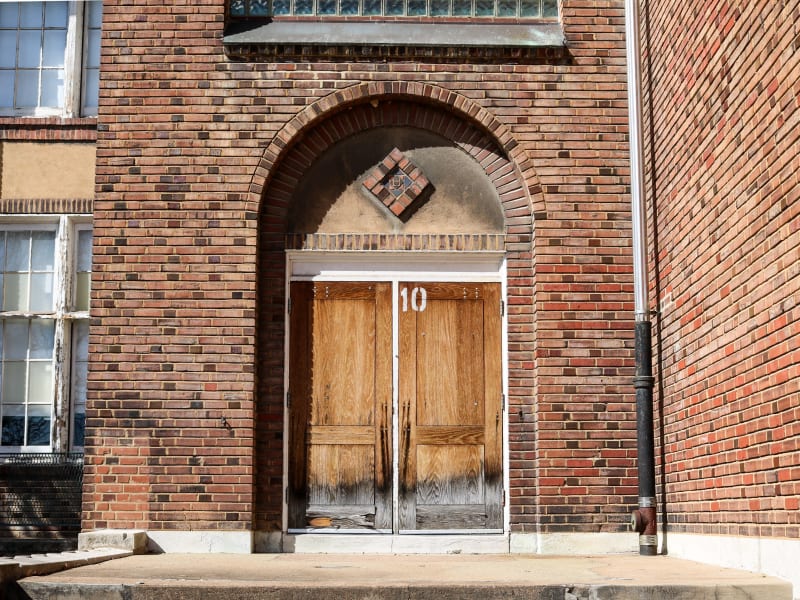
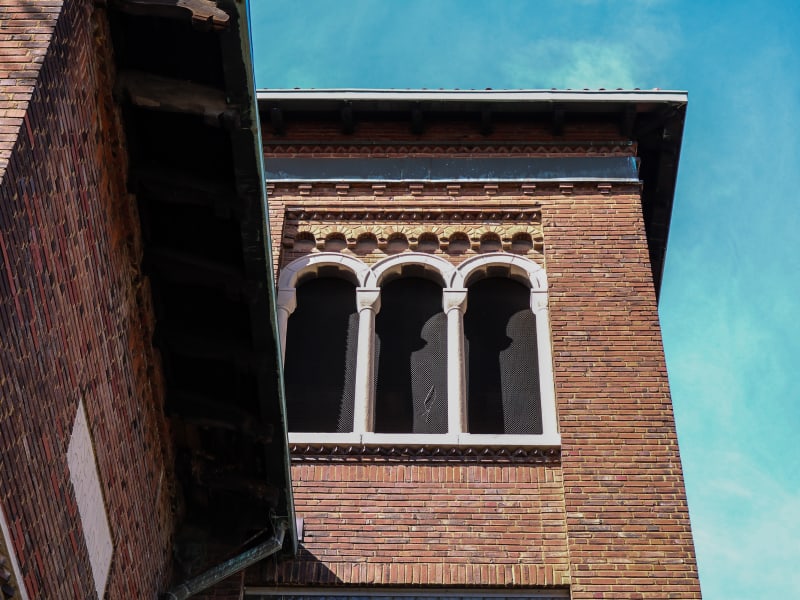
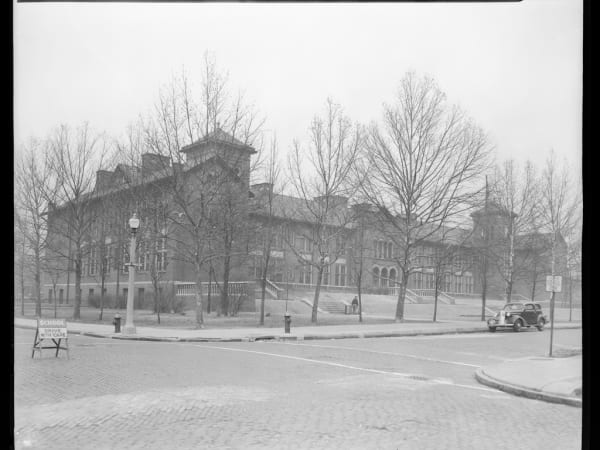
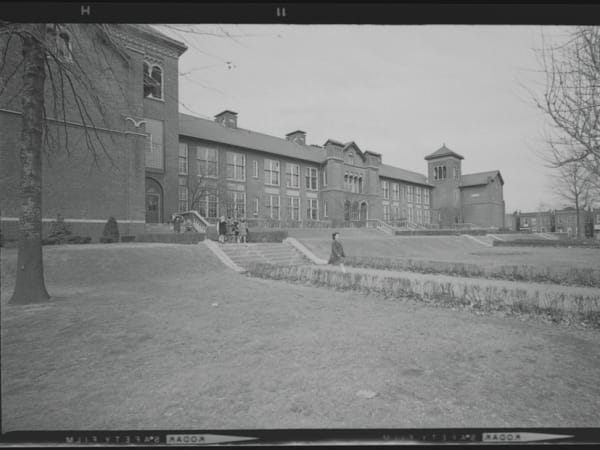
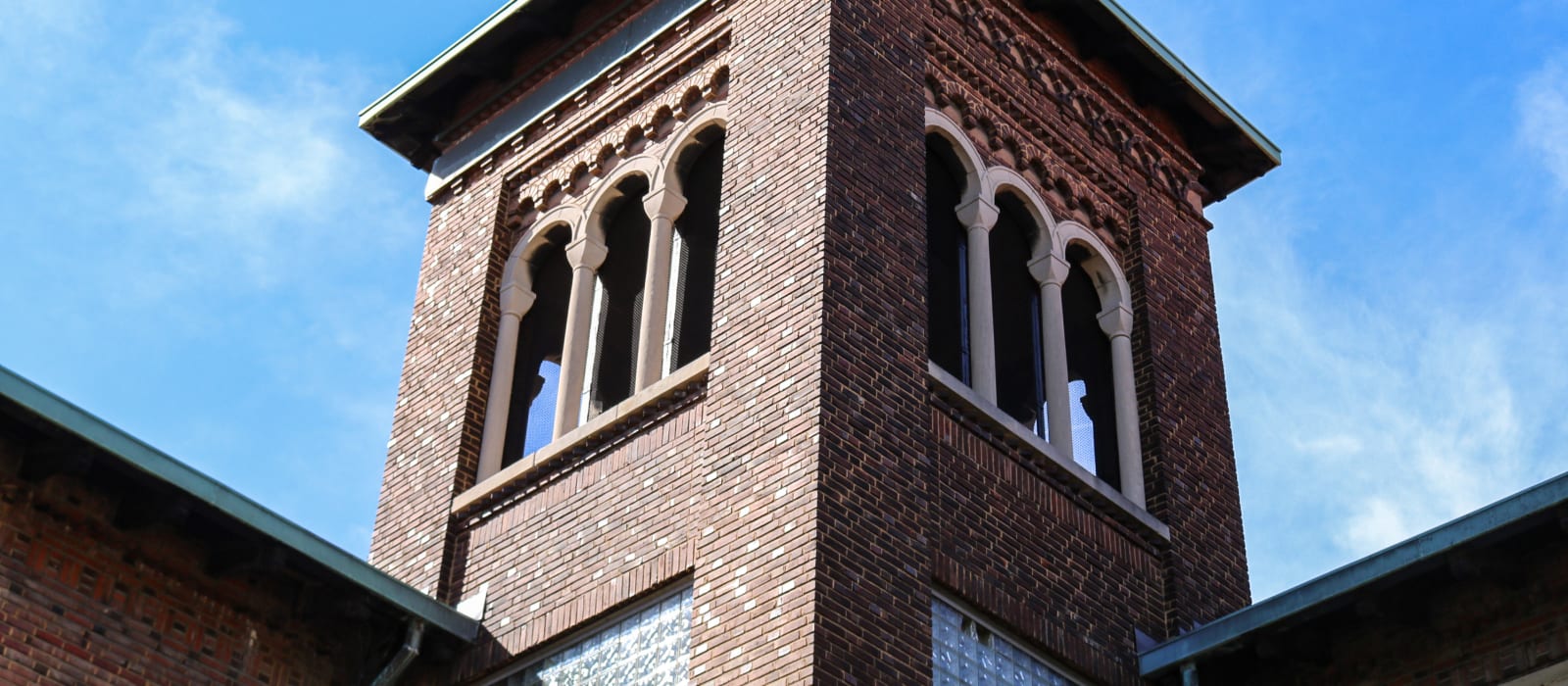
Fanning School exemplifies William B. Ittner's influential approach to school design, featuring his characteristic E-shaped or modified plan that maximized natural light and ventilation in classrooms. The red brick building displays refined Renaissance Revival detailing with decorative limestone trim, prominent cornices, and large grouped windows that give the façade a rhythmic, orderly appearance typical of Ittner's progressive educational architecture.
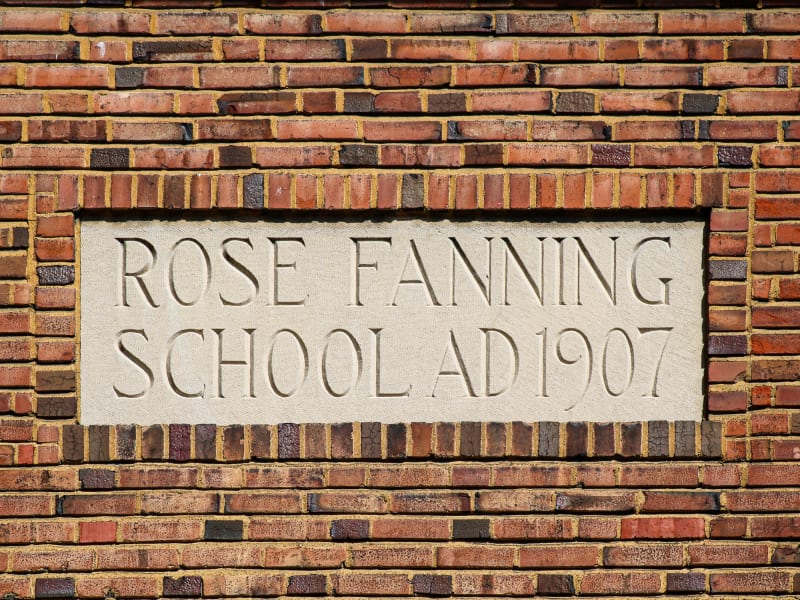
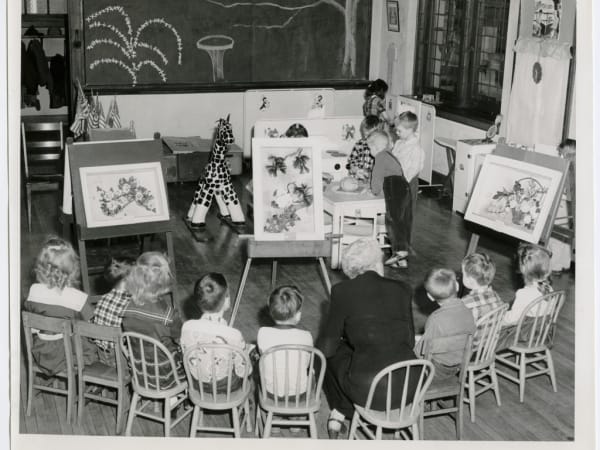
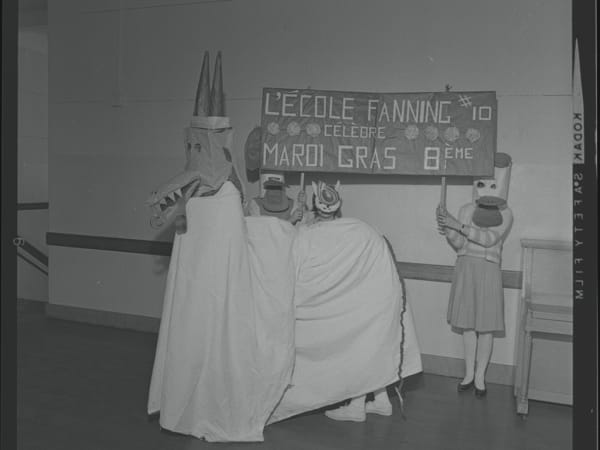
Fanning School opened in 1907 as part of the remarkable building campaign led by William B. Ittner during his tenure as Commissioner of School Buildings for the St. Louis Public Schools. The school was named in honor of John Thomas Fanning, a distinguished civil engineer who had served on the St. Louis Board of Education. Fanning's contributions to the city included significant work on water supply systems, making him a fitting namesake for an institution dedicated to educating the next generation. The school served the families of Tower Grove South, a neighborhood that was rapidly developing in the early twentieth century as streetcar lines made the area increasingly accessible to working-class and middle-class residents. For decades, Fanning School educated generations of children from this stable residential community, functioning as both an academic institution and a neighborhood anchor. Like many St. Louis public schools, Fanning faced challenges as demographic shifts and declining enrollment affected the district throughout the latter half of the twentieth century. The building's fate followed a pattern common to Ittner schools across the city, with the structure eventually transitioning away from its original educational purpose. Today, the Fanning School building remains standing on Grace Avenue, a testament to the durability of Ittner's designs and the enduring presence of early twentieth-century institutional architecture in Tower Grove South.