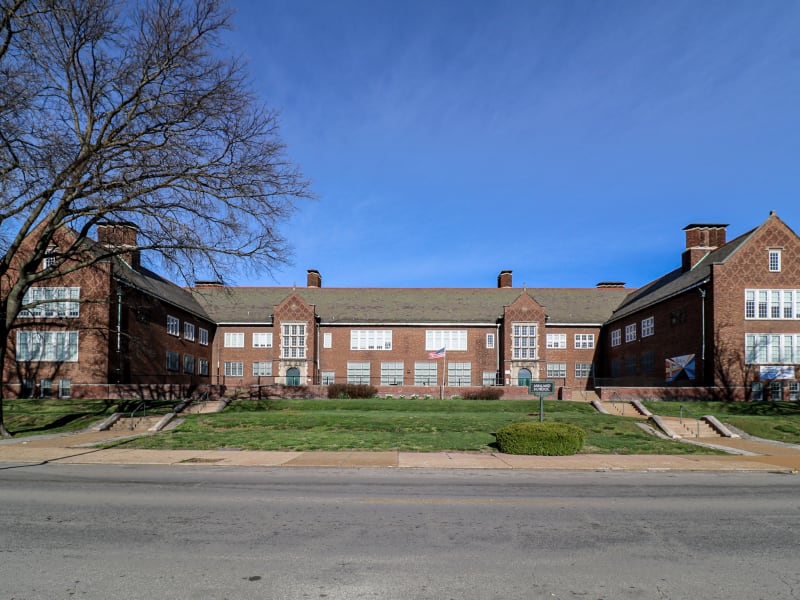
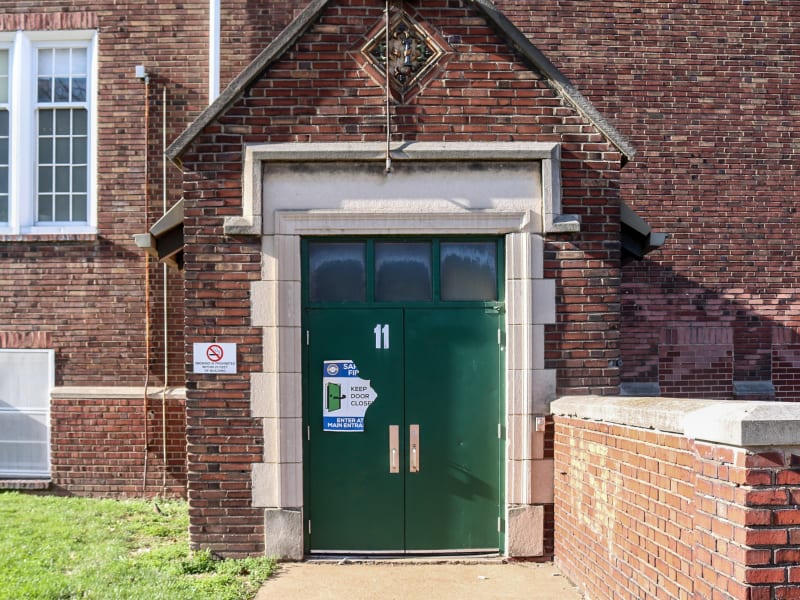
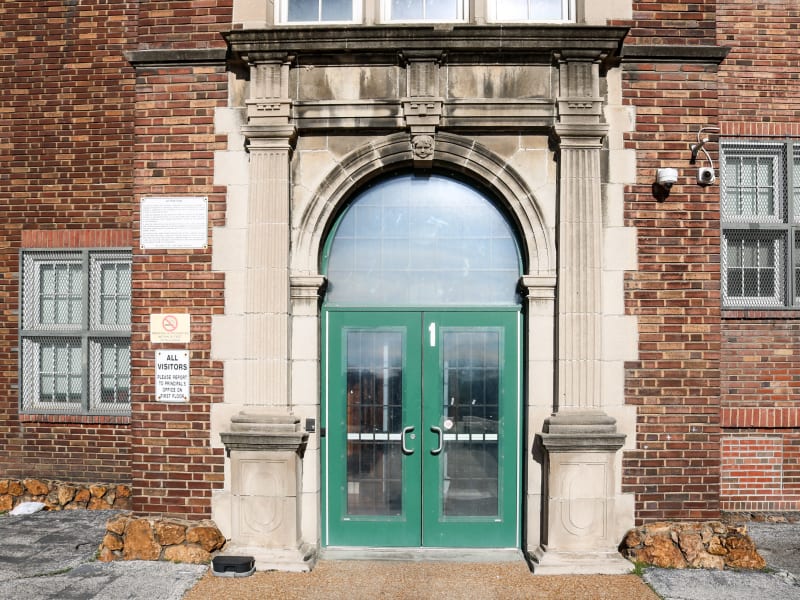
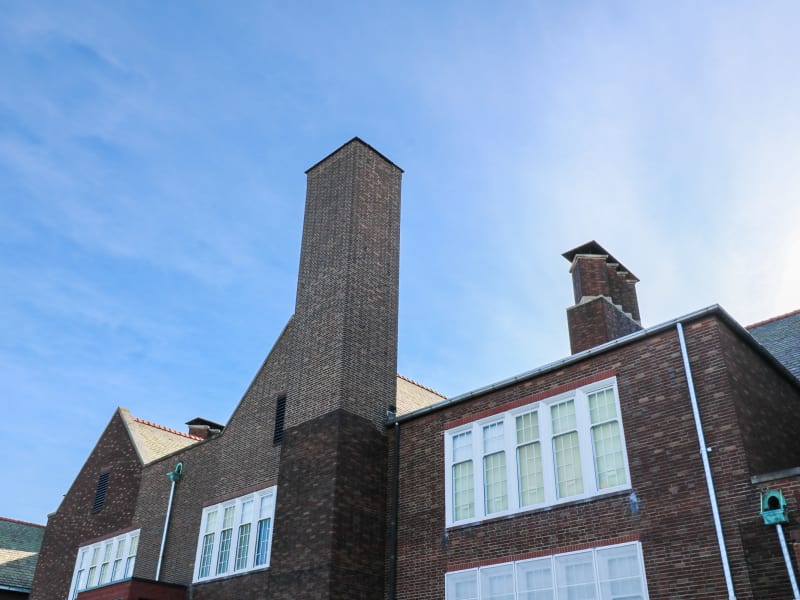
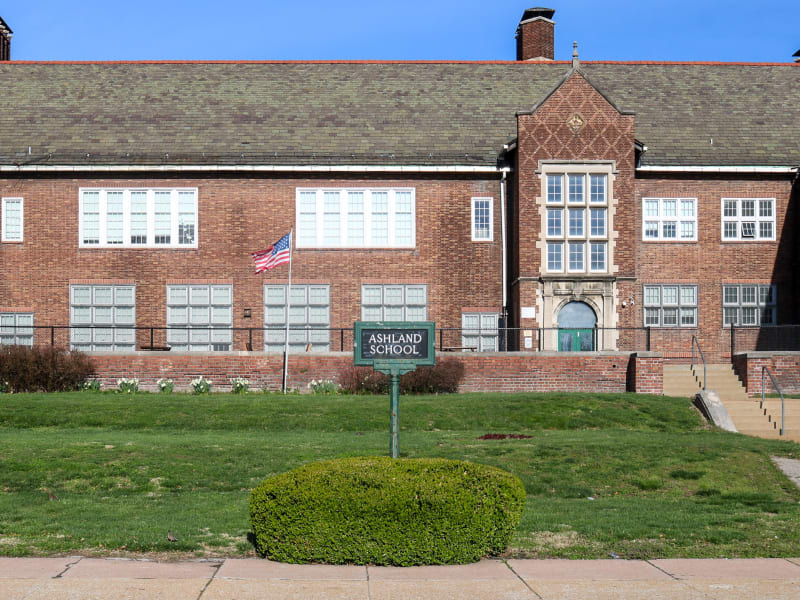
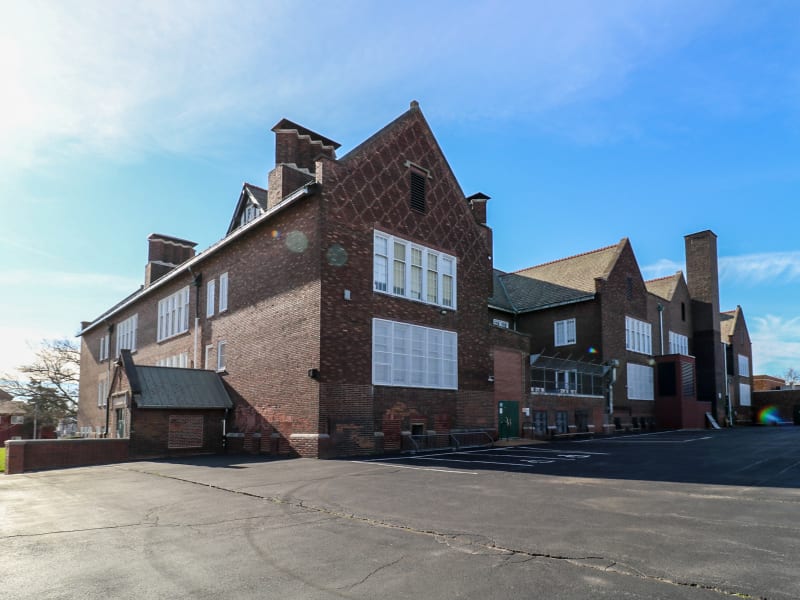
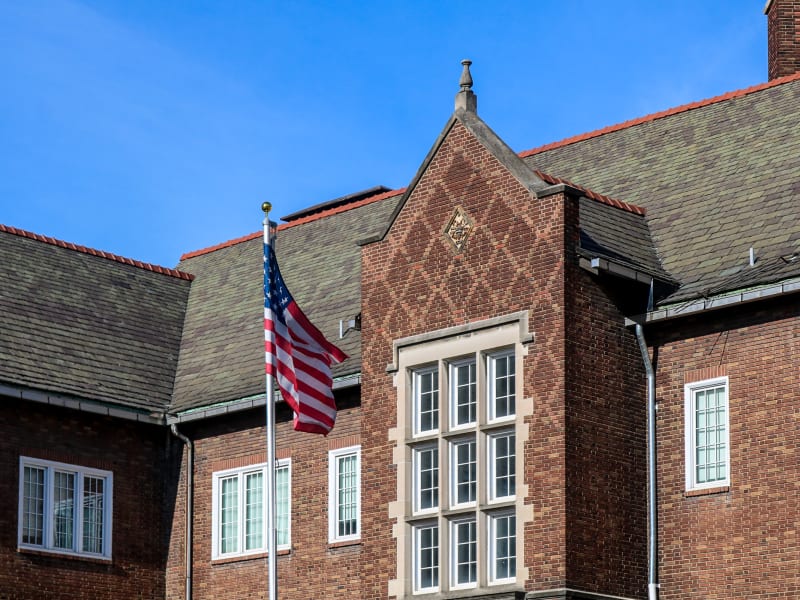
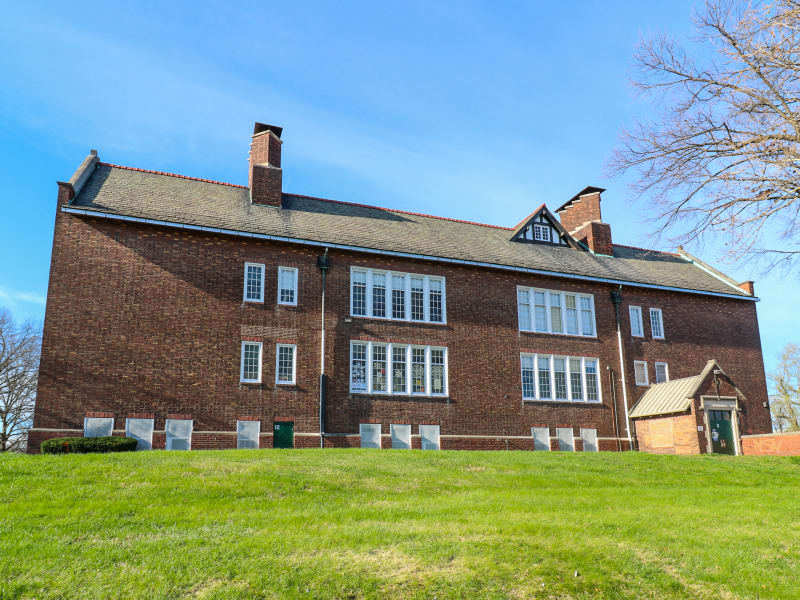
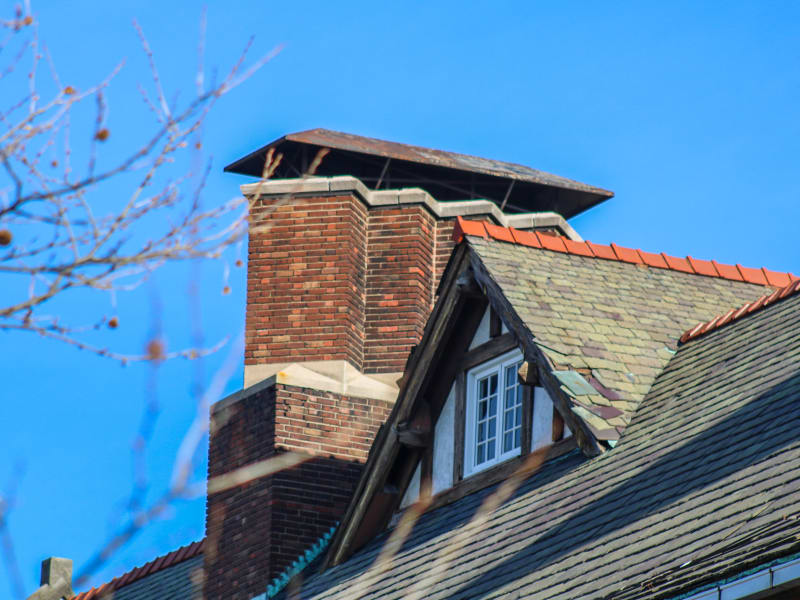
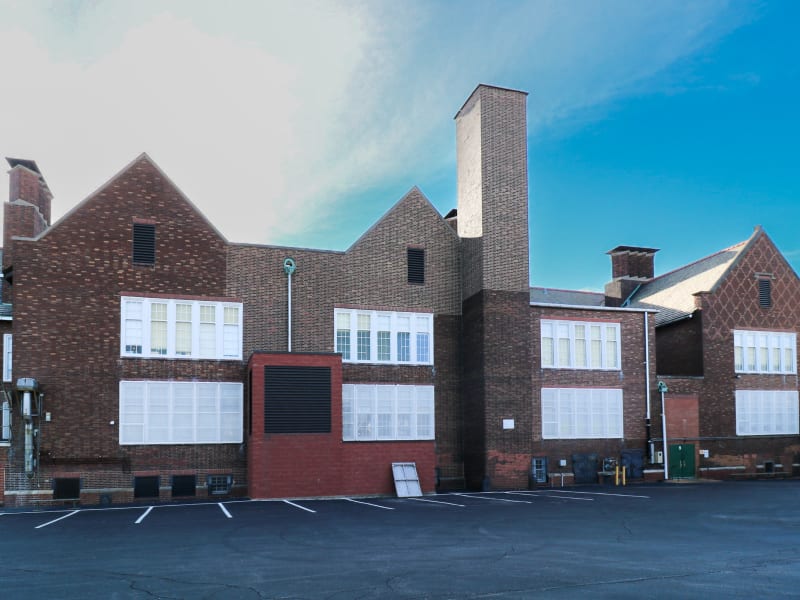
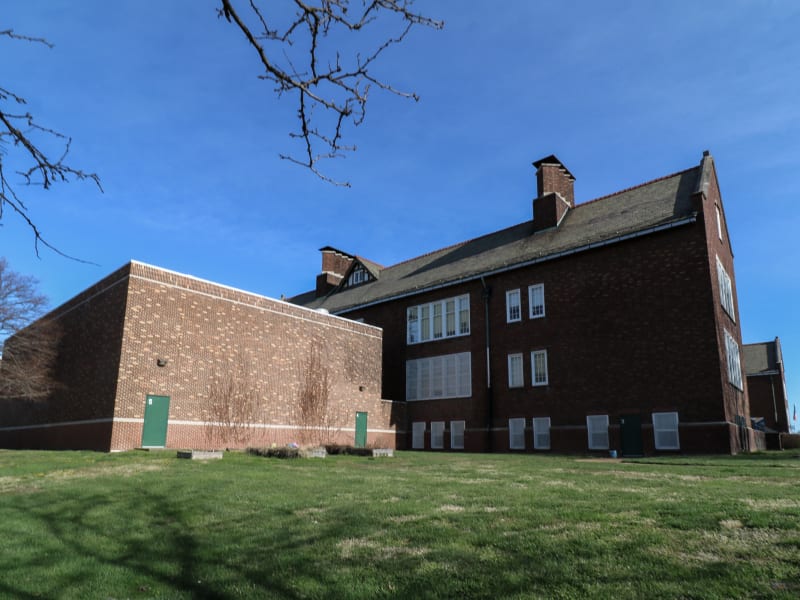
Ashland School is a handsome example of William Ittner's influential school designs, featuring his characteristic use of red brick, symmetrical massing, and generous fenestration that floods classrooms with natural light. The building showcases Ittner's progressive approach to educational architecture, with decorative terra cotta or stone trim accenting the entrance and roofline, lending dignity and civic presence to the neighborhood streetscape.
Ashland School was constructed in 1904 as part of a massive school-building campaign undertaken by the St. Louis Public Schools under the direction of Commissioner of School Buildings William B. Ittner. During this period, Ittner designed dozens of schools across the city to address overcrowding and replace outdated facilities, and Ashland School represented his progressive approach to educational architecture. The school served the working-class families of the surrounding neighborhood, which was experiencing significant population growth in the early twentieth century. Throughout the twentieth century, Ashland School operated as a neighborhood elementary school, educating generations of St. Louis children. Like many urban schools, it experienced demographic shifts as the city's population changed, particularly during the mid-century decades when many residents moved to the suburbs. The school continued to serve its community through these transitions, remaining an anchor institution in the neighborhood. The building still stands today at 3921 N. Newstead Avenue, though its current use and condition reflect the broader challenges facing historic school buildings in St. Louis. Many of Ittner's schools have been repurposed for apartments, community centers, or other uses, while others remain in educational service or sit vacant awaiting redevelopment.