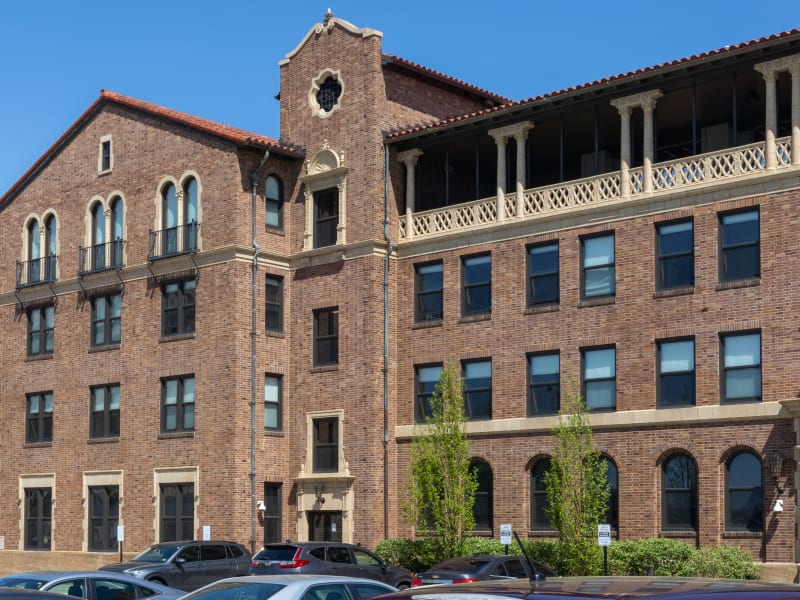
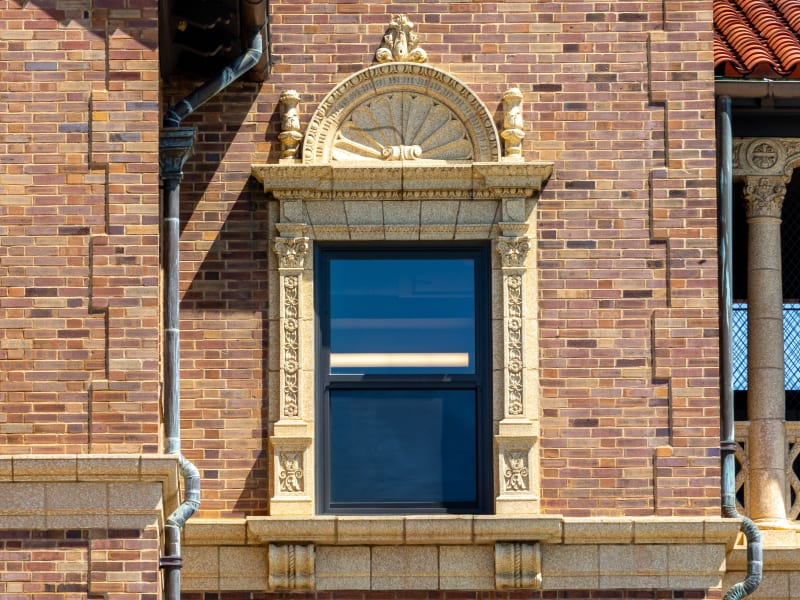
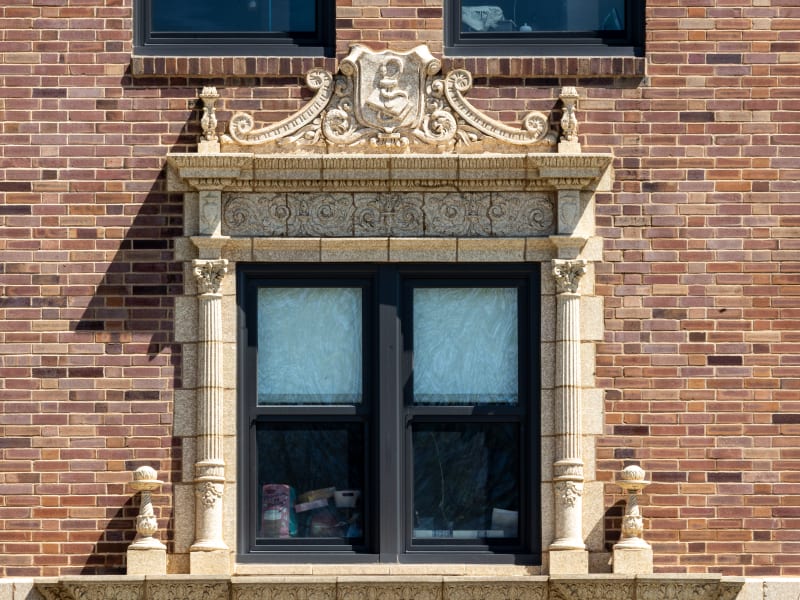
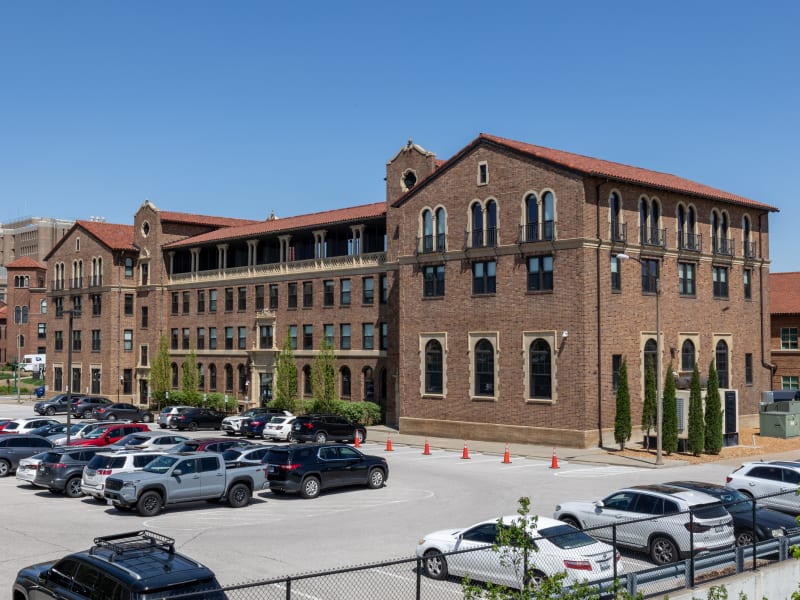
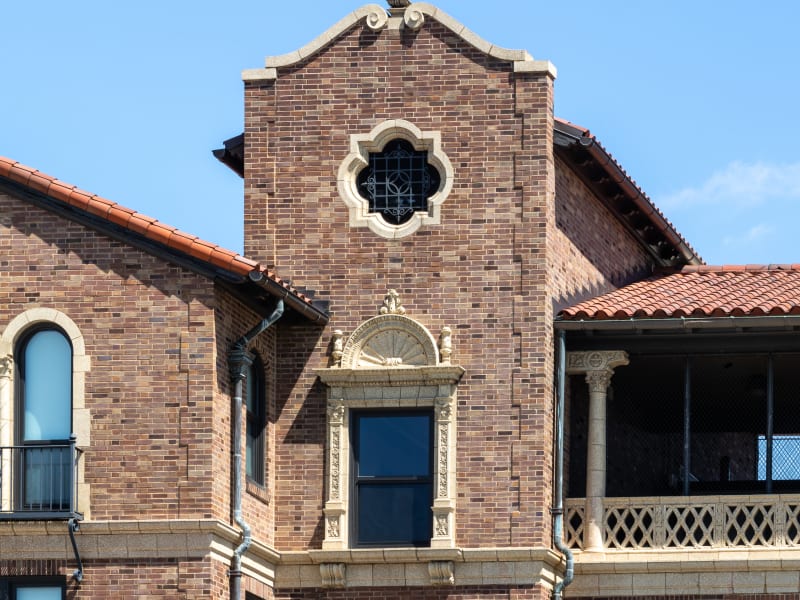
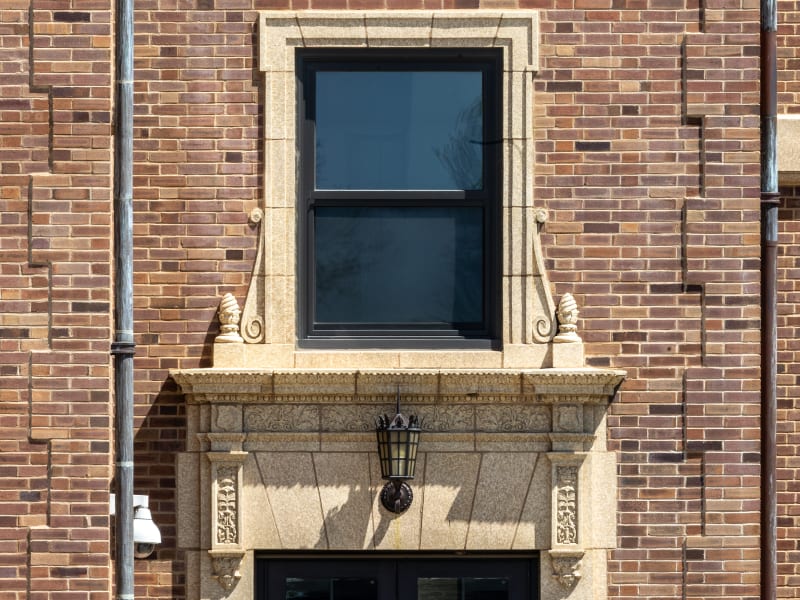
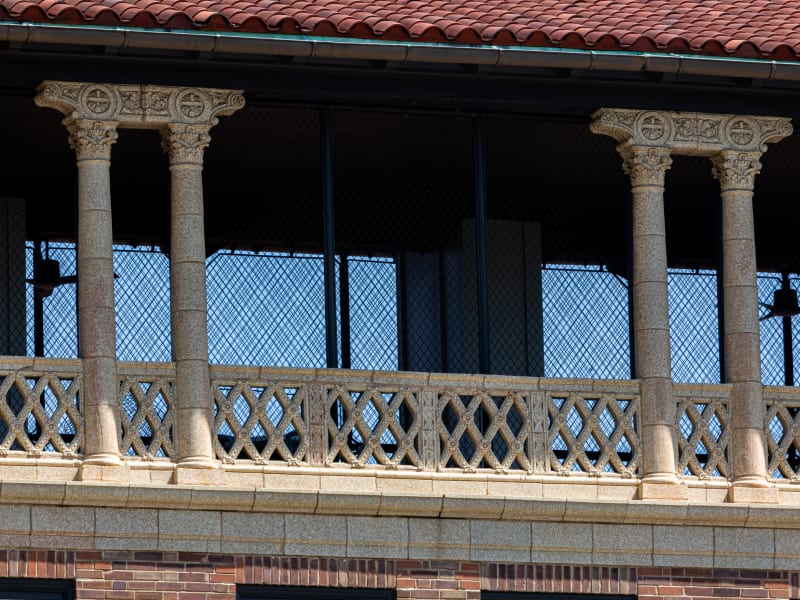
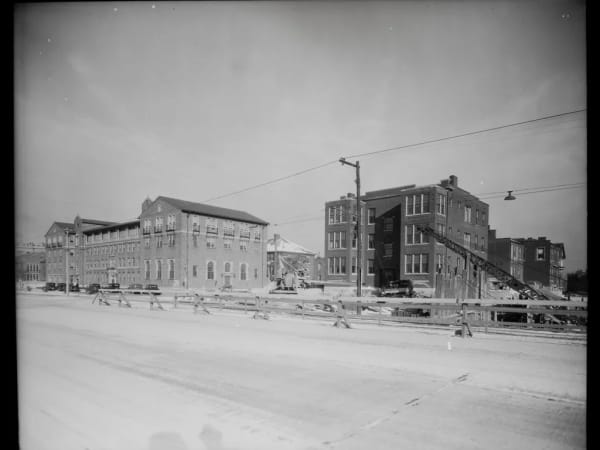
The Central Institute for the Deaf building is a four-story Revival-style structure designed by William B. Ittner in 1927, clad in variegated buff face brick with rich terra cotta detailing and a red clay Spanish tile roof. Its symmetrical façade centers on an ornamented entrance bay framed by fluted terra cotta columns, with wrought iron balconies at the arched windows and a top-floor exterior atrium set between towers, its paired Corinthian columns carrying a Spanish-tiled entablature. The Mediterranean-inflected design complements the neighboring former Shriners Hospital and reflects Ittner's mastery of institutional architecture.
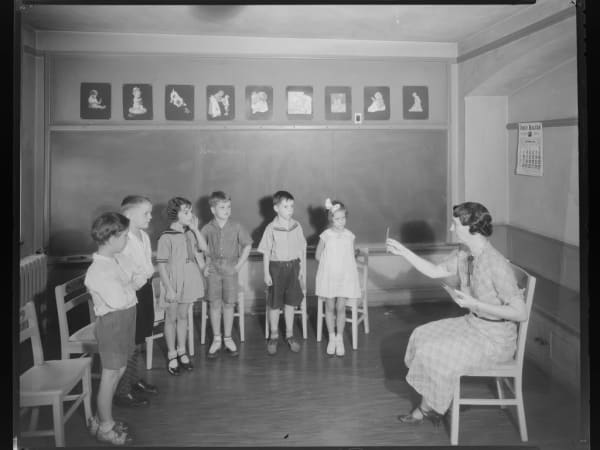
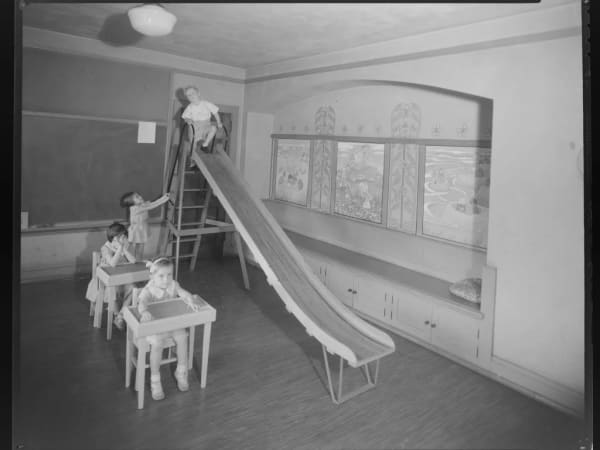
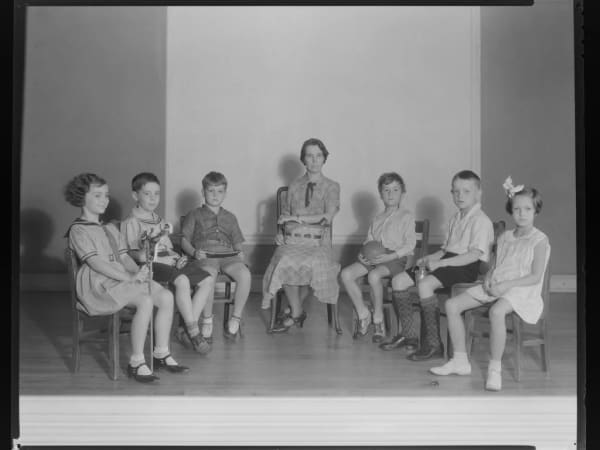
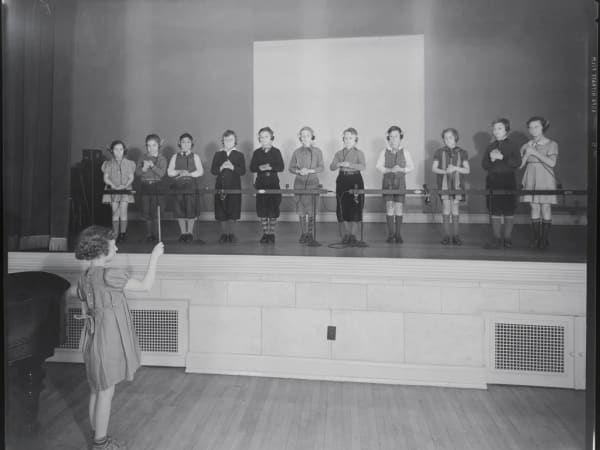
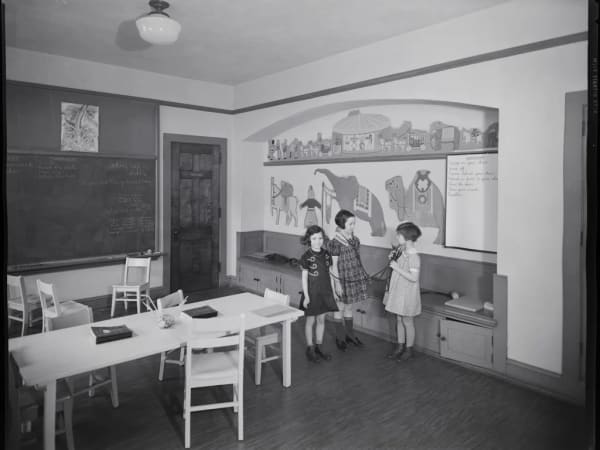
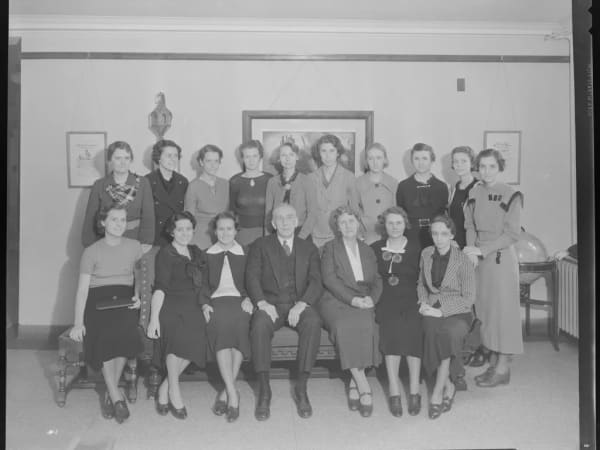
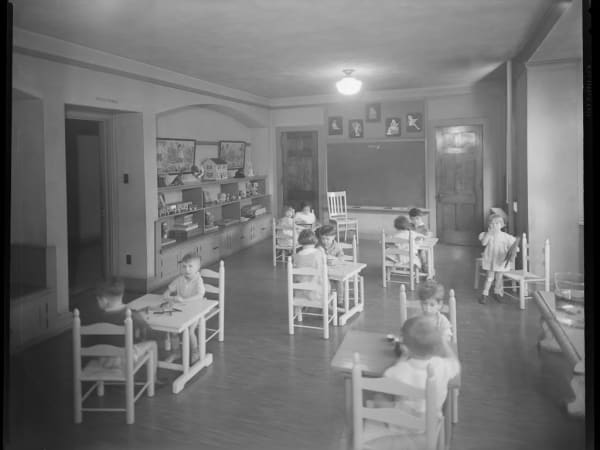
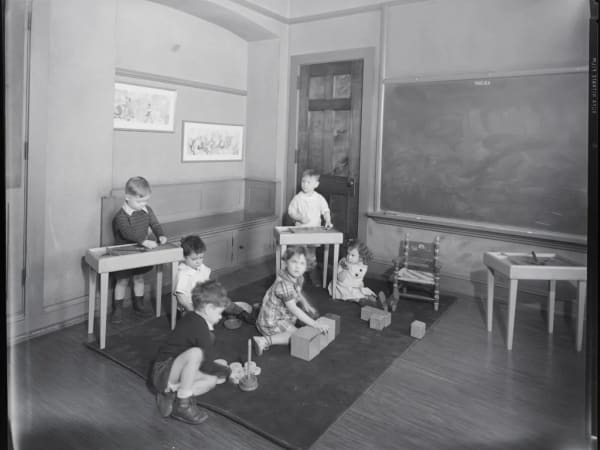
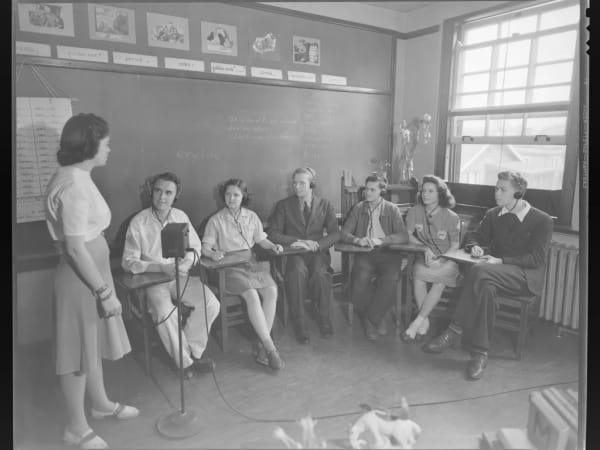
The Central Institute for the Deaf was established in 1914 by Dr. Max Aaron Goldstein, a prominent St. Louis otologist who dedicated his career to helping deaf children learn to communicate through spoken language rather than sign language. With the encouragement of his friend Helen Keller, Goldstein set out to teach deaf children to talk using auditory training methods he had studied in Vienna. The institute's first permanent building, a Georgian-style design by local architect Lawrence Ewald, opened on this site in 1916. By the late 1920s the institute had outgrown its original quarters, and William B. Ittner — St. Louis's most celebrated school architect — designed a new building erected in 1928 (per its cornerstone) and placed in service in 1929, built in front of the 1916 structure, complementing the neighboring Shriners Hospital across the street. The new facility provided classrooms, laboratories, and residential space, and the institute became internationally recognized for its pioneering work in auditory training and speech development. In 1931 its teacher training program affiliated with Washington University, becoming the first deaf education teacher training program in the country offered through a college or university. The original 1916 building was demolished around 2000 when the modern portions of the campus were built. The surviving 1928 Ittner building at 800 South Euclid Avenue was listed on the National Register of Historic Places in 2015 and was later ceded to Washington University, which converted it to housing for medical students. CID continues its educational mission from its campus at 825 South Taylor Avenue in the Central West End, a testament to both Dr. Goldstein's vision and Ittner's architectural legacy.