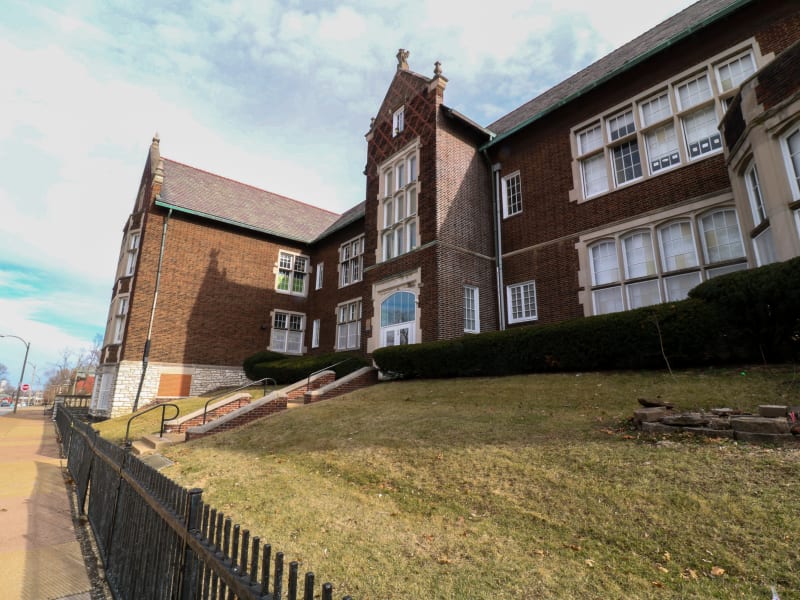
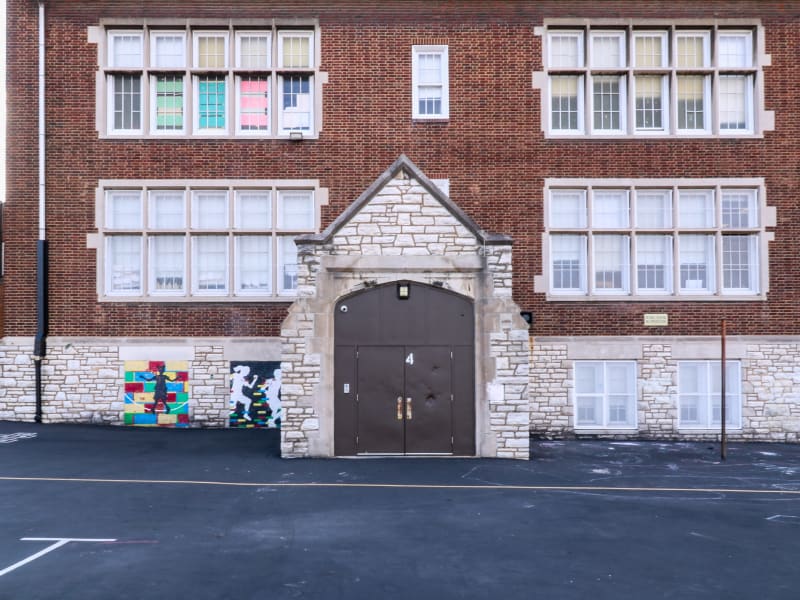
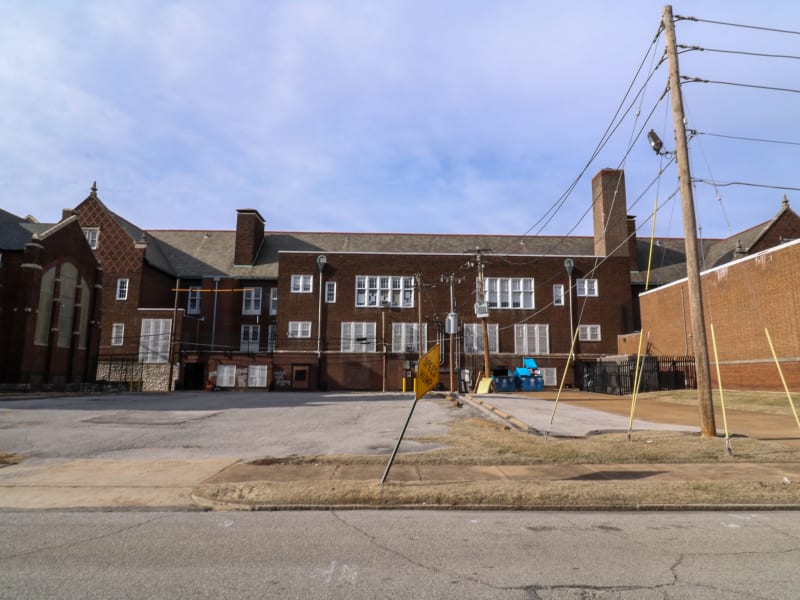
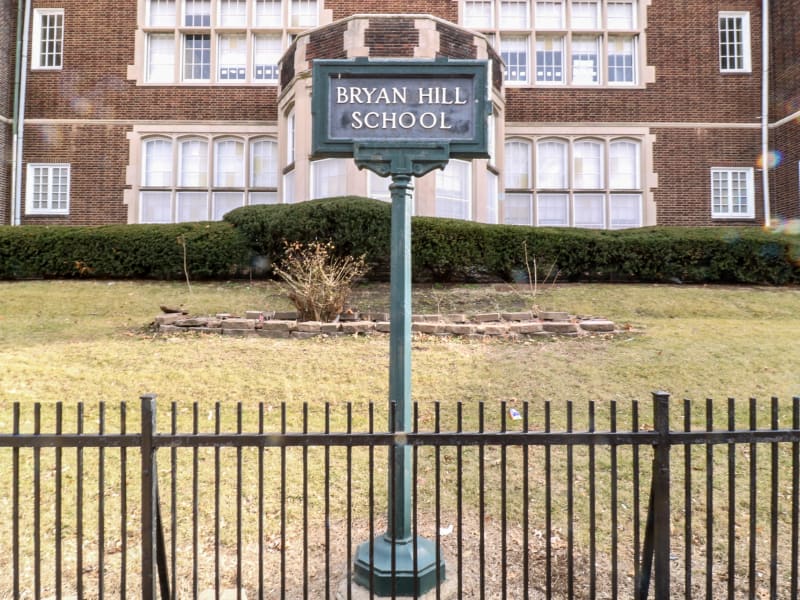
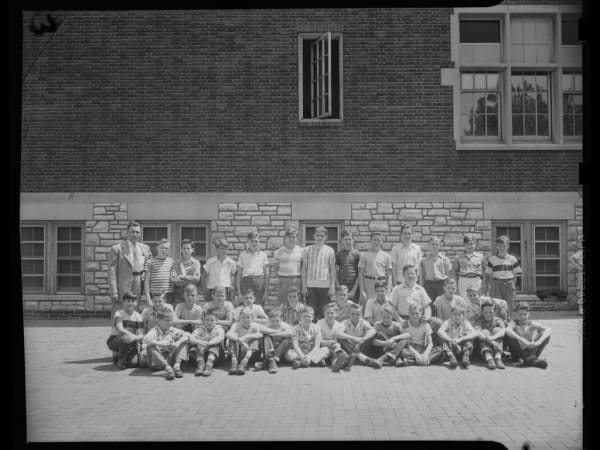
Bryan Hill School is a two-story red brick building reflecting the utilitarian school architecture common in early twentieth-century St. Louis, featuring a rectangular form with symmetrical window arrangements and simple classical detailing. The structure displays characteristic elements of the period including a raised basement level, limestone trim, and a straightforward, functional design typical of neighborhood public schools.
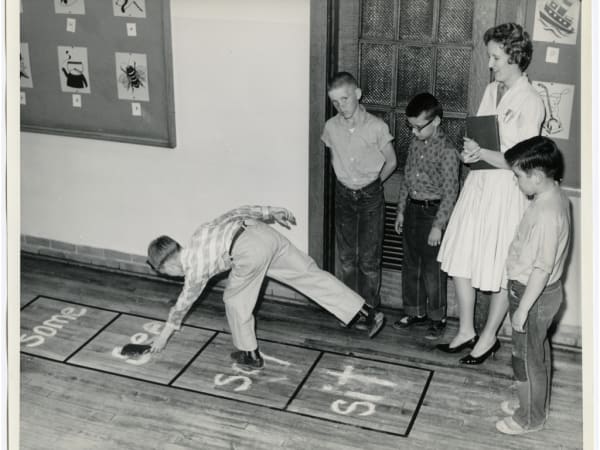
Bryan Hill School opened in 1911 to serve the educational needs of students in the surrounding St. Louis community. The school was part of the St. Louis Public Schools system during a period of significant expansion, as the city's population growth demanded new facilities throughout its neighborhoods. Like many schools built during this era, Bryan Hill was constructed to provide accessible public education to the children of working-class families in its district. Throughout the twentieth century, Bryan Hill School served generations of St. Louis students, adapting to the demographic and social changes that transformed the city's neighborhoods. The school witnessed the shifts in population that affected many St. Louis communities during the mid-century decades, including the effects of white flight and urban disinvestment that reshaped enrollment patterns across the district. The building remains standing today at 2128 Gano Avenue. Further research into school board records and local archives would help illuminate the specific circumstances of its construction, the educators and students who passed through its doors, and any changes in its use over time.