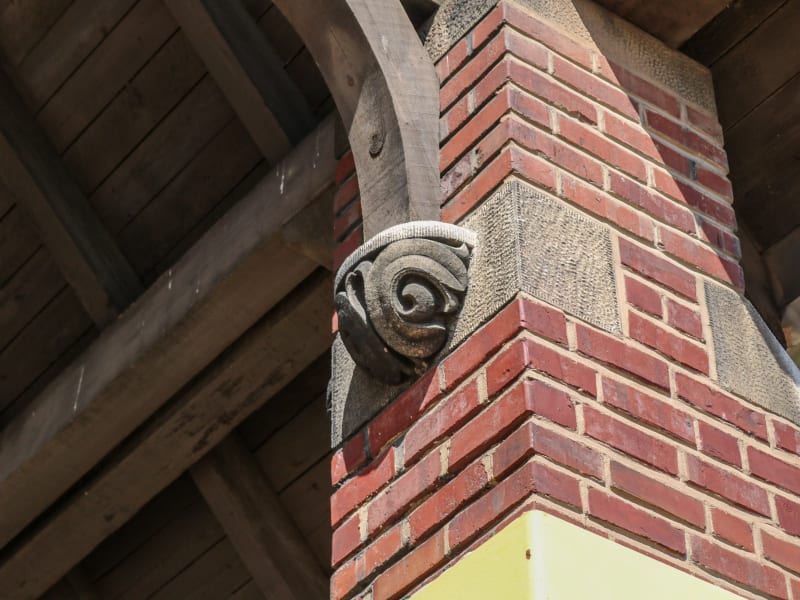
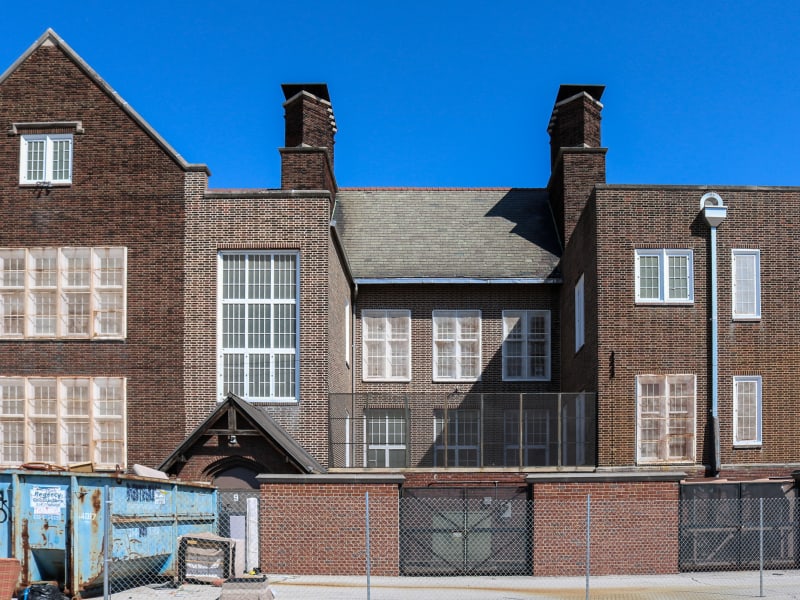
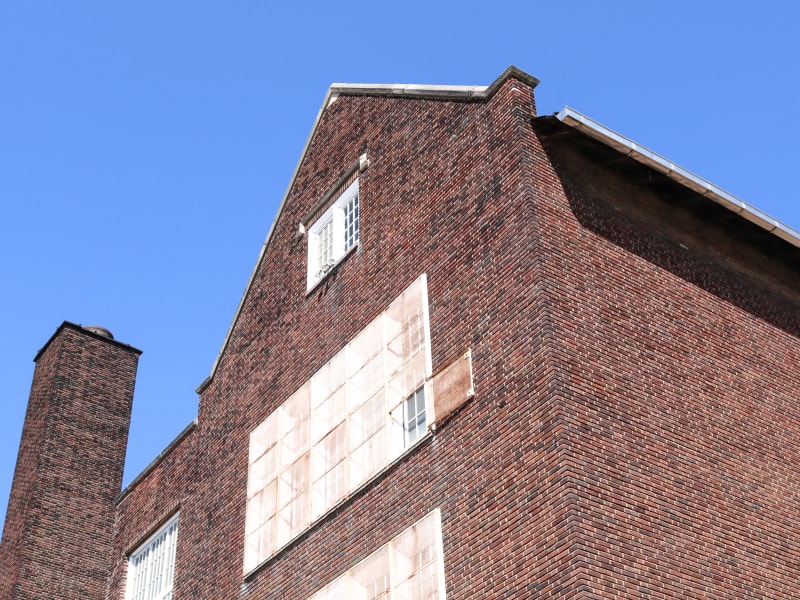
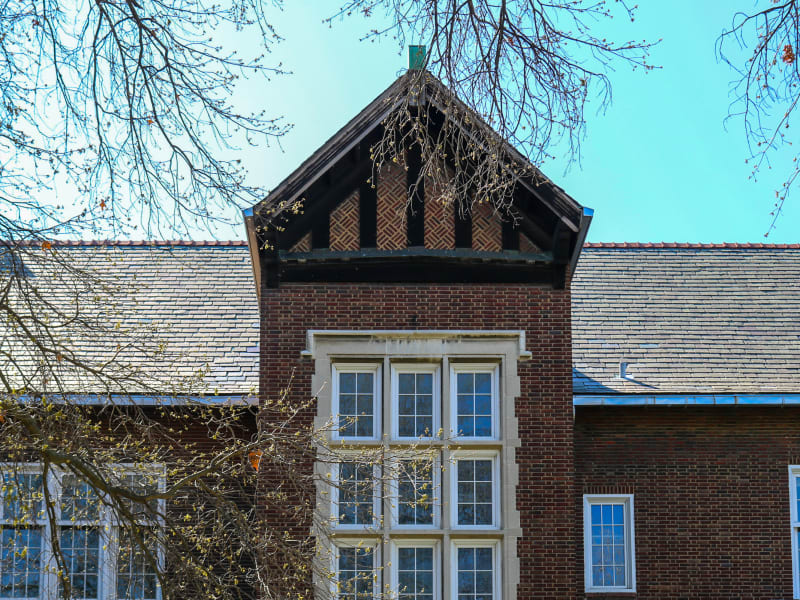
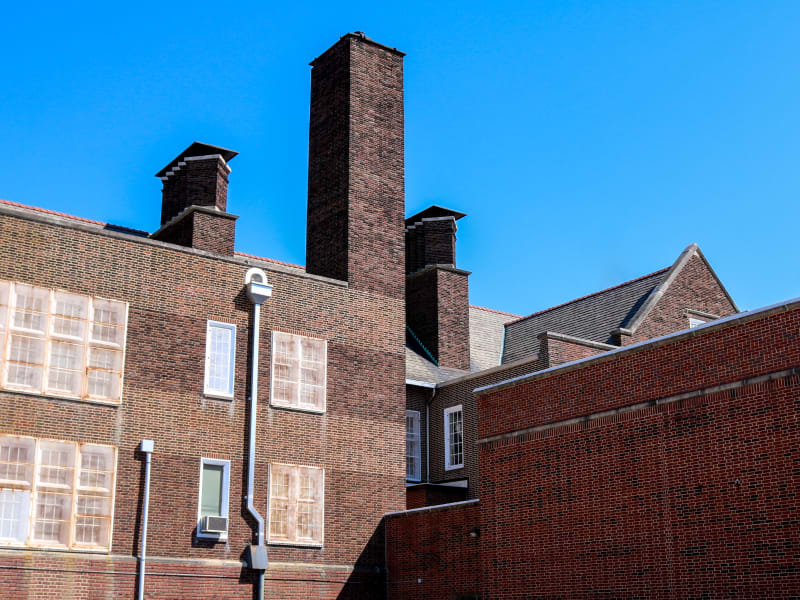
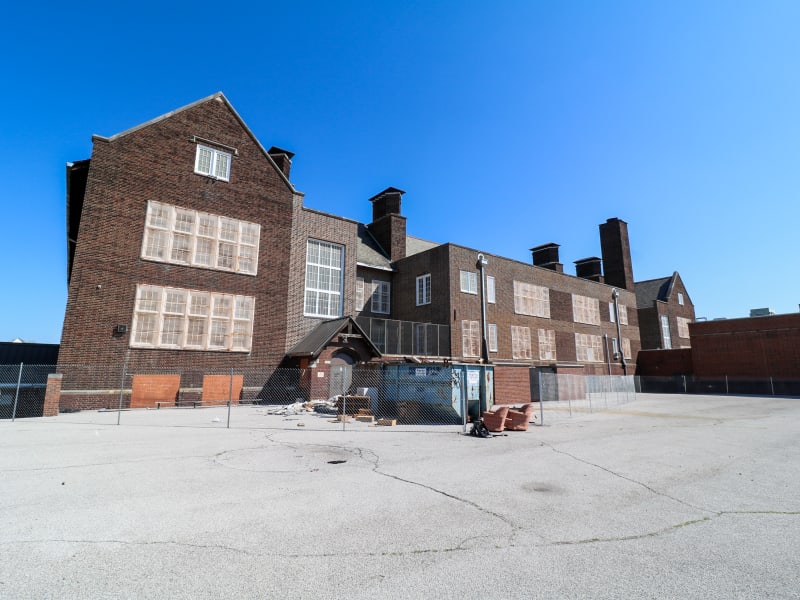
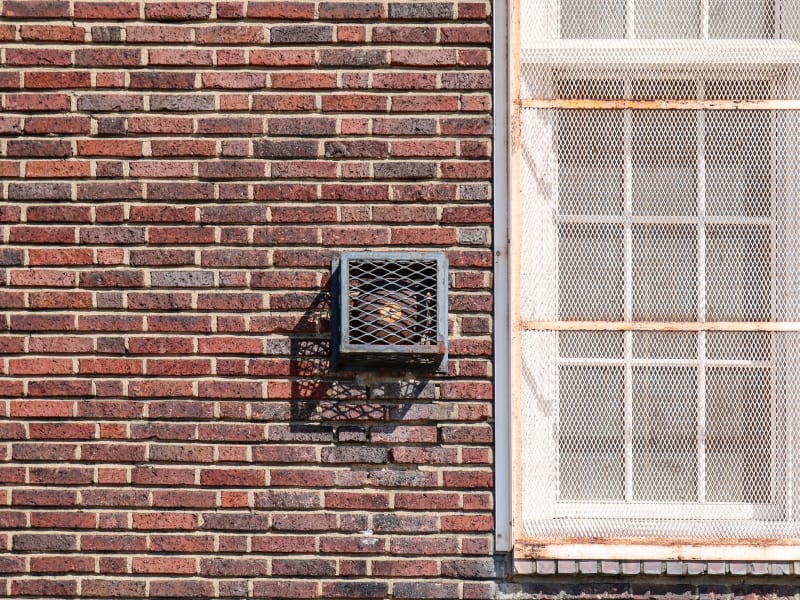
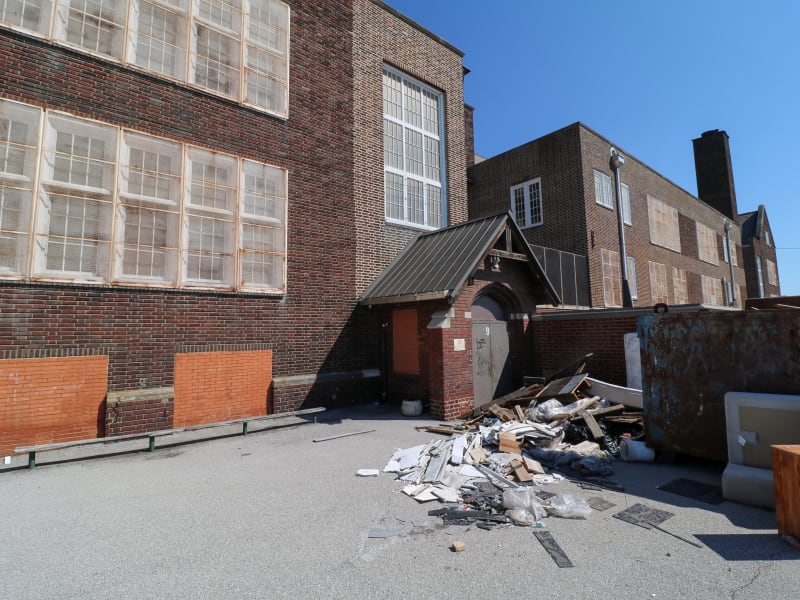
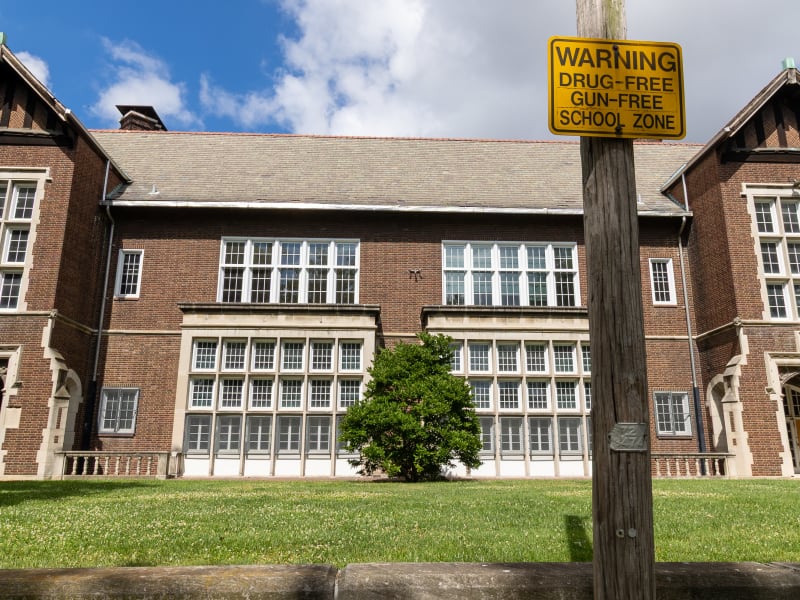
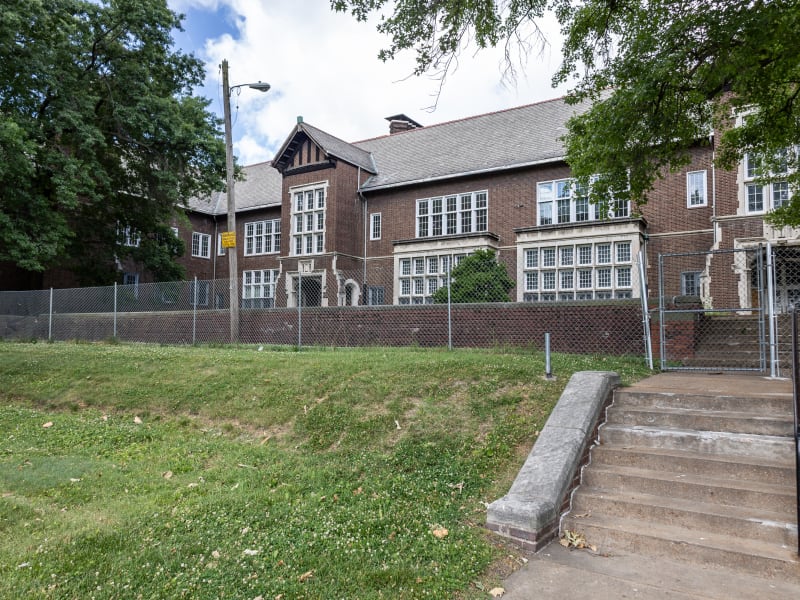
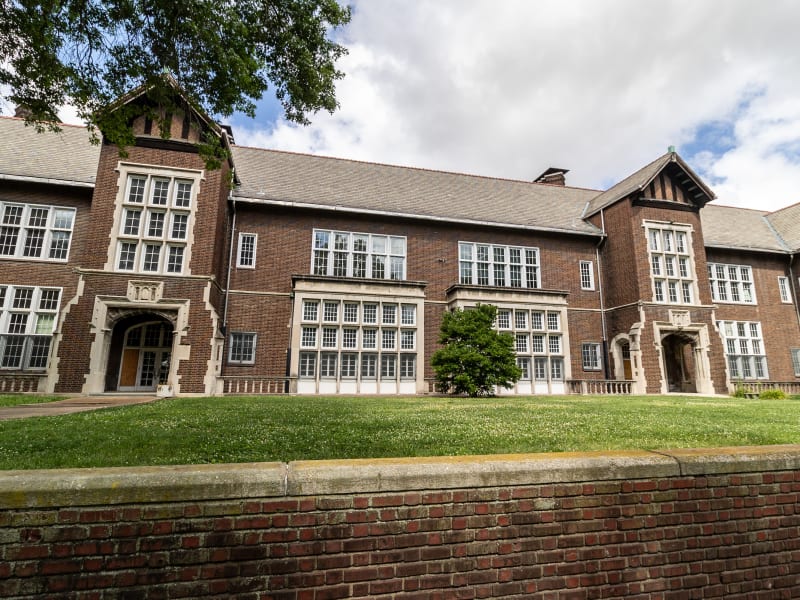
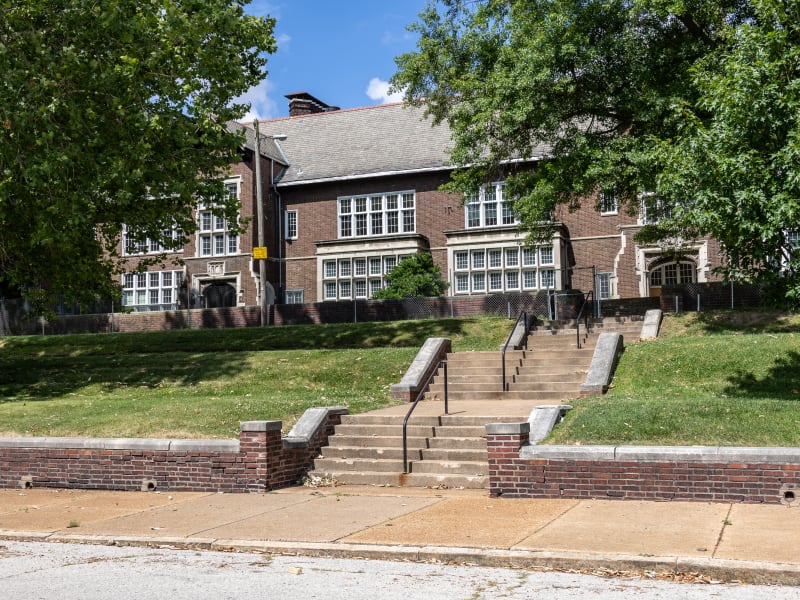
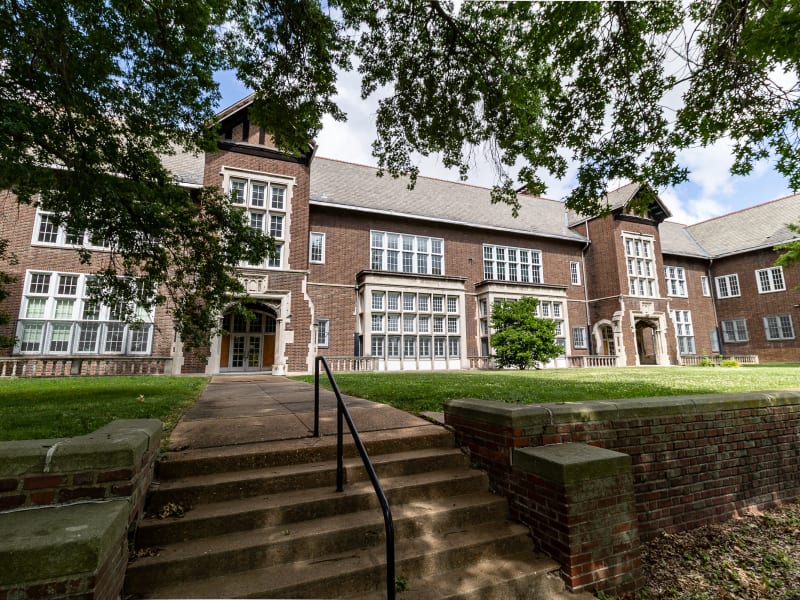
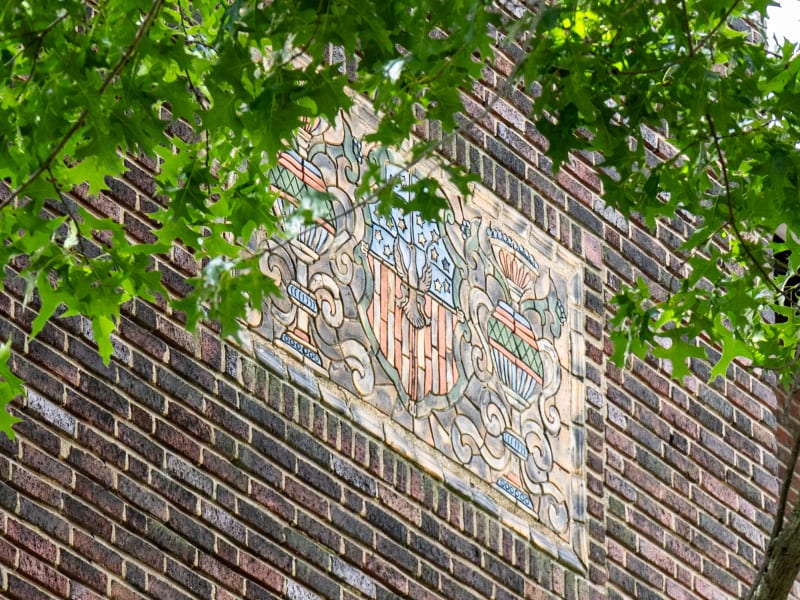
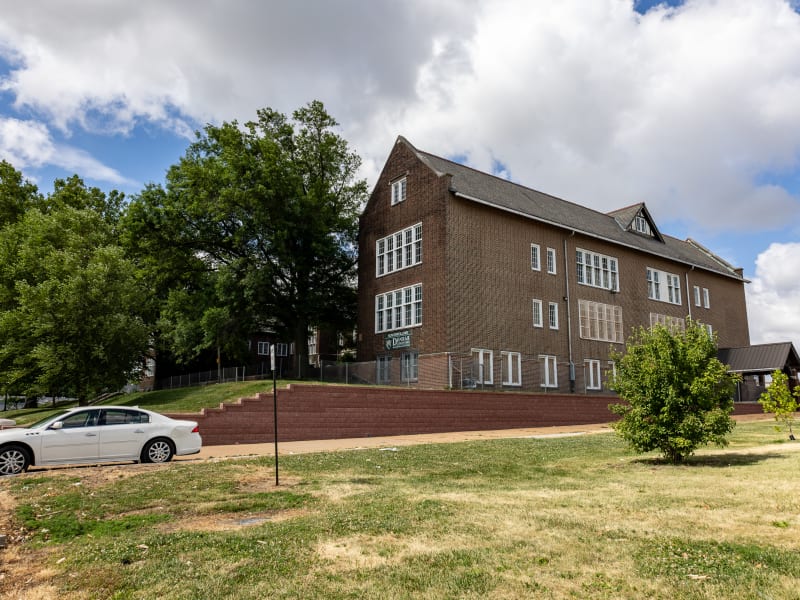
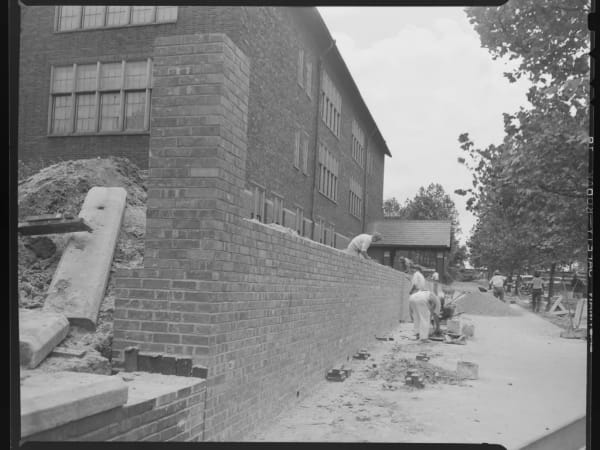
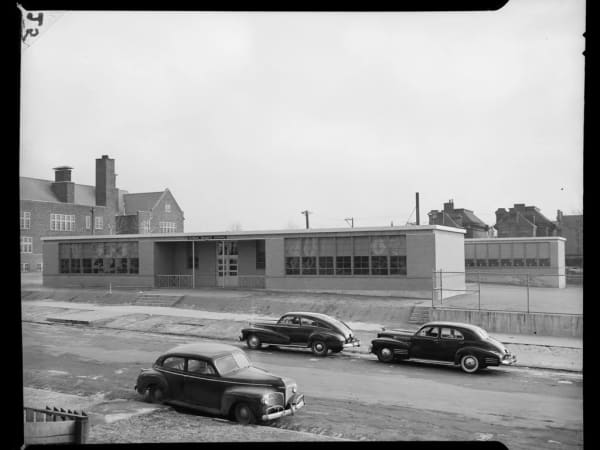
The Dunbar School exemplifies William B. Ittner's signature approach to Progressive-era school design, featuring a two-story red brick structure with symmetrical massing and generous banks of large windows designed to maximize natural light and ventilation in classrooms. The building displays characteristic Ittner elements including decorative brickwork, a defined central entrance pavilion, and the practical yet dignified aesthetic that made his schools both functional learning environments and neighborhood landmarks.
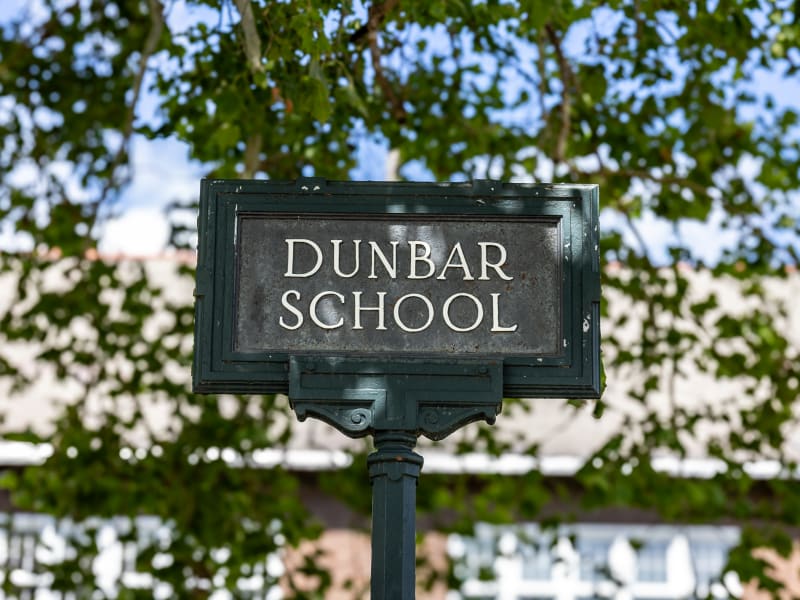
Dunbar School opened in 1912 in the Jeff-Vander-Lou neighborhood, designed by William B. Ittner during his transformative tenure as Commissioner of School Buildings for the St. Louis Public Schools. The school was named in honor of Paul Laurence Dunbar, the celebrated African American poet who had died just six years earlier in 1906. Dunbar was among the first American poets of African descent to gain national and international acclaim, making him a fitting namesake for a school that would serve the city's Black community during the era of segregation. Throughout the early and mid-twentieth century, Dunbar School served as an important educational institution for African American children in north St. Louis. Like many schools in predominantly Black neighborhoods, Dunbar operated within the constraints of a segregated school system while simultaneously serving as a vital community anchor. The school provided not only education but also a gathering place for neighborhood activities and civic engagement during a period when such spaces were limited for Black residents. The latter half of the twentieth century brought significant challenges to the Jeff-Vander-Lou neighborhood, including population decline, disinvestment, and urban renewal projects that dramatically altered the surrounding area. Despite these pressures, the Dunbar School building has remained standing. The structure survives today as a physical reminder of the neighborhood's educational history and the legacy of William B. Ittner's prolific school-building program that shaped St. Louis public education for generations.