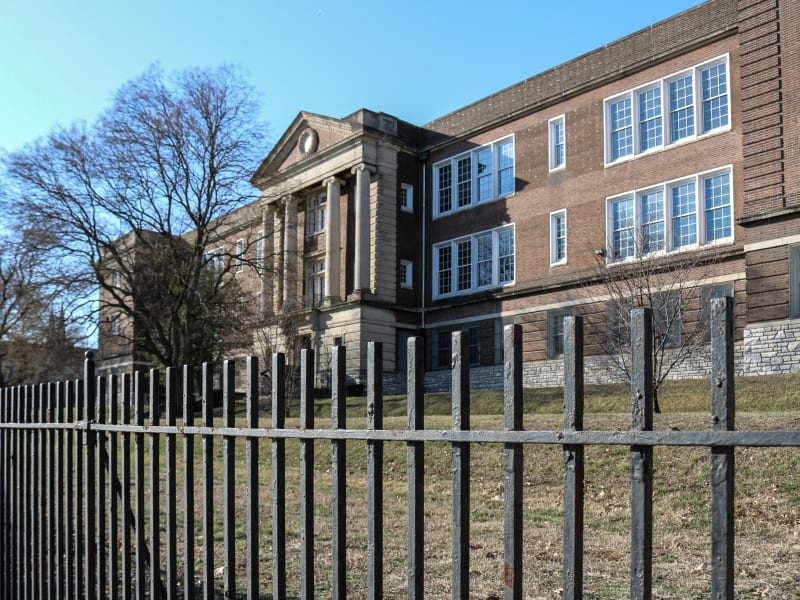
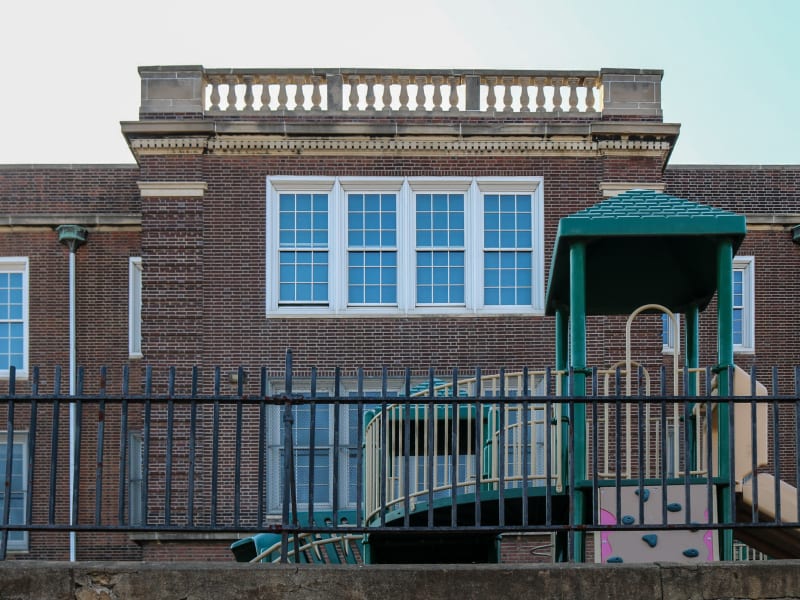
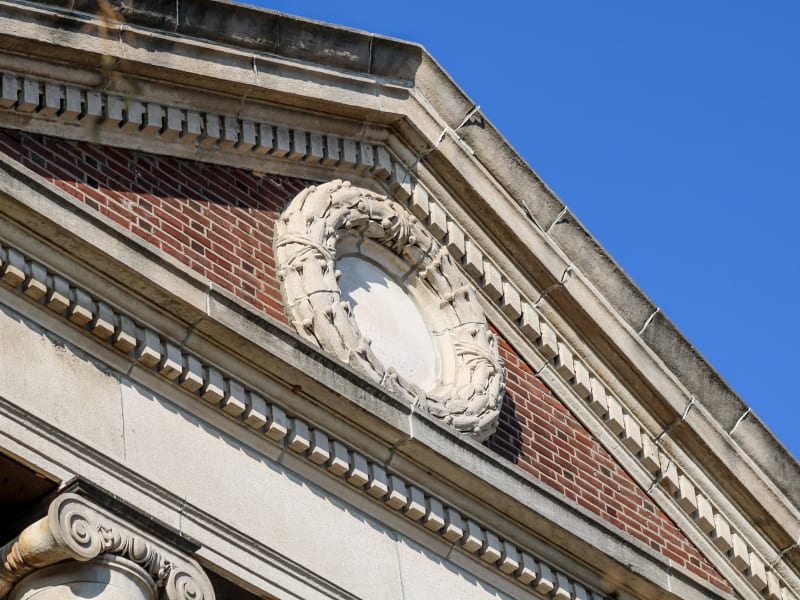
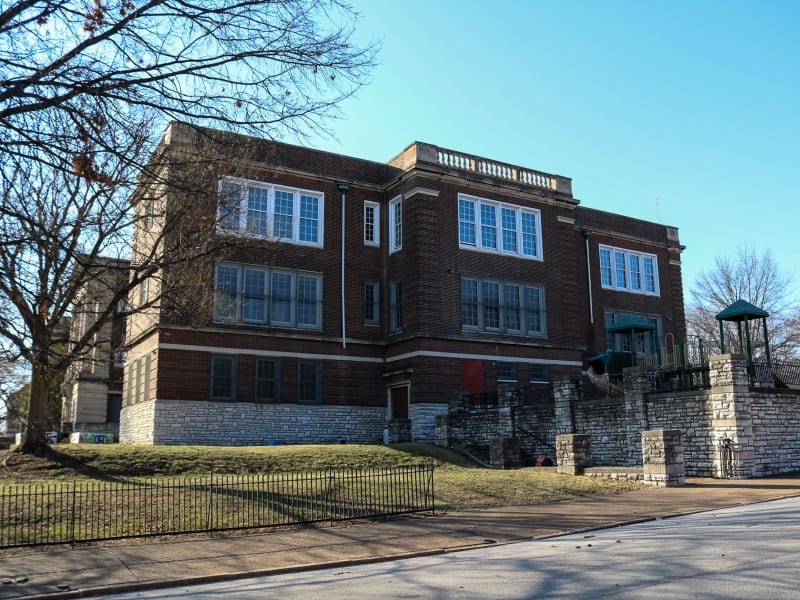
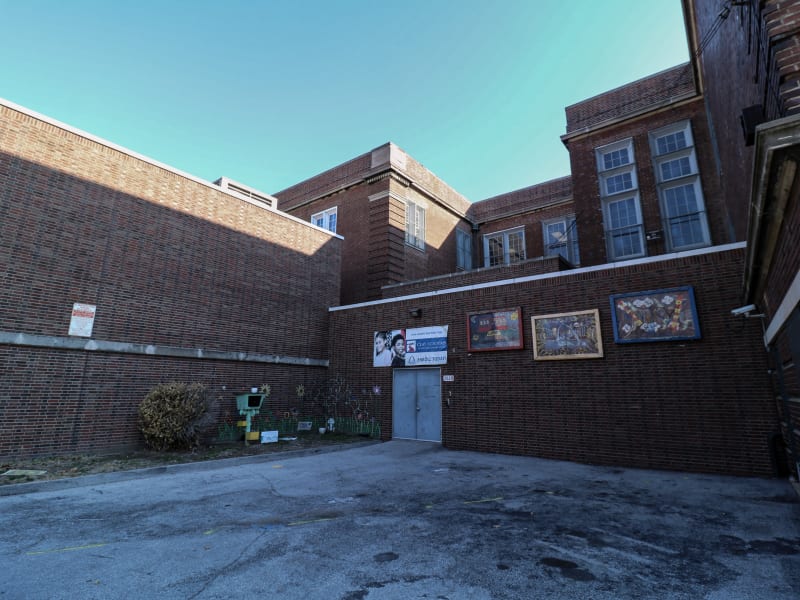
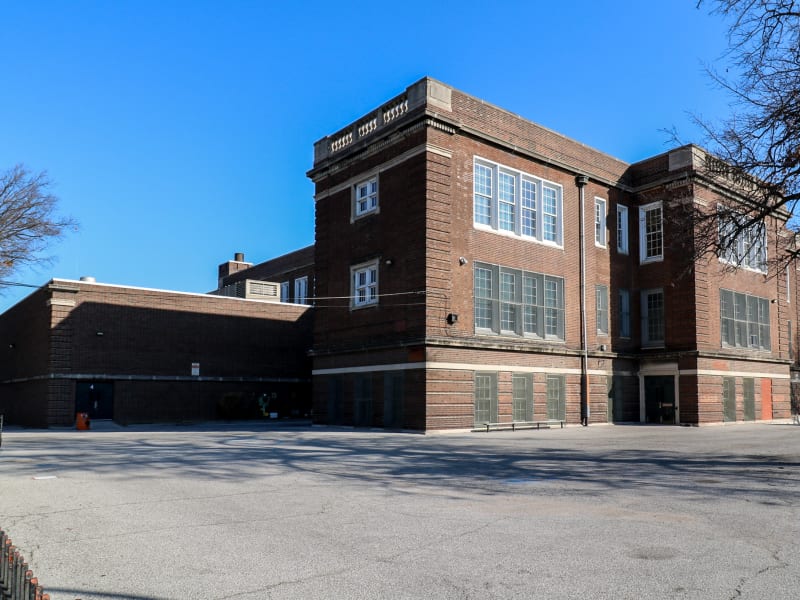
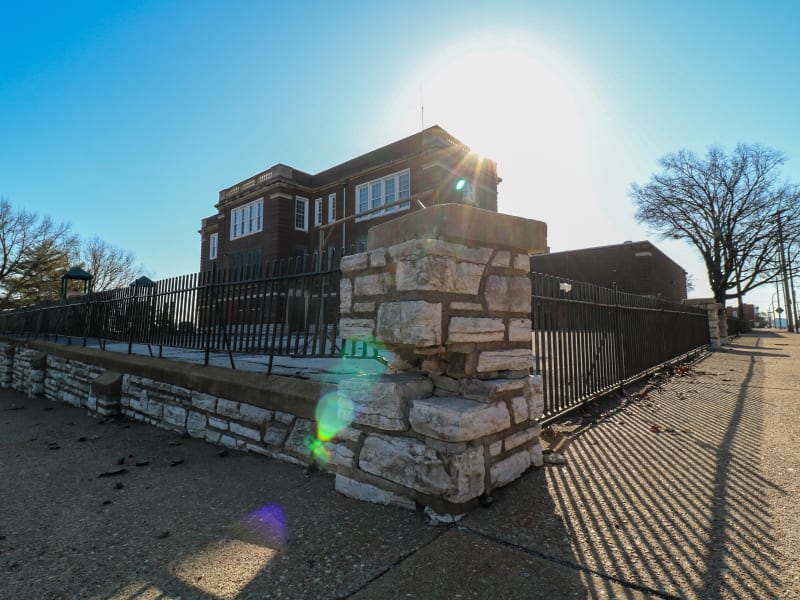
Clay School is a handsome red brick building designed in William B. Ittner's signature style, featuring his characteristic E-shaped or H-shaped plan that maximized natural light and ventilation in classrooms. The structure displays refined Classical Revival detailing with symmetrical façades, decorative brickwork, and large grouped windows that reflect Ittner's revolutionary approach to progressive school design.
Clay School was constructed in 1905 as part of the extensive school building campaign led by William B. Ittner during his tenure as Commissioner of School Buildings for the St. Louis Public Schools. The school was named in honor of Henry Clay, the renowned Kentucky statesman and orator who served as Speaker of the House and Secretary of State in the early nineteenth century. Located in the Hyde Park neighborhood, the school was built to serve the educational needs of a community that was experiencing significant growth during the early twentieth century. Throughout the early and mid-twentieth century, Clay School served generations of Hyde Park students as the neighborhood evolved. Like many north St. Louis schools, Clay School witnessed the demographic transitions that reshaped the area over the decades, continuing to function as an important community institution even as population patterns shifted. The school remained part of the St. Louis Public Schools system for much of the twentieth century. Today, Clay School still stands at 3820 North 14th Street, though like numerous historic school buildings in north St. Louis, its educational function has changed over the years as the district consolidated facilities in response to declining enrollment. The building remains a testament to the comprehensive school construction program that Ittner oversaw, which produced dozens of neighborhood schools designed to serve as anchors for their surrounding communities.