Delaney School
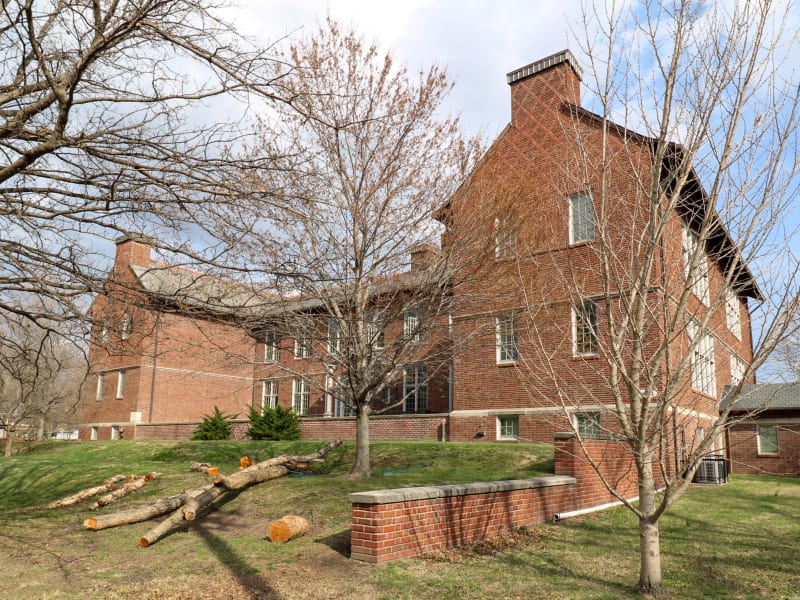
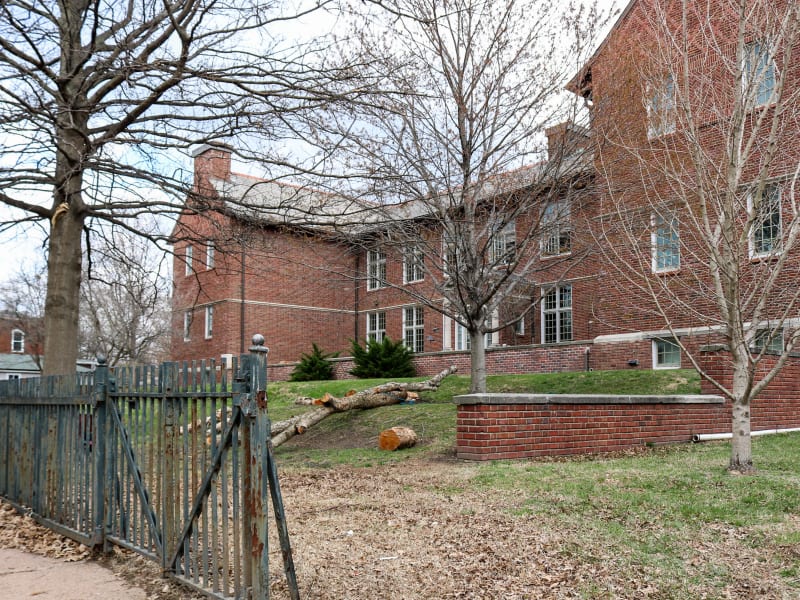
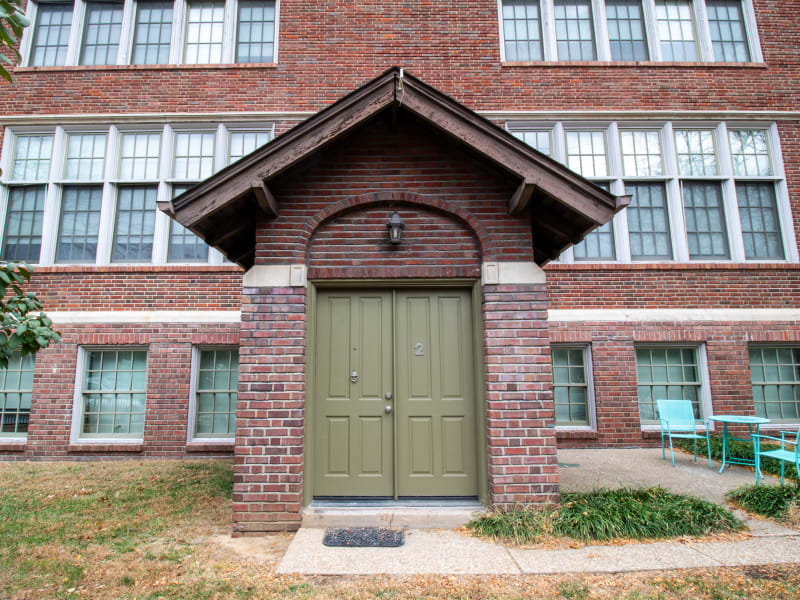
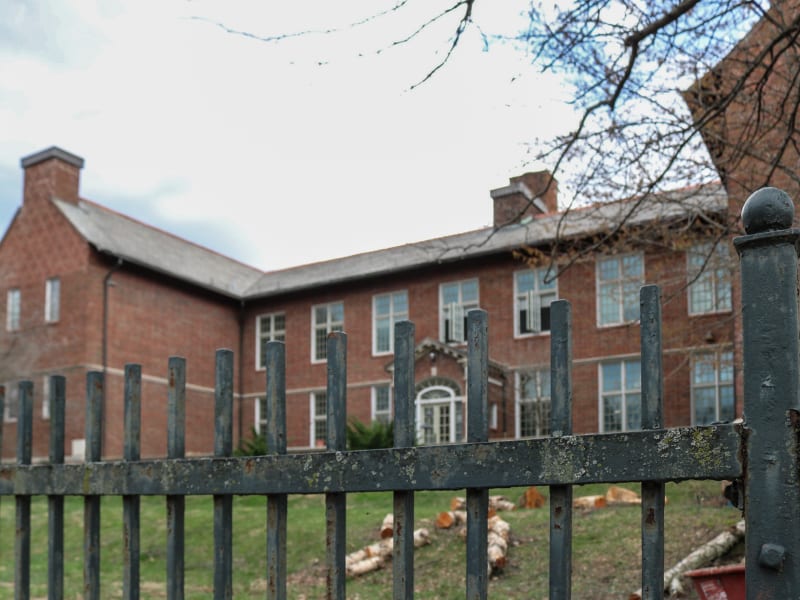
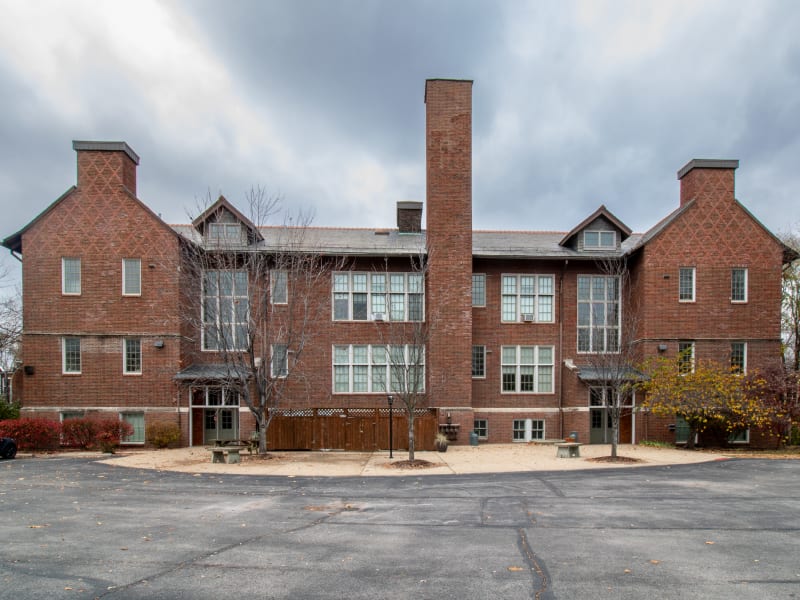
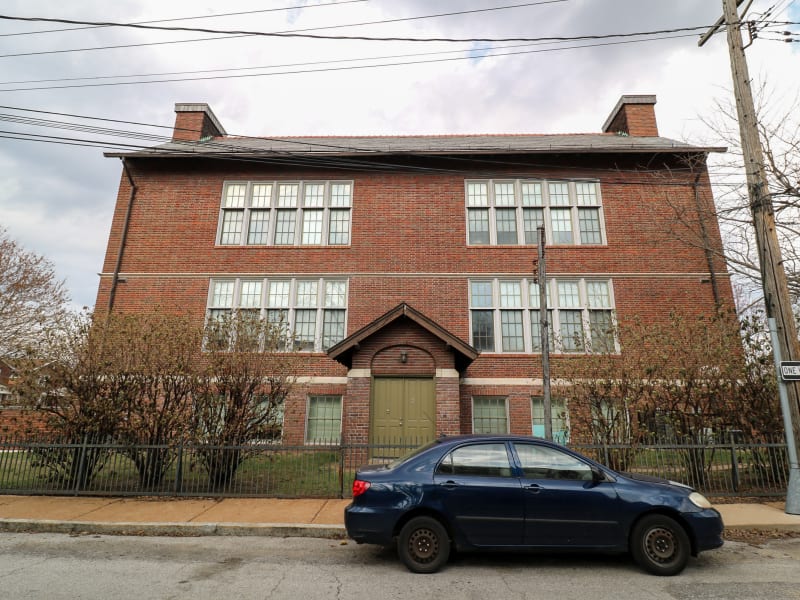
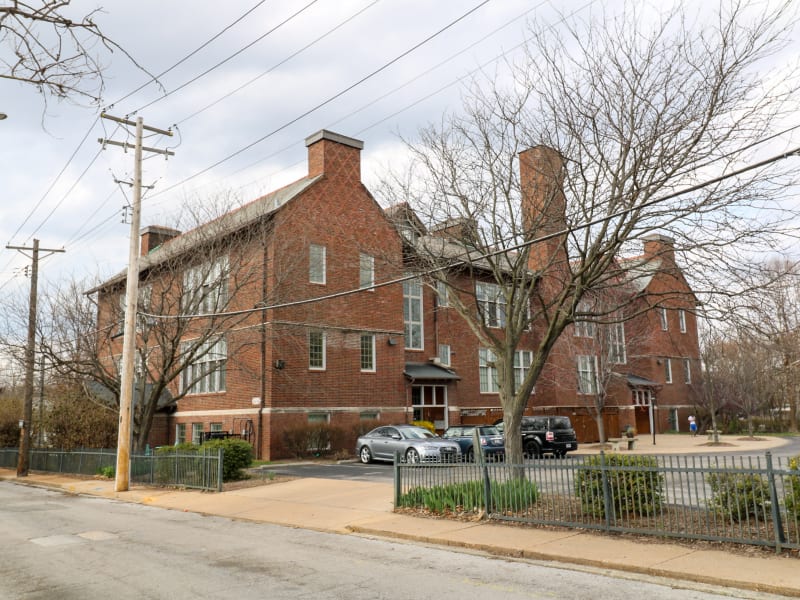
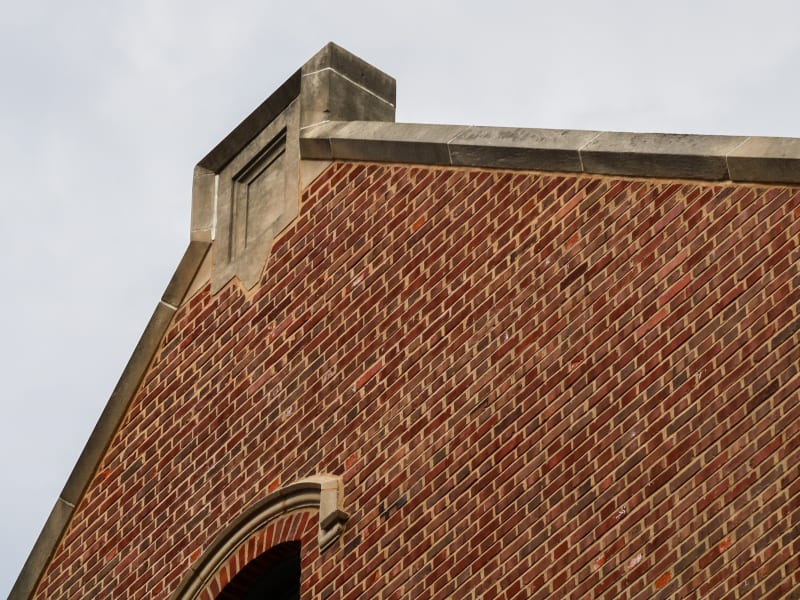
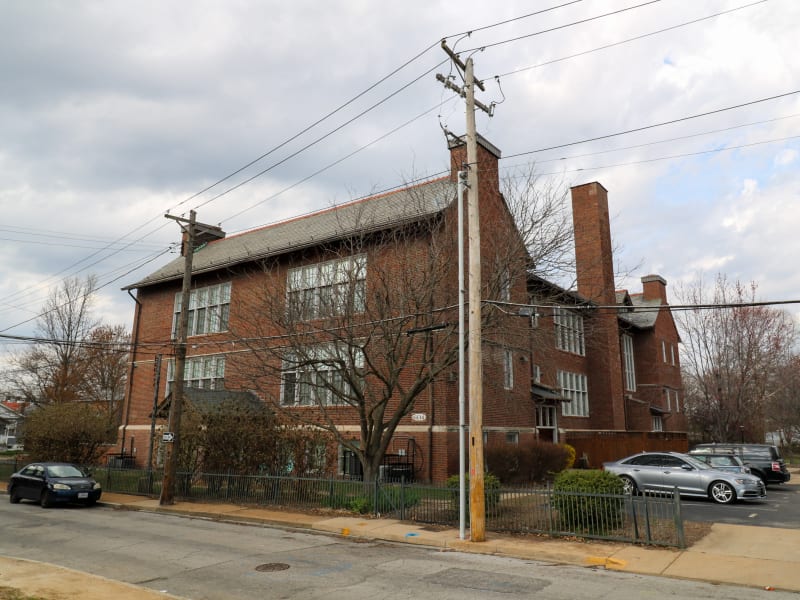
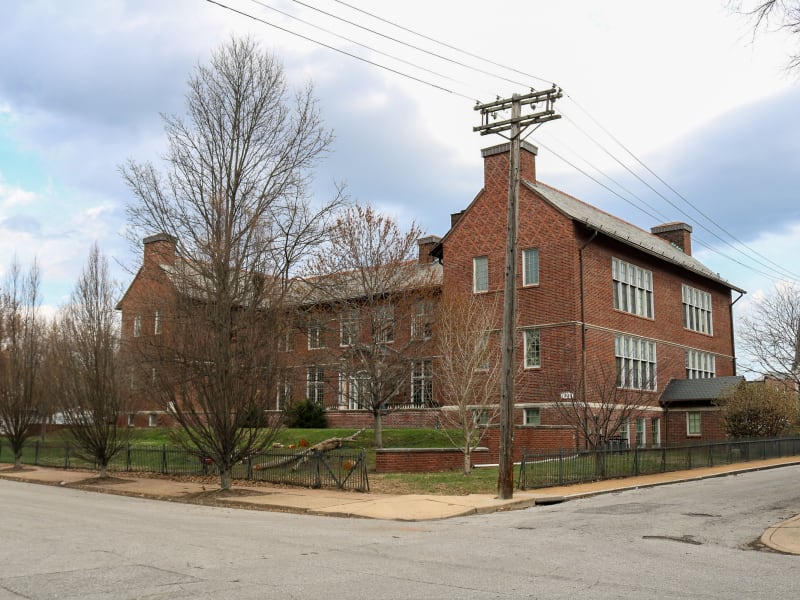
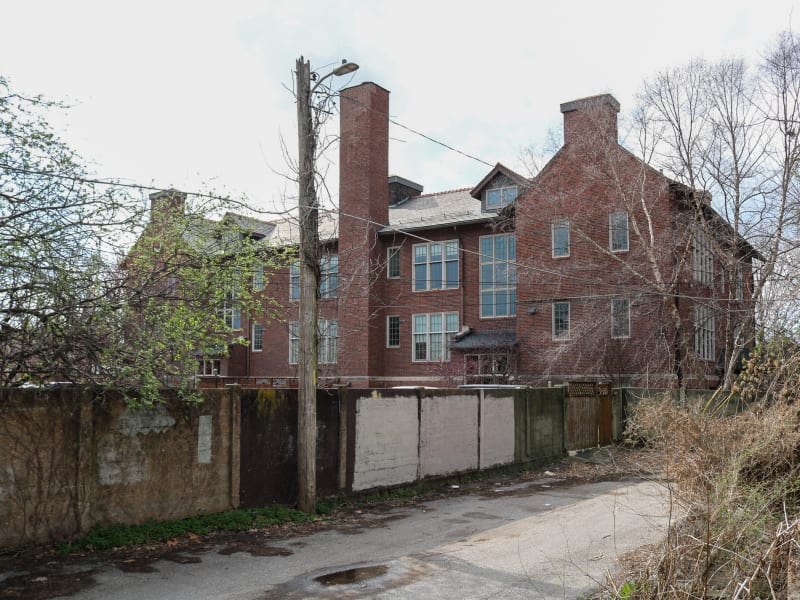
Delaney School is a handsome two-story red brick building exemplifying William B. Ittner's progressive approach to educational architecture, featuring his characteristic open-plan design with large banks of windows to maximize natural light and ventilation in classrooms. The structure displays typical Ittner hallmarks including decorative brickwork, a symmetrical facade with a defined central entrance, and the practical yet dignified aesthetic that made his schools models of early 20th-century educational design.
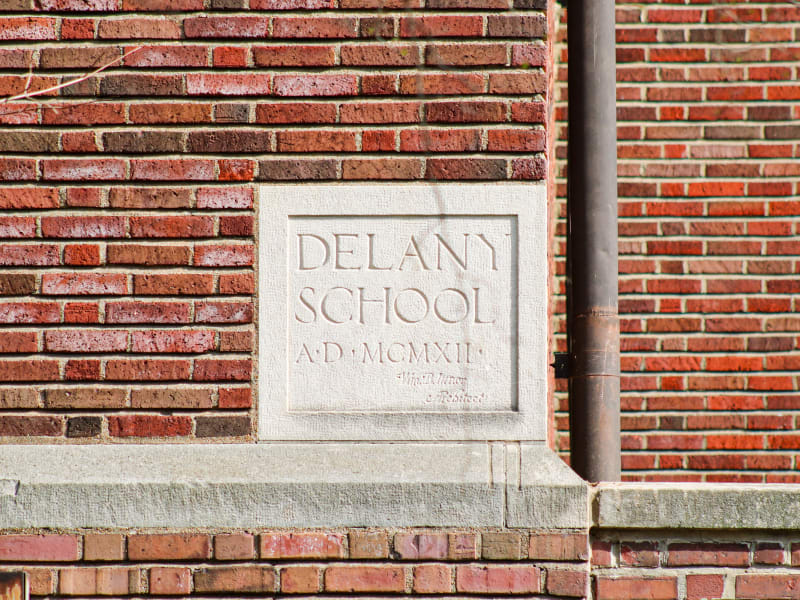
Delaney School opened in 1912 in the Carondelet neighborhood, designed by William B. Ittner, who served as the St. Louis Public Schools' Commissioner of School Buildings. Ittner revolutionized school architecture across the nation, and Delaney was among the dozens of schools he created for the city during his prolific tenure. The school was named in honor of a figure significant to St. Louis education, reflecting the district's practice of commemorating local educators and civic leaders through its school buildings. The school served the children of Carondelet, one of St. Louis's oldest communities with deep roots as an independent French colonial settlement before its annexation to the city in 1870. By the early twentieth century, the neighborhood had developed a strong industrial character, and Delaney School educated generations of working-class families employed in the nearby factories and foundries along the Mississippi River. Like many St. Louis public schools, Delaney likely experienced peak enrollment during the mid-twentieth century before demographic shifts led to declining student populations in the city. The building remains standing today in Carondelet, though its current use and status within the school district would require further verification through contemporary records.