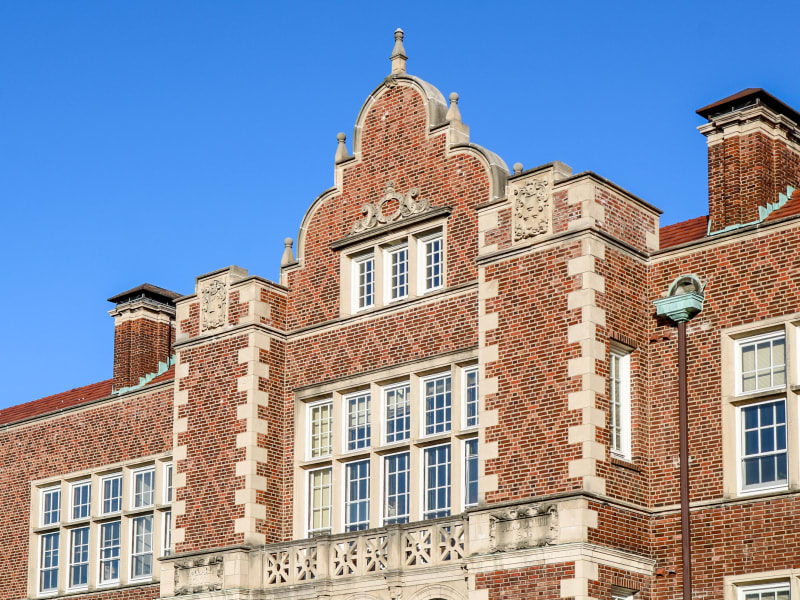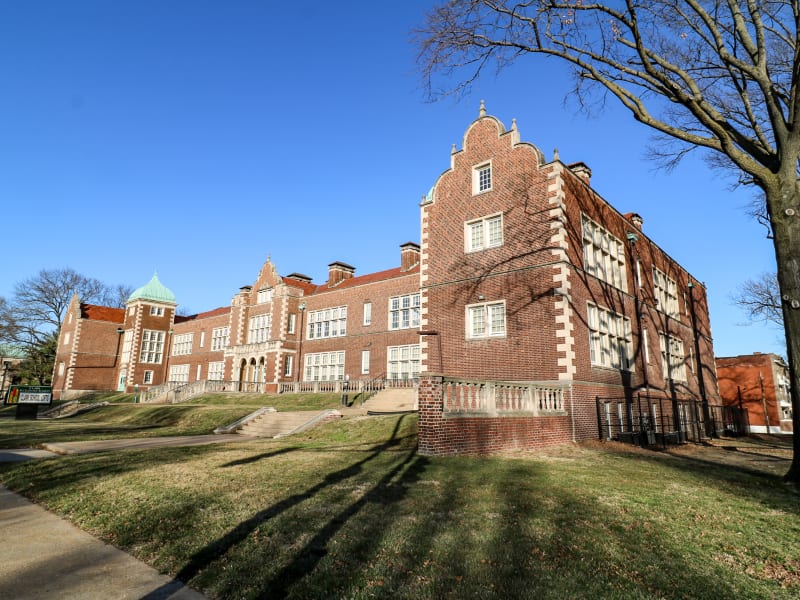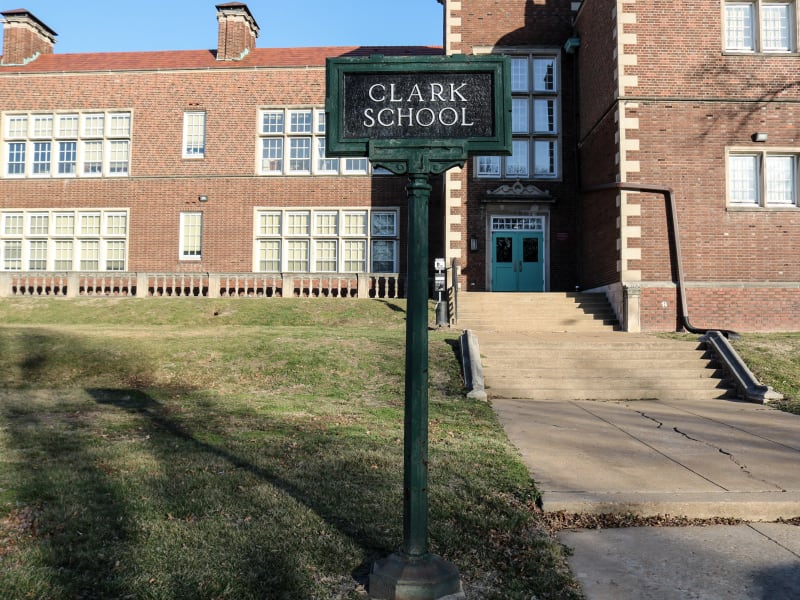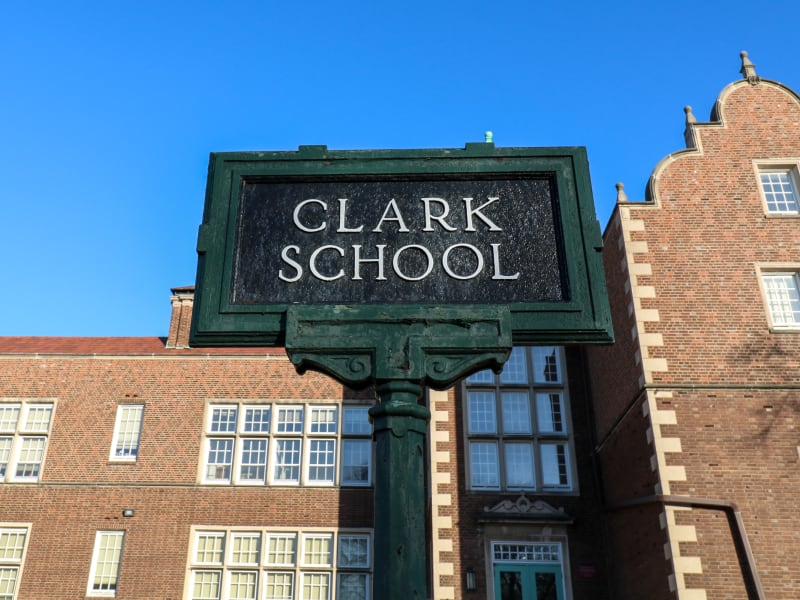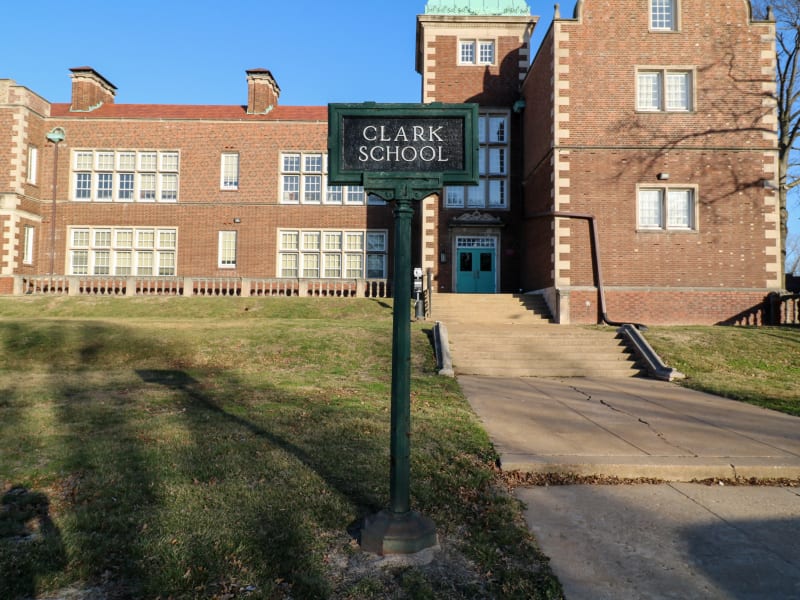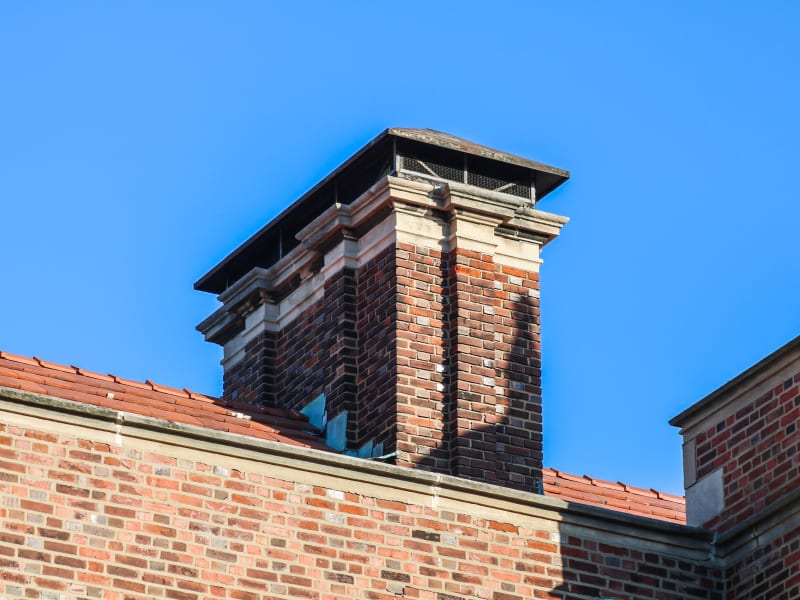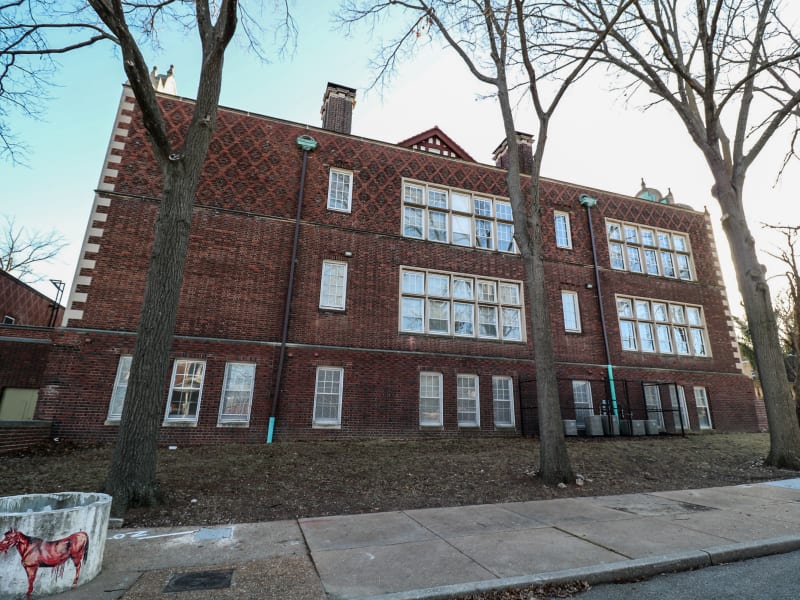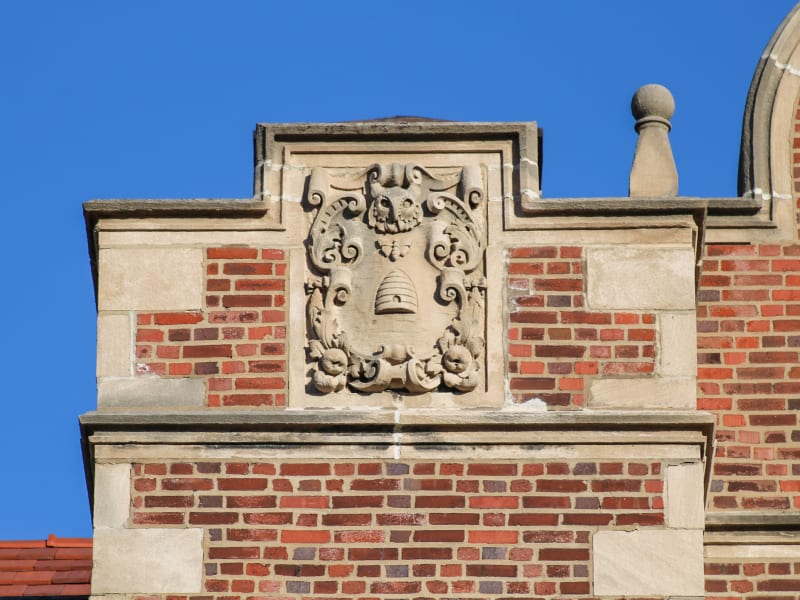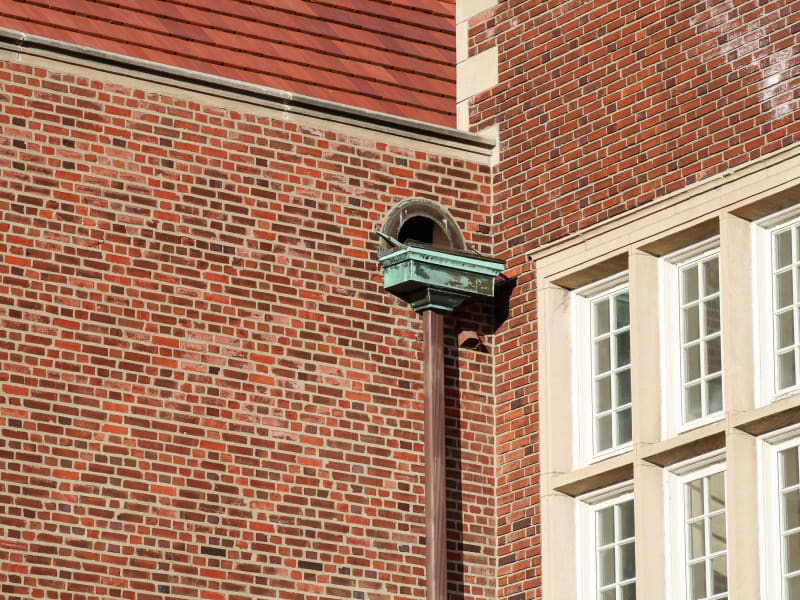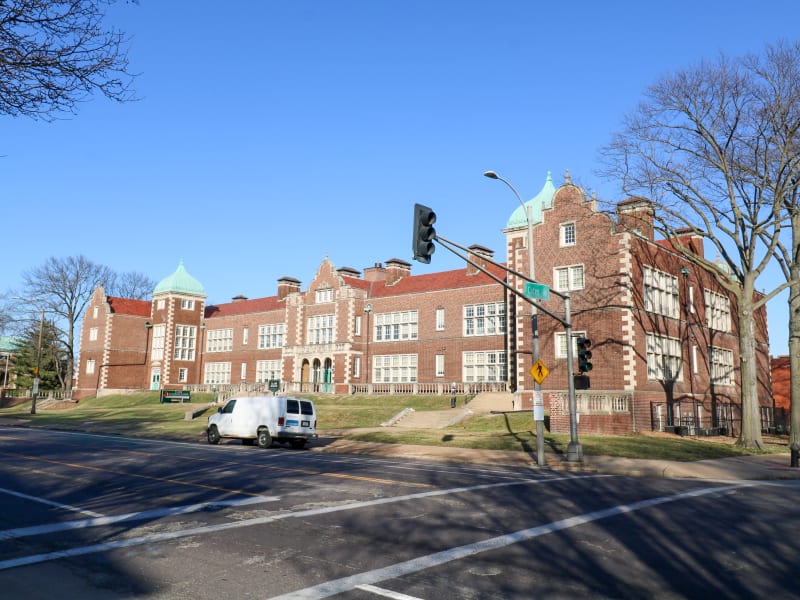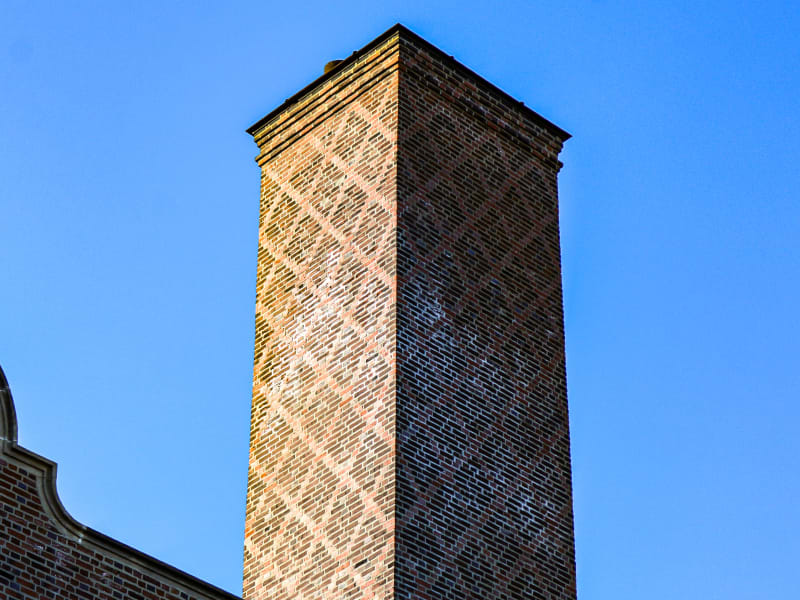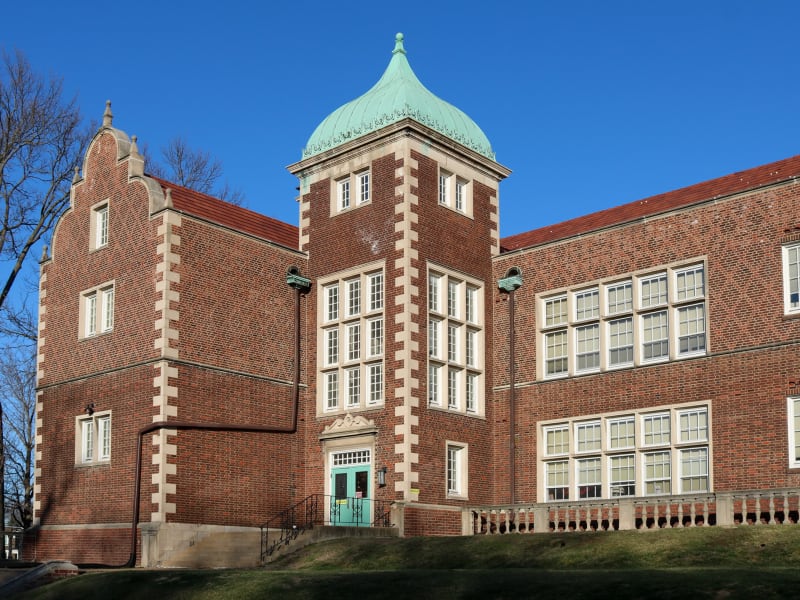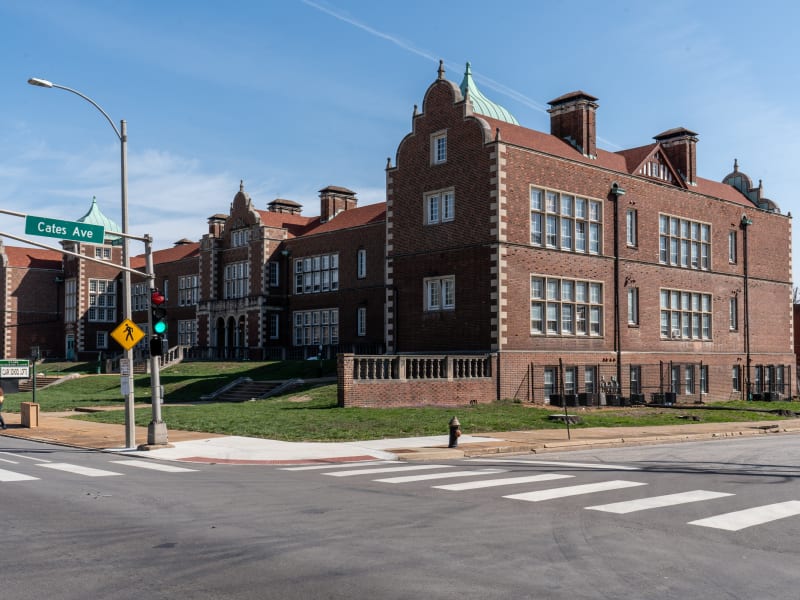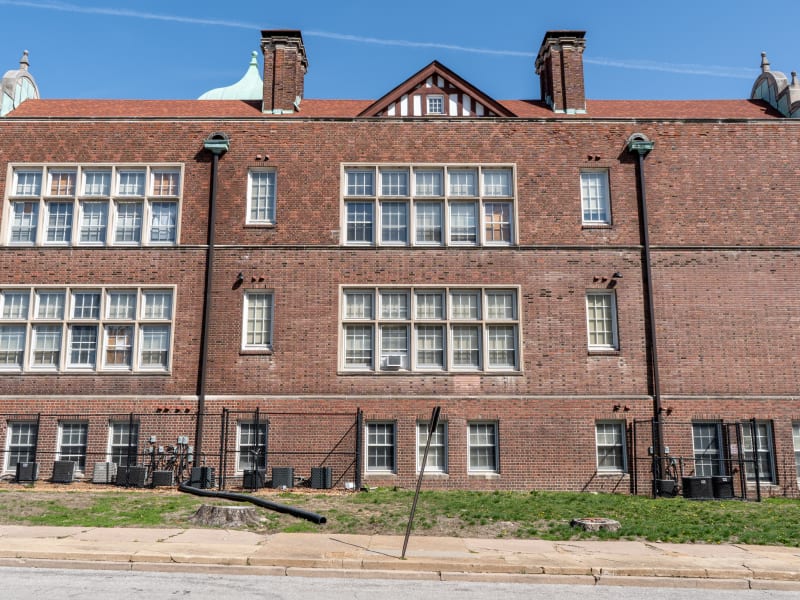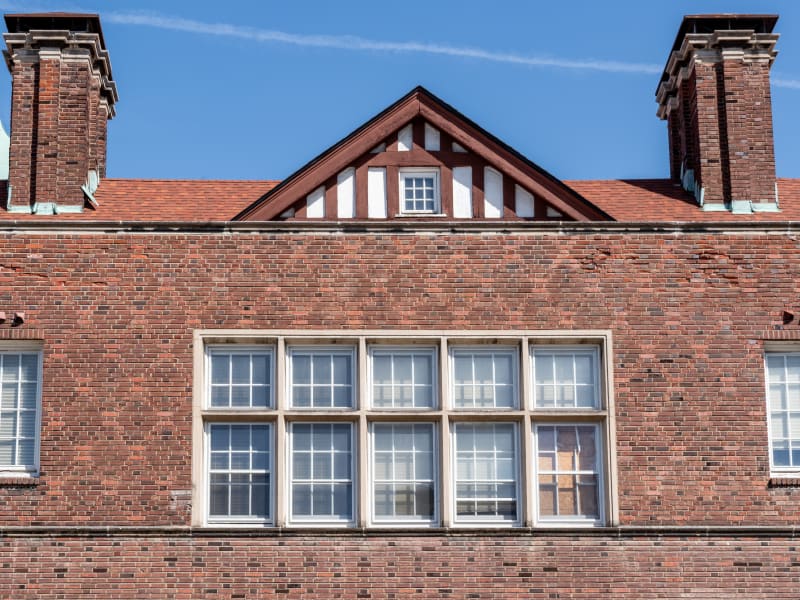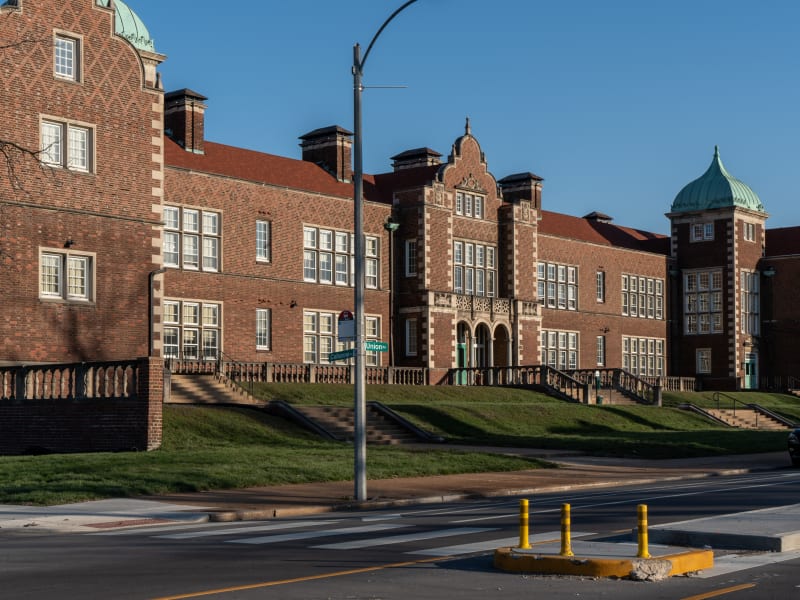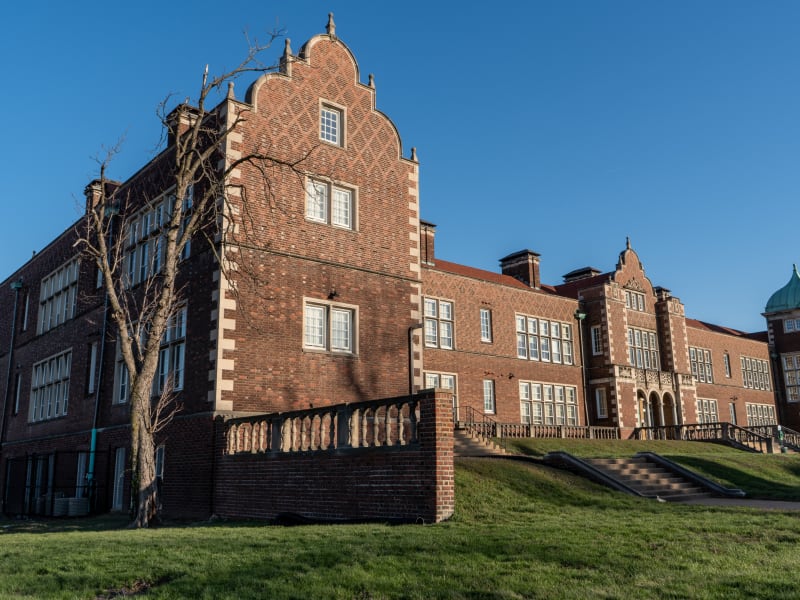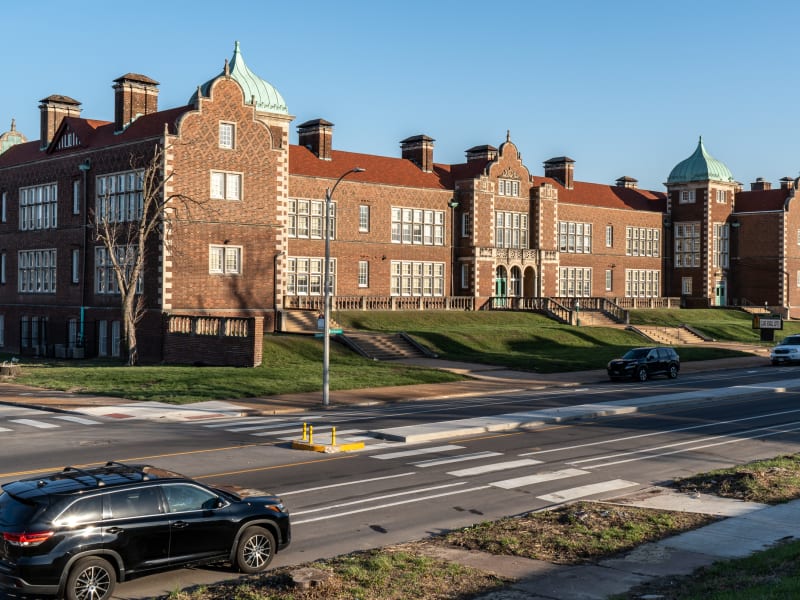
Clark School exemplifies William B. Ittner's influential approach to Progressive-era school design, featuring his characteristic E-shaped or open floor plan that maximized natural light and ventilation in classrooms. The three-story brick building displays Jacobethan Revival elements with decorative stonework, symmetrical massing, and large grouped windows that became hallmarks of Ittner's nationally recognized school architecture.
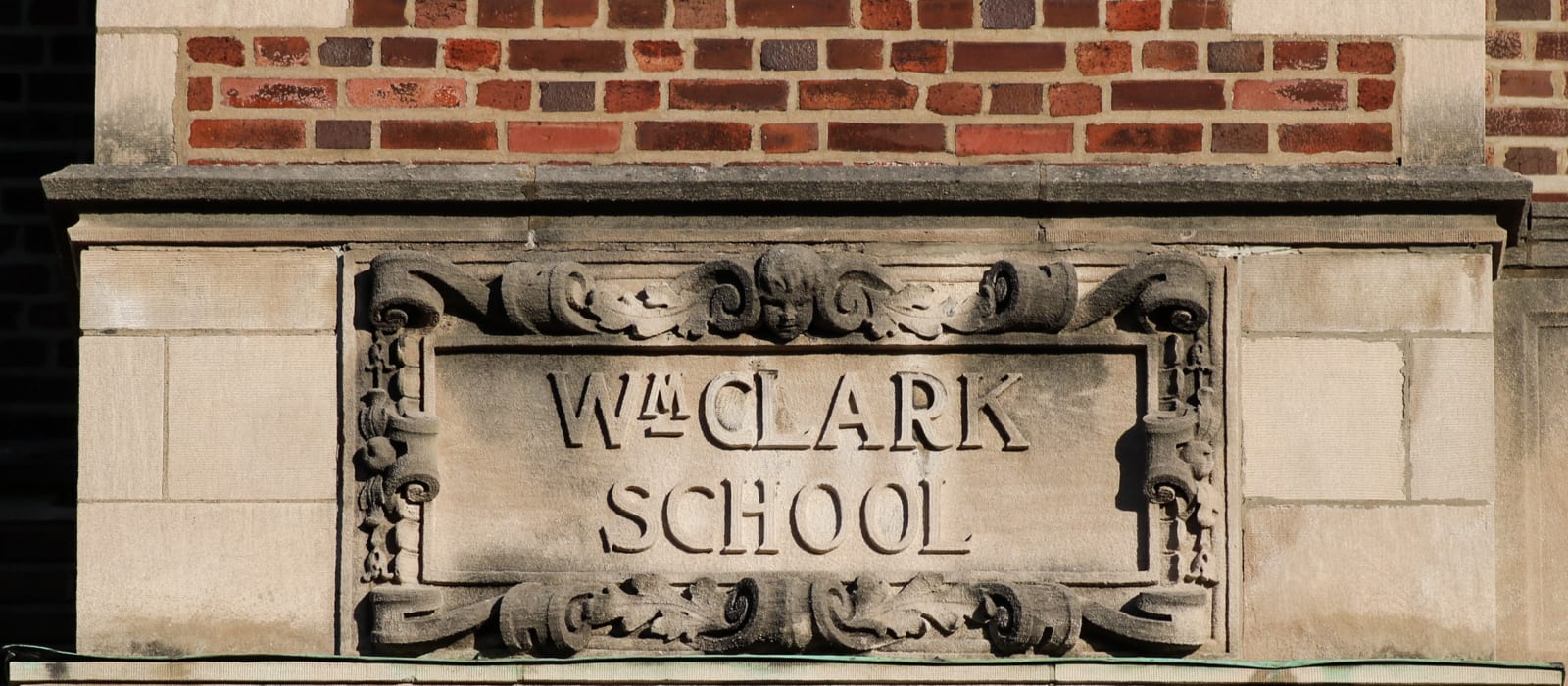
Clark School was constructed in 1907 as part of the St. Louis Public Schools' ambitious building campaign under the direction of William B. Ittner, who served as the district's Commissioner of School Buildings. The school was named in honor of William Clark, the famous explorer who co-led the Lewis and Clark Expedition and later served as Governor of the Missouri Territory. Its construction reflected the city's commitment to providing modern educational facilities for its rapidly growing population during the early twentieth century. The school served generations of students in the Academy neighborhood, located along Union Boulevard on the city's near north side. Like many Ittner-designed schools, Clark School was built to accommodate large numbers of students while incorporating progressive ideas about natural lighting, ventilation, and classroom functionality. Throughout the early and mid-twentieth century, the school operated as an elementary school serving the surrounding residential community. As demographic shifts transformed St. Louis neighborhoods in the latter half of the twentieth century, Clark School's enrollment and role evolved along with the changing city. The building remains standing today, a testament to the durability of Ittner's school designs, many of which have survived over a century of use. Its continued presence on Union Boulevard serves as a reminder of the substantial investment St. Louis made in public education during its period of greatest growth and prosperity.