Rockwell Milligan
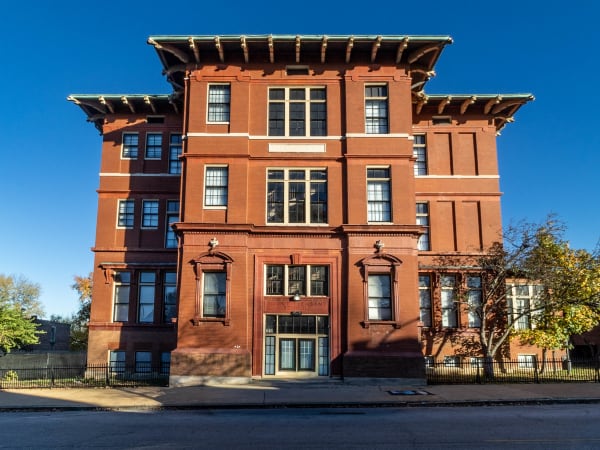
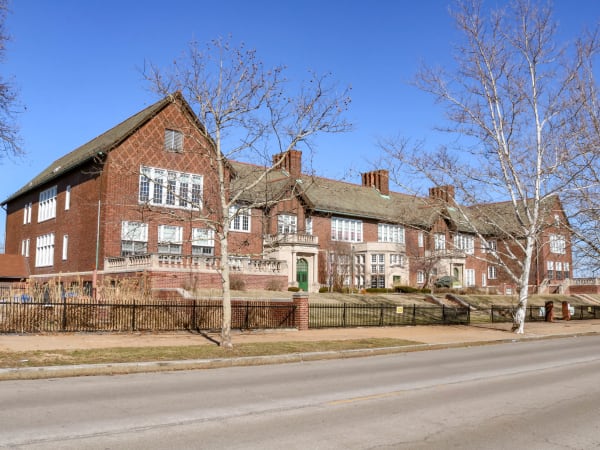
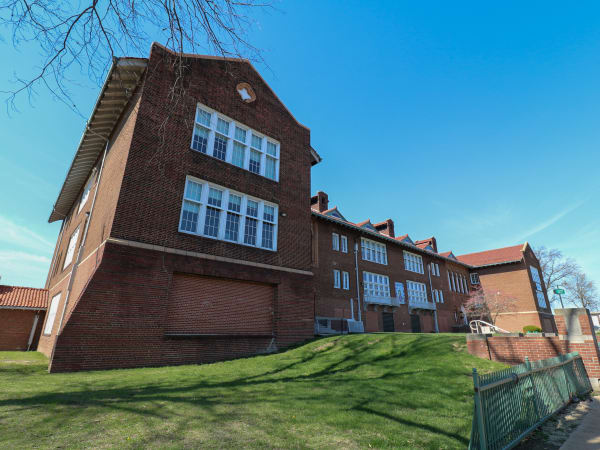
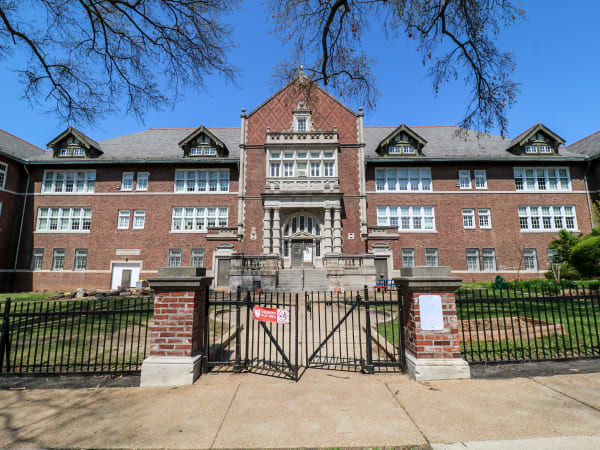
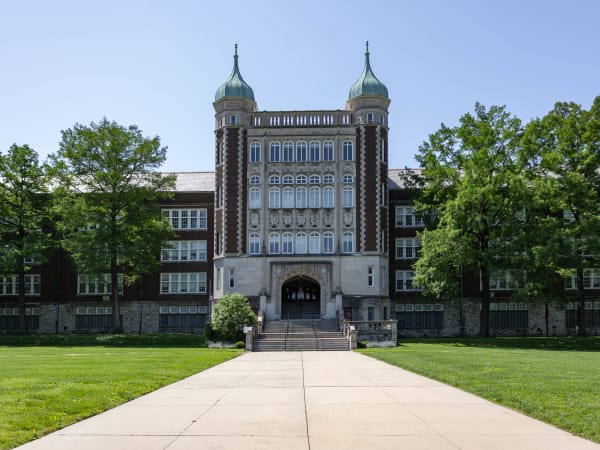
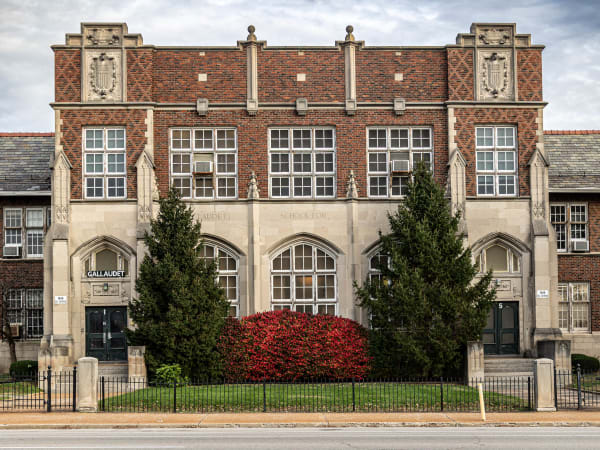
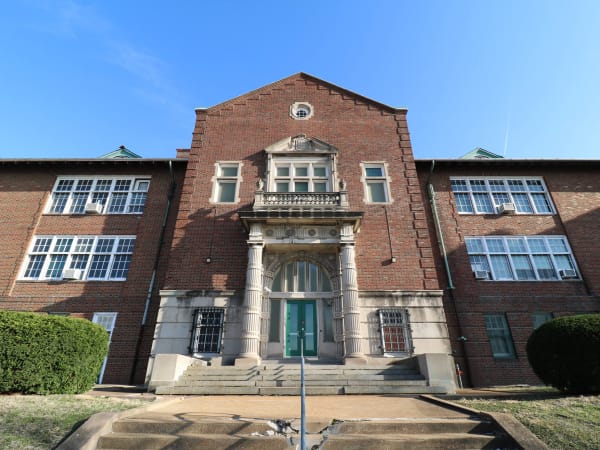
Rockwell Milligan was among the most prolific school architects to work in St. Louis during the early twentieth century, though details of his training and early career remain elusive. What is clear from the documentary record is that by 1917 he had established himself as a designer of educational buildings, and over the following dozen years he produced an extraordinary concentration of work for the St. Louis Public Schools system. His output during this period—at least eighteen schools between 1917 and 1929—suggests he held a favored position with the school board or worked in an official or semi-official capacity as a district architect, though the precise nature of that relationship is not well documented. Milligan's school designs reflect the prevailing trends of the era, when urban districts across America were investing heavily in substantial, purpose-built educational facilities. His portfolio ranged from neighborhood elementary schools like Dewey, Cupples, and Buder to major secondary institutions including Beaumont High School and Vashon High School, the latter serving the African American community during the segregation era. He also designed specialized facilities such as the Turner Open Air School, reflecting Progressive Era ideas about health and education, and the Gallaudet School for the Deaf. This breadth suggests both versatility and a comprehensive understanding of educational architecture's varied programmatic demands. Milligan's significance to St. Louis lies primarily in the sheer number of school buildings he contributed to the city's fabric during a period of rapid expansion and reform in public education. Many of his buildings served their communities for generations. Beyond his school commissions, however, little is currently known about the full scope of his practice, his other building types, or the trajectory of his career after 1929. Further research into school board records and architectural publications of the period would likely yield a more complete picture of his life and work.