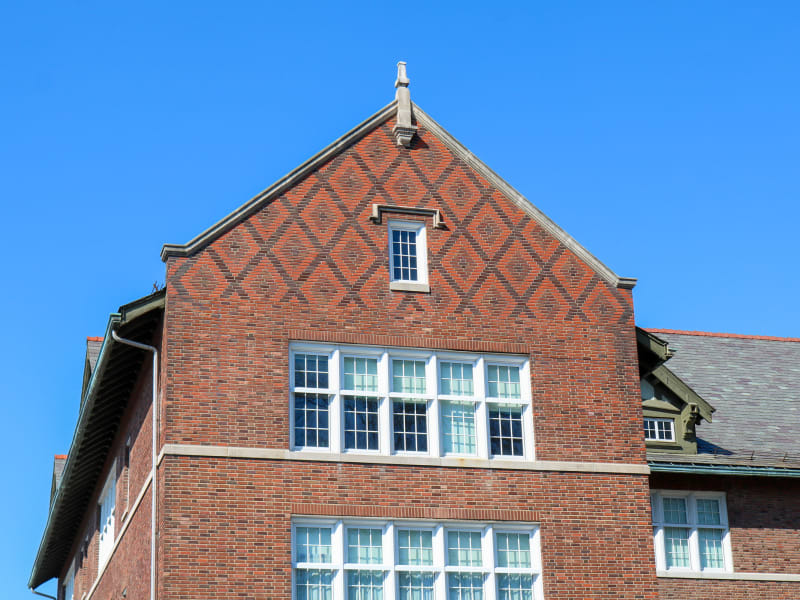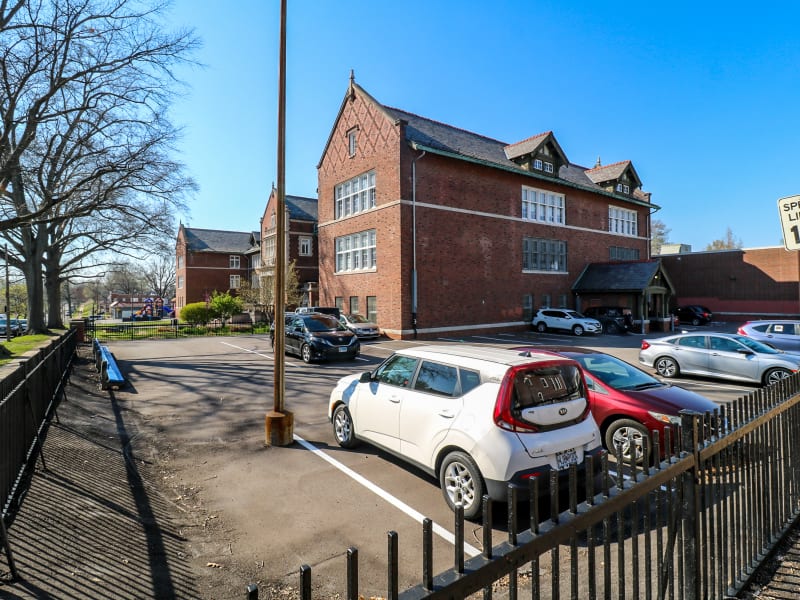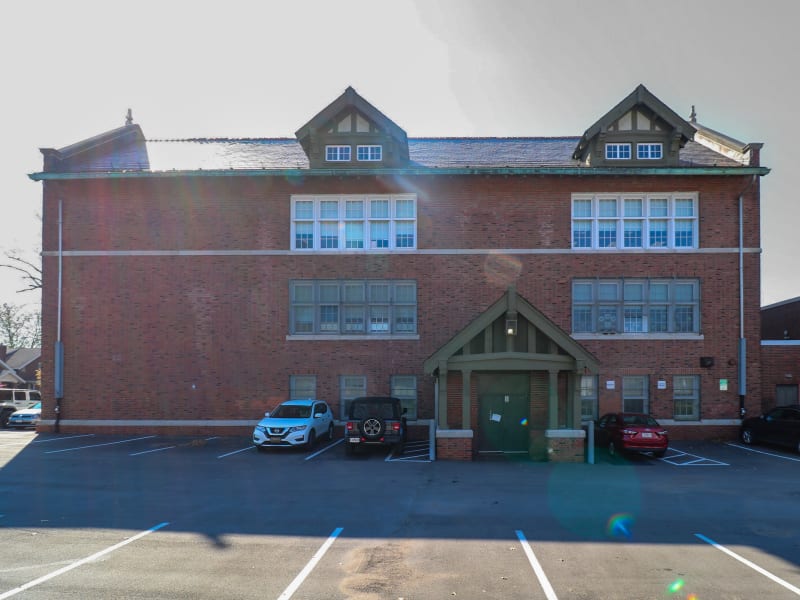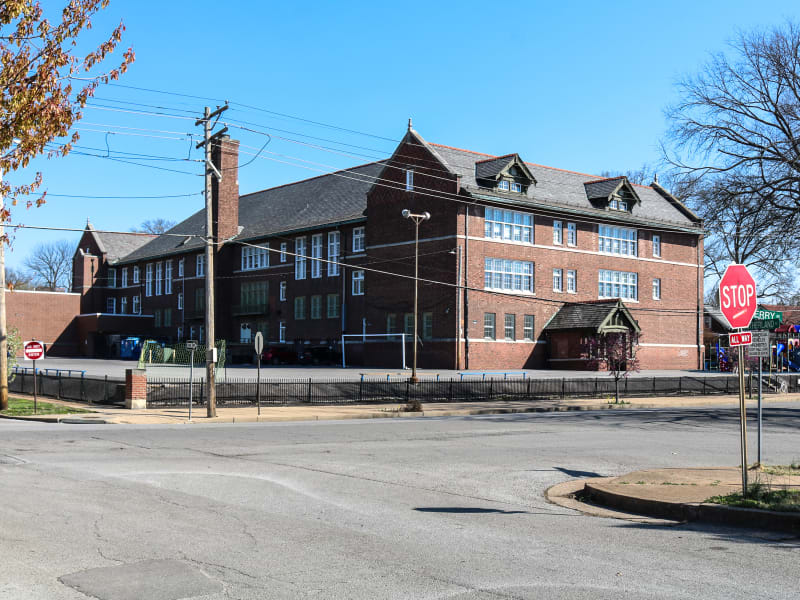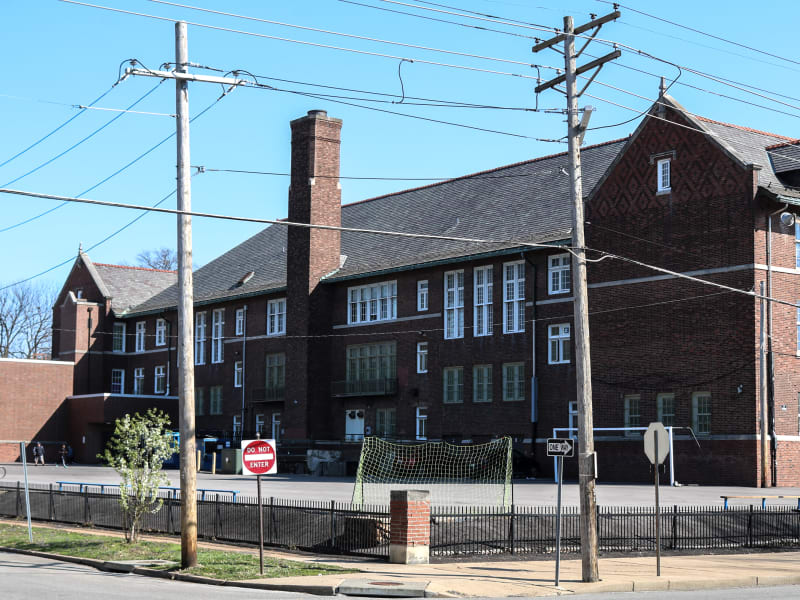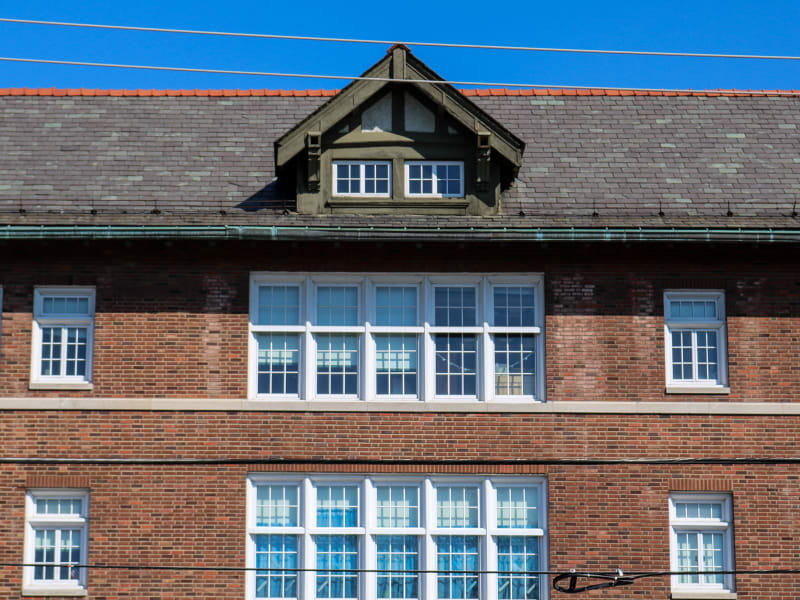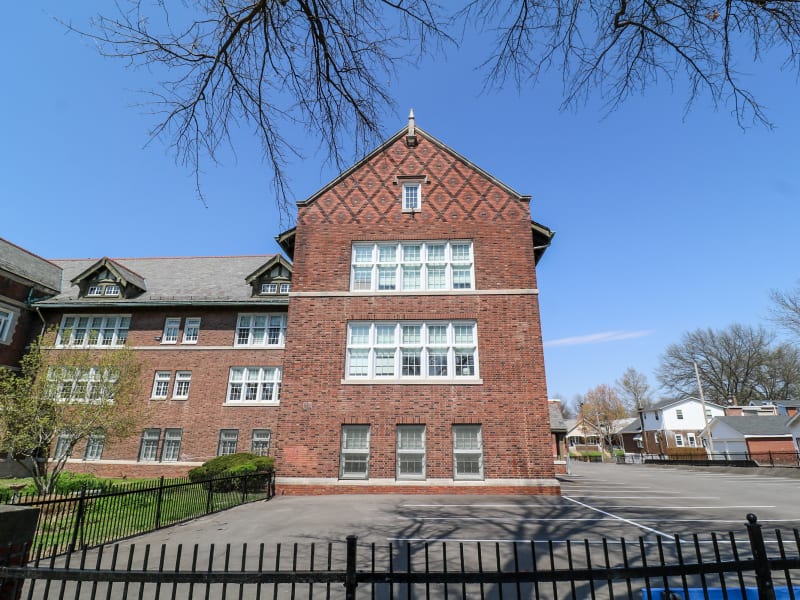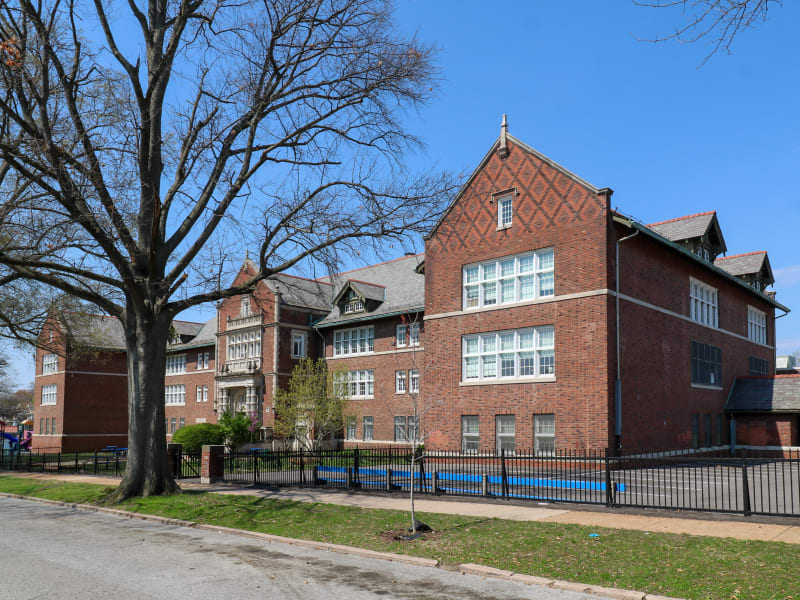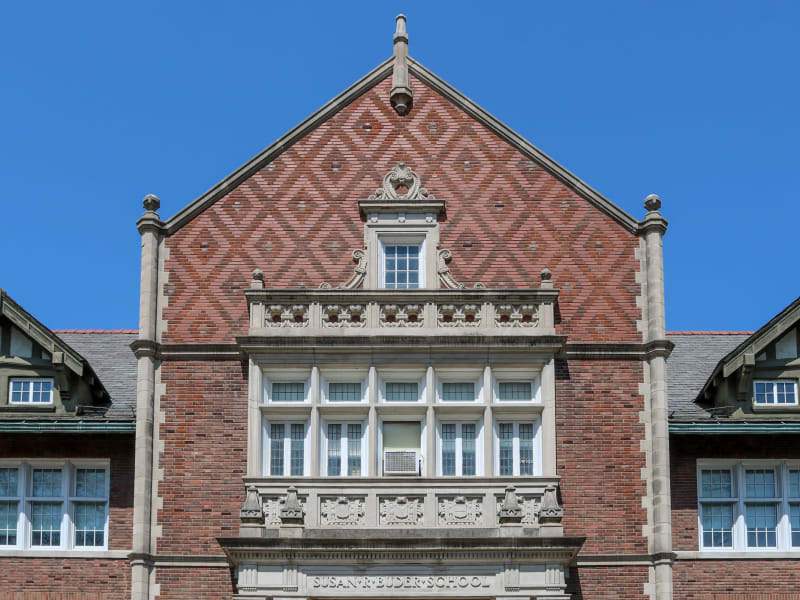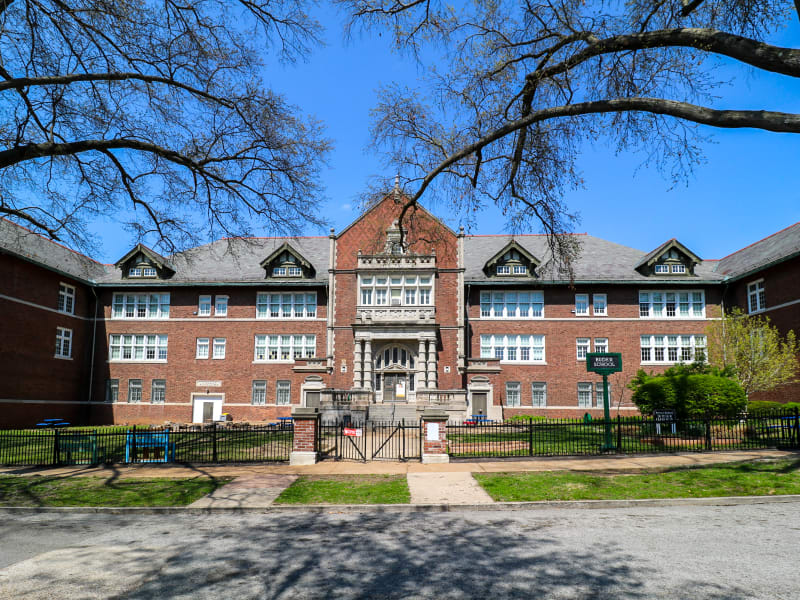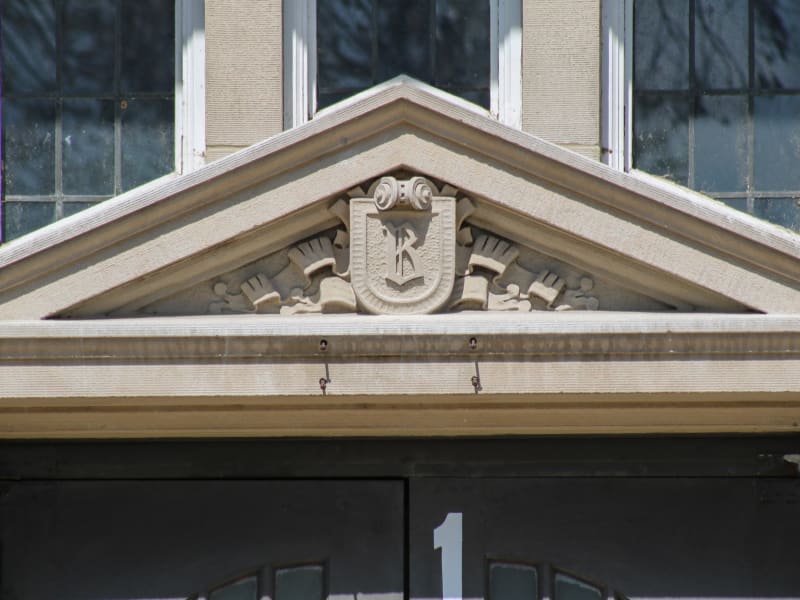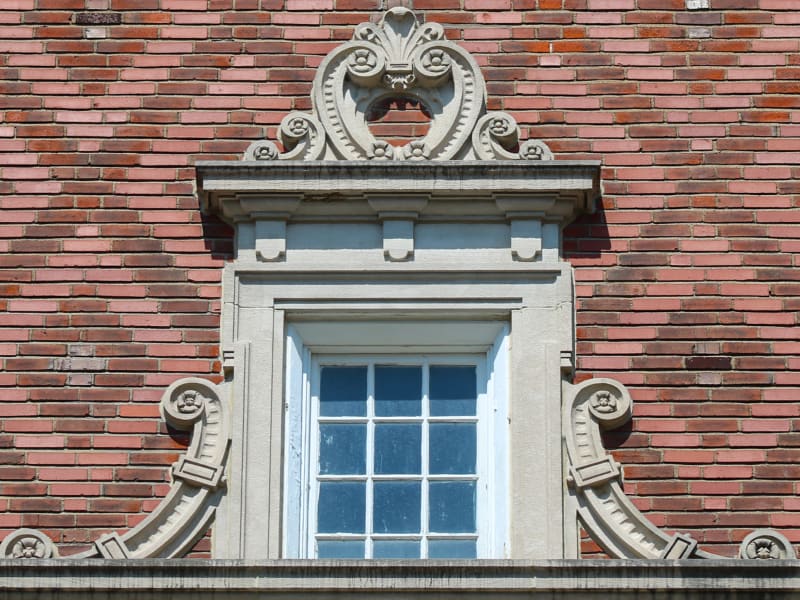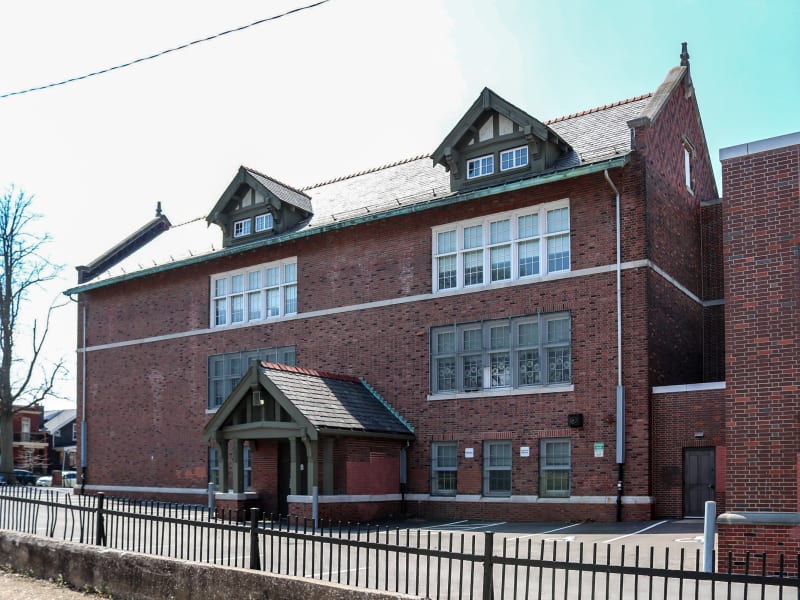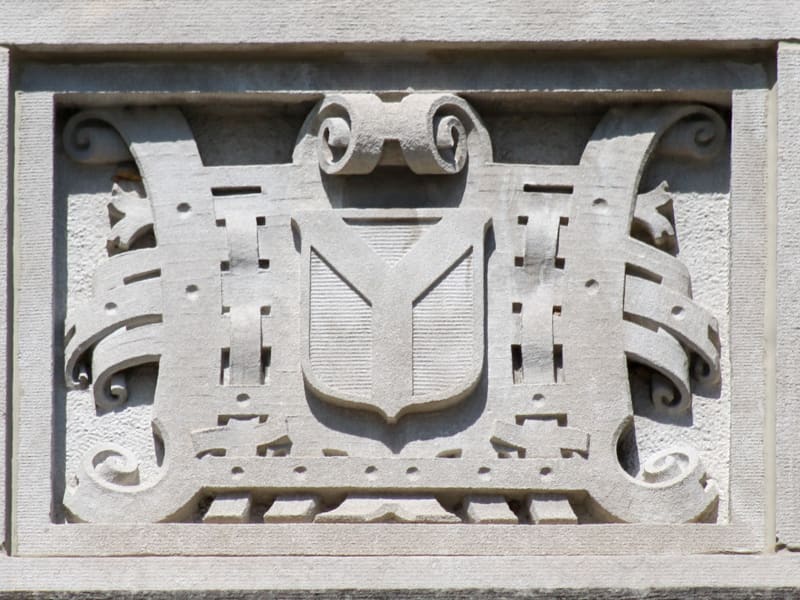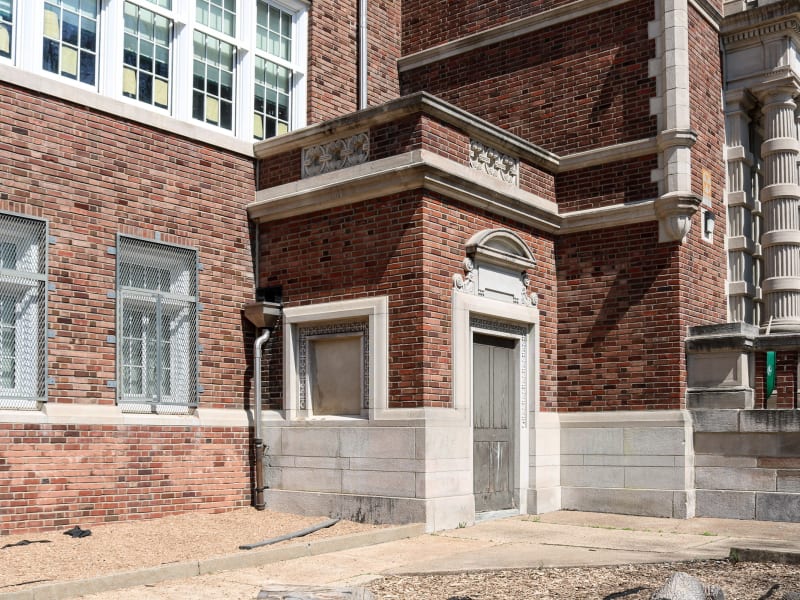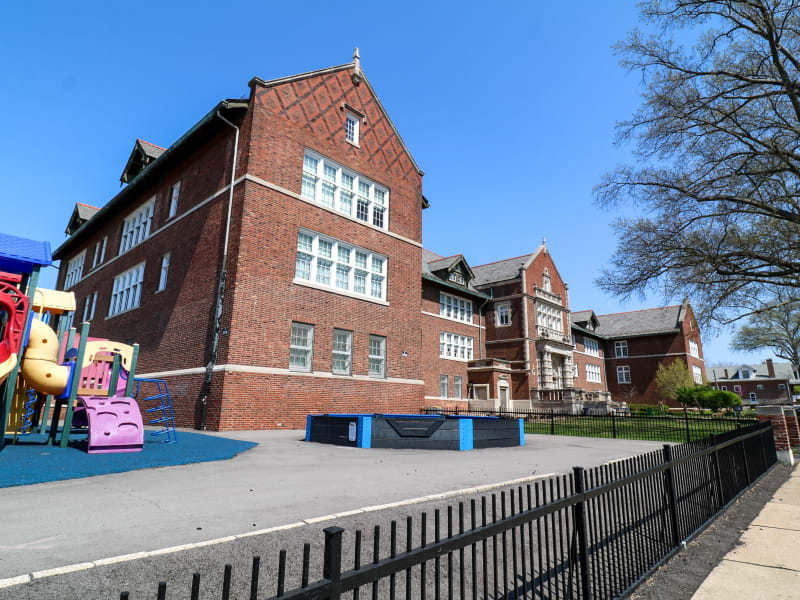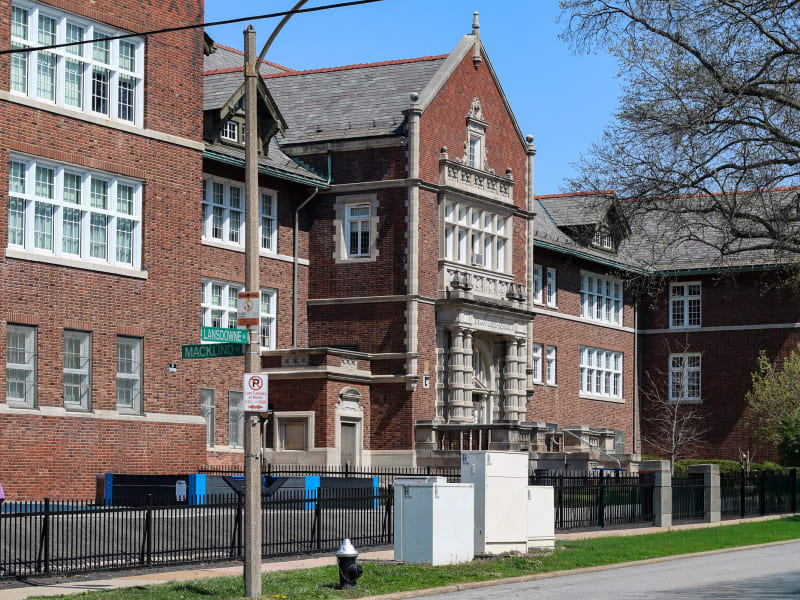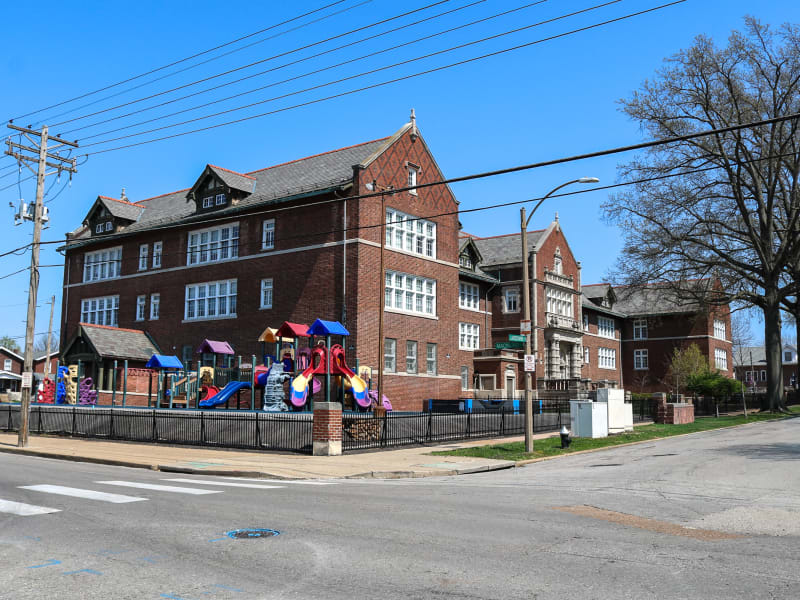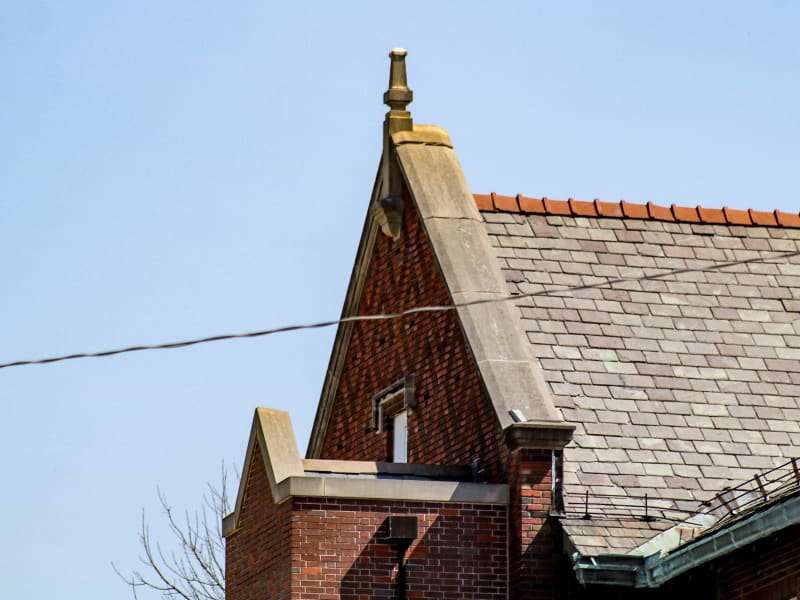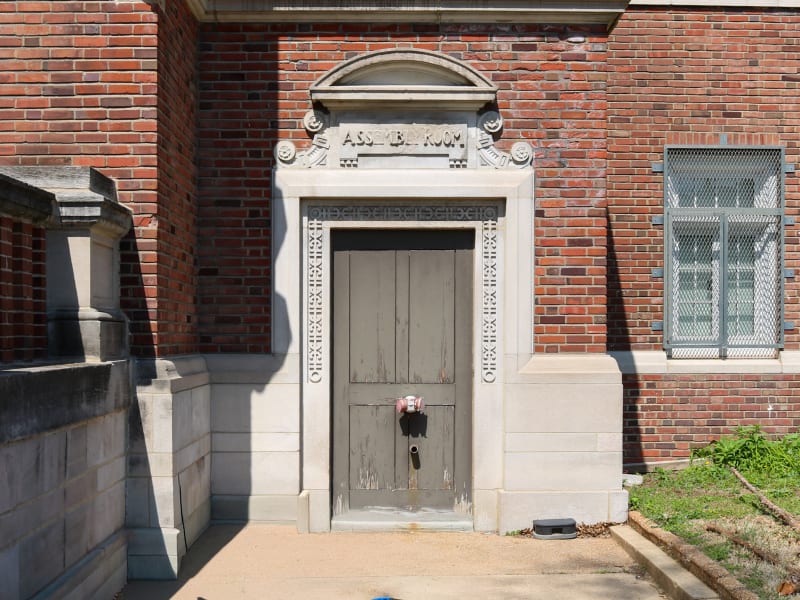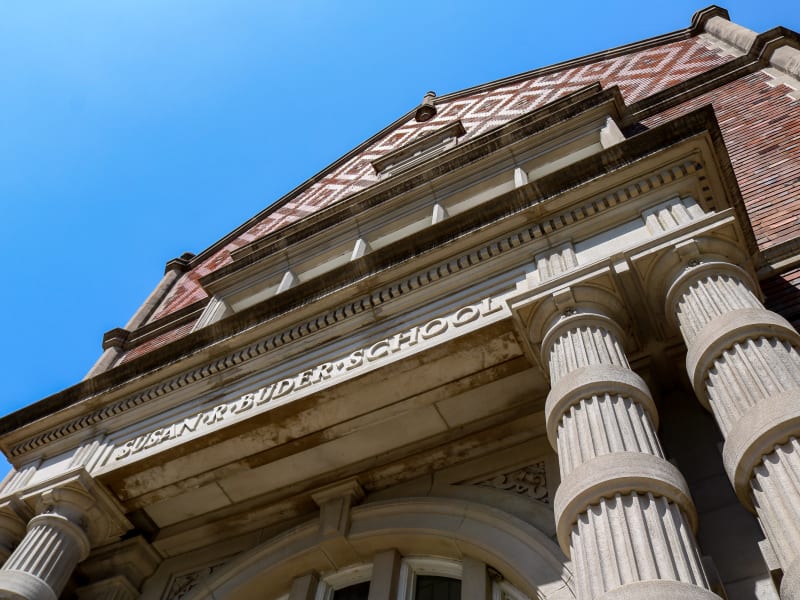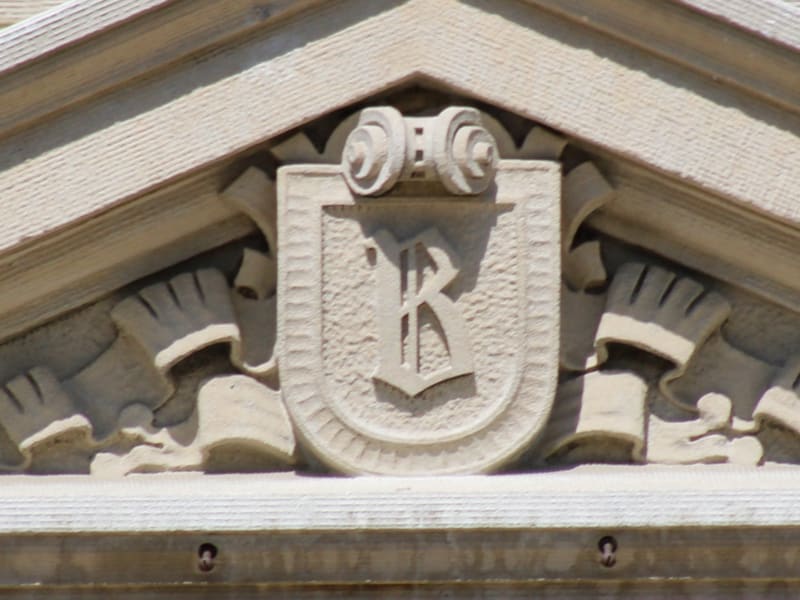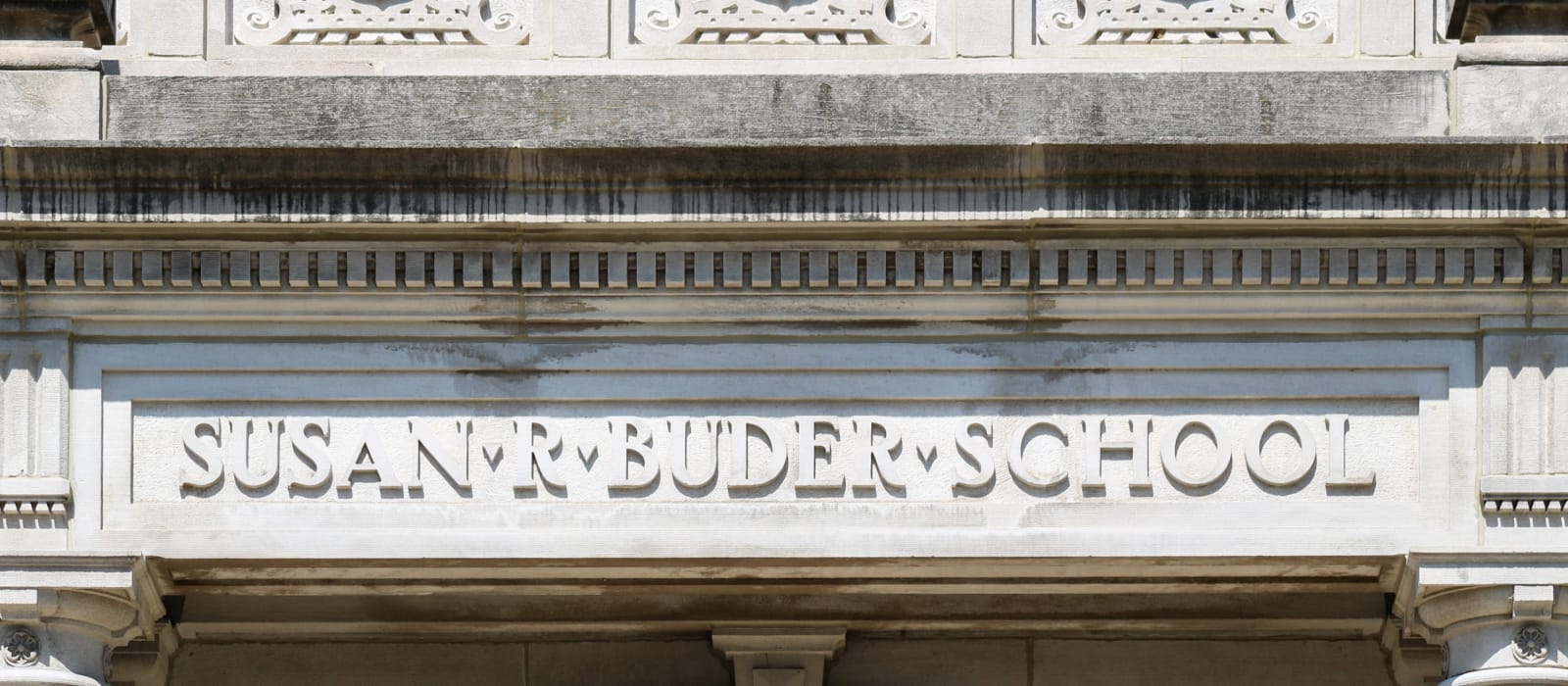
Buder School is a handsome two-story red brick building in the Collegiate Gothic style, featuring symmetrical massing, decorative limestone trim, and distinctive pointed-arch window details that lend an academic dignity to its design. The school's formal composition includes a prominent central entrance bay with ornamental stonework, flanked by uniform window bays that create a rhythmic, orderly façade typical of early 20th-century institutional architecture.
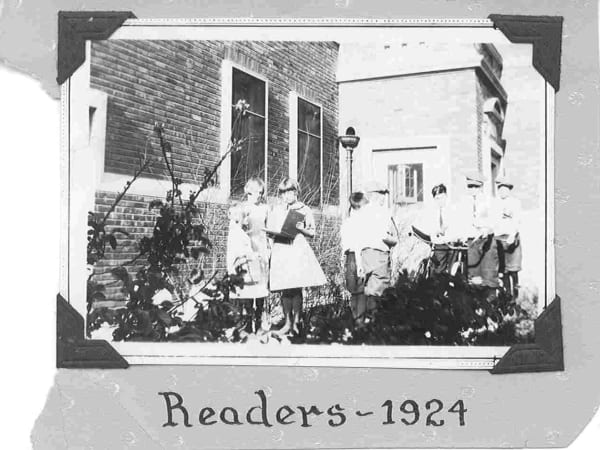
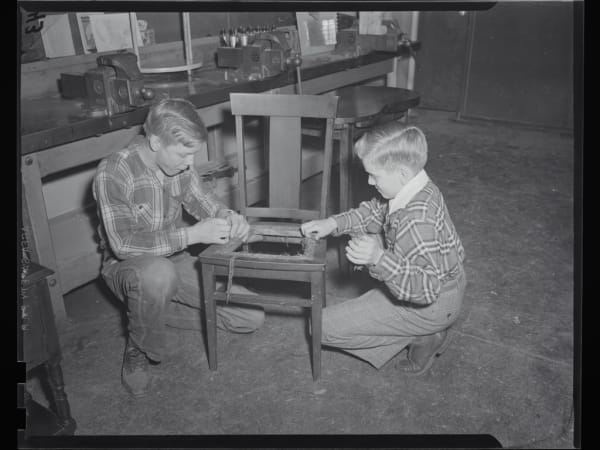
Buder School was constructed in 1921 to serve the growing Southampton neighborhood on St. Louis's south side. Designed by Rockwell Milligan, who served as the architect for the St. Louis Public Schools during this period, the building was part of a broader effort to expand educational facilities as residential development pushed outward from the city's urban core. The school was named in honor of a prominent local figure, reflecting the common practice of commemorating civic leaders through public institutions. Throughout the mid-20th century, Buder School served generations of Southampton families as the neighborhood matured into a stable, middle-class residential area. Like many St. Louis public schools, it functioned as a community anchor, hosting not only daily classes but also serving as a gathering place for neighborhood activities and civic functions. The school continued operations for decades, though shifting demographics and declining enrollment affected many St. Louis public schools in the latter half of the 20th century. Buder School remains standing today on Lansdowne Avenue, a testament to the investment St. Louis made in public education during the early 20th century and to the enduring quality of Milligan's institutional designs throughout the city.