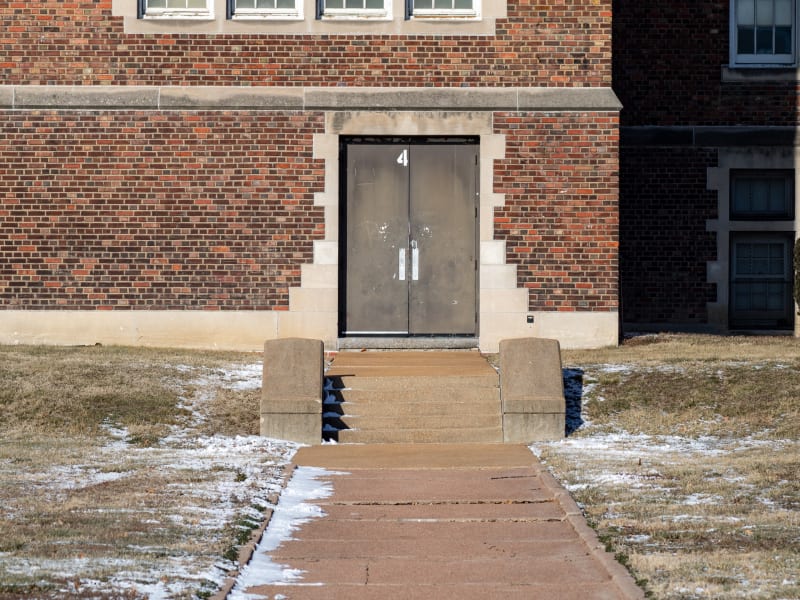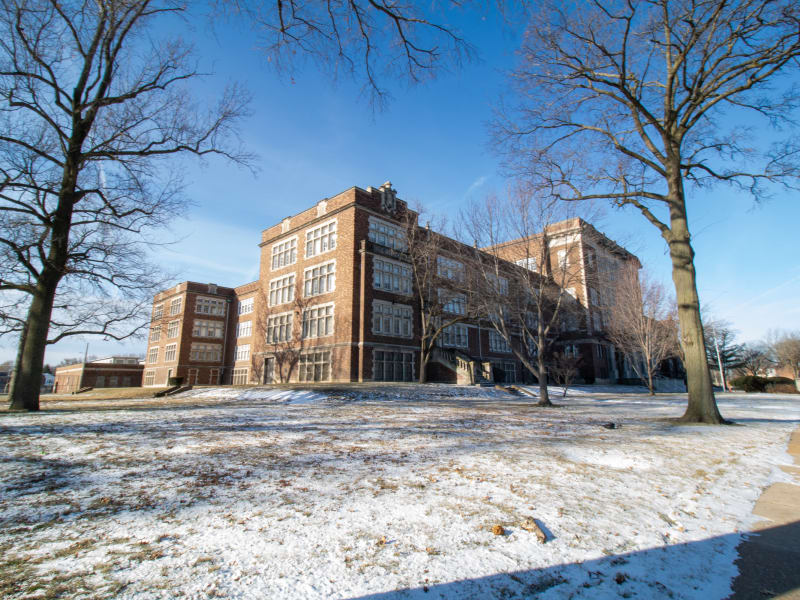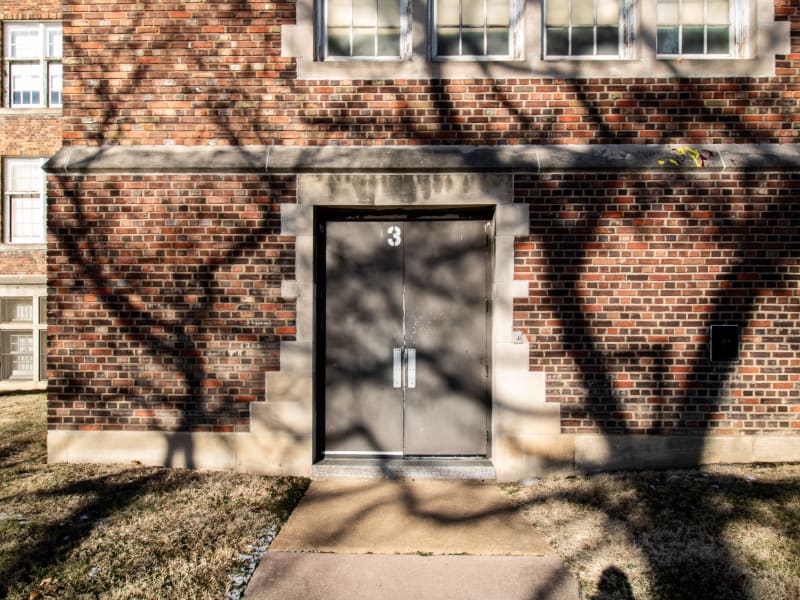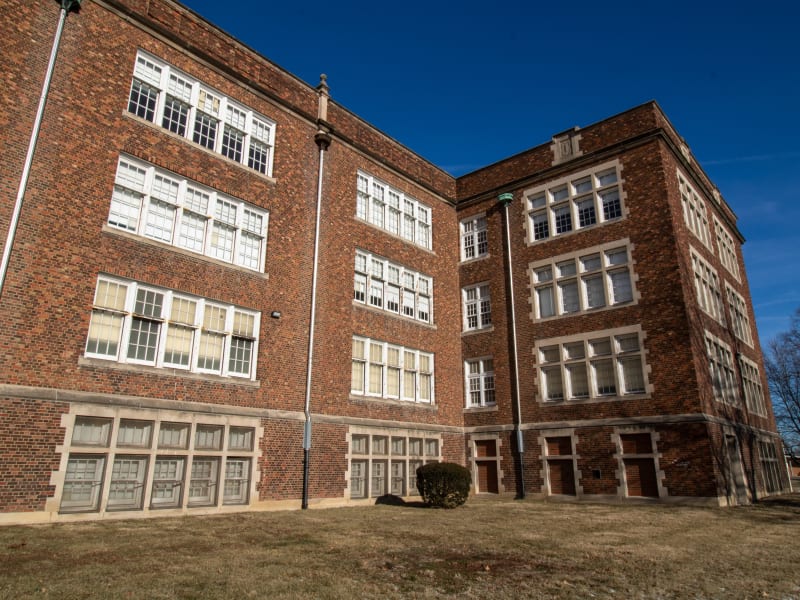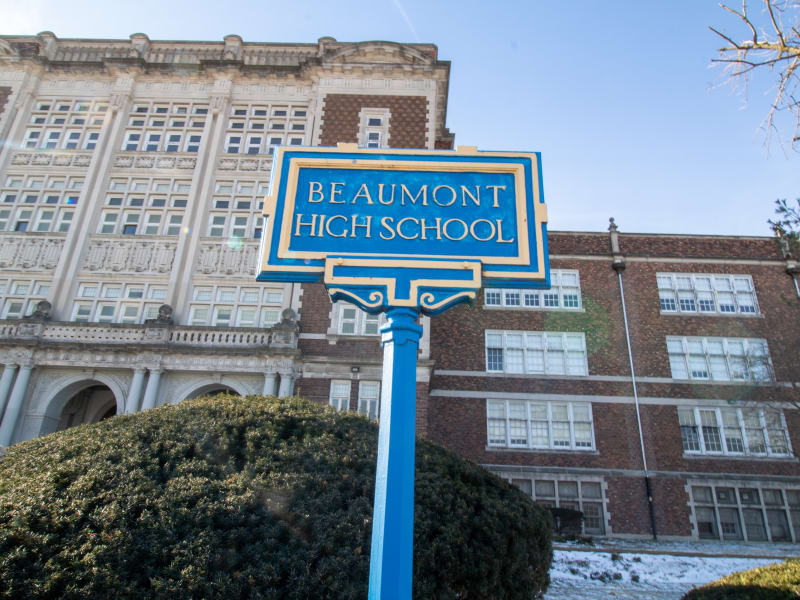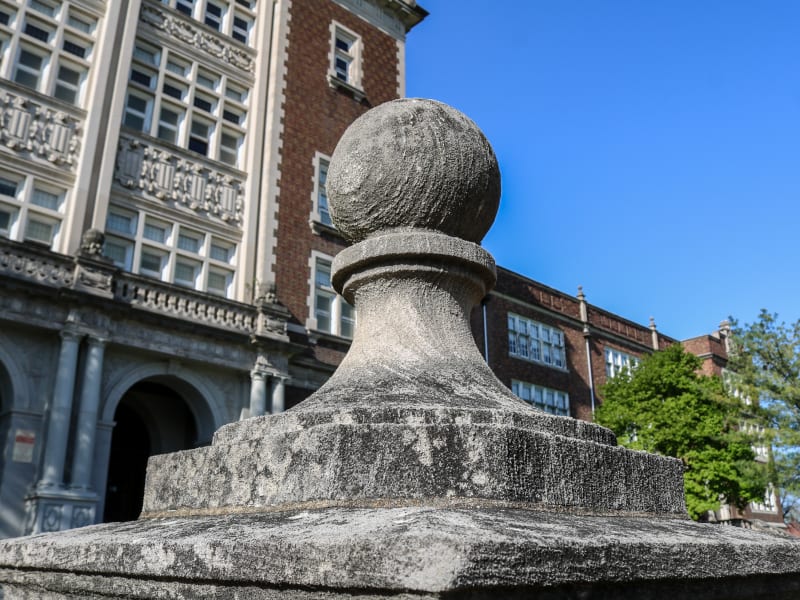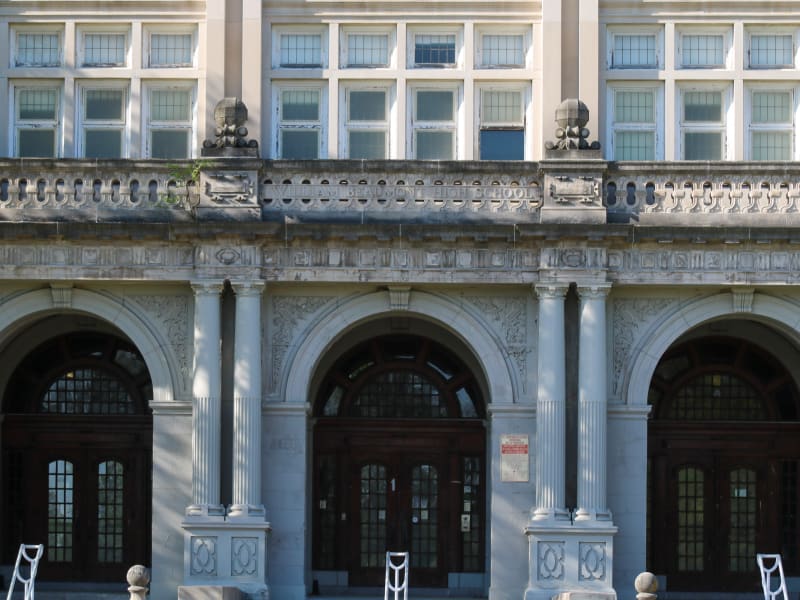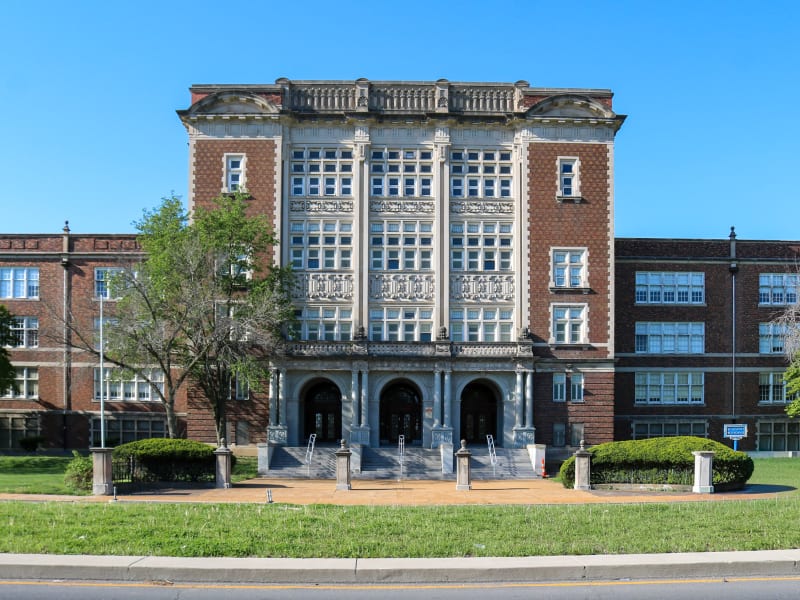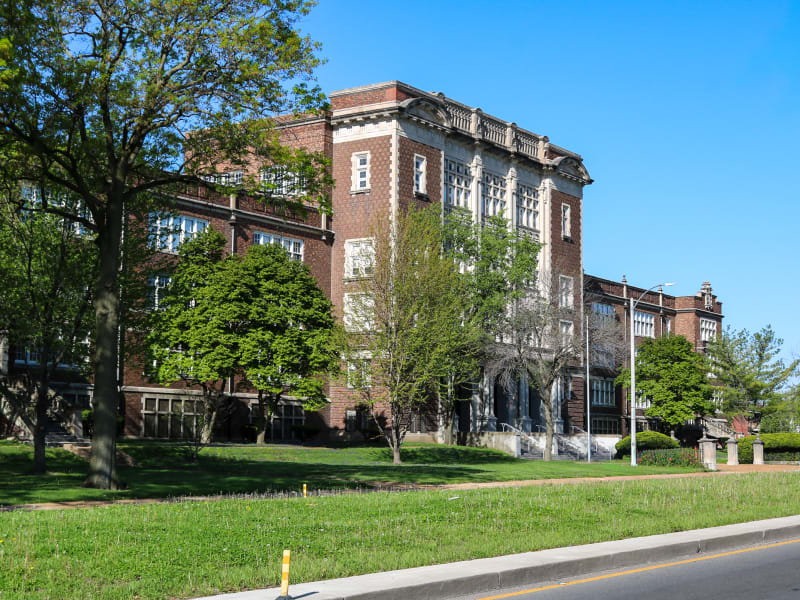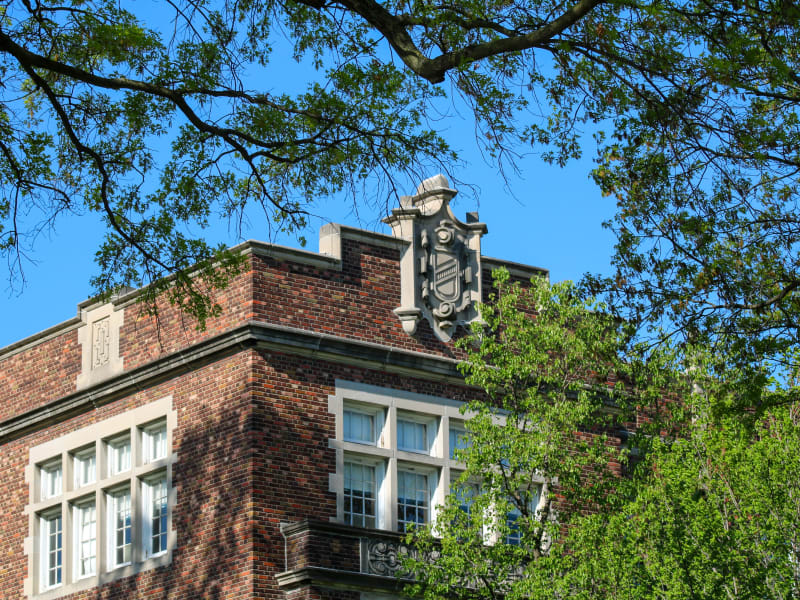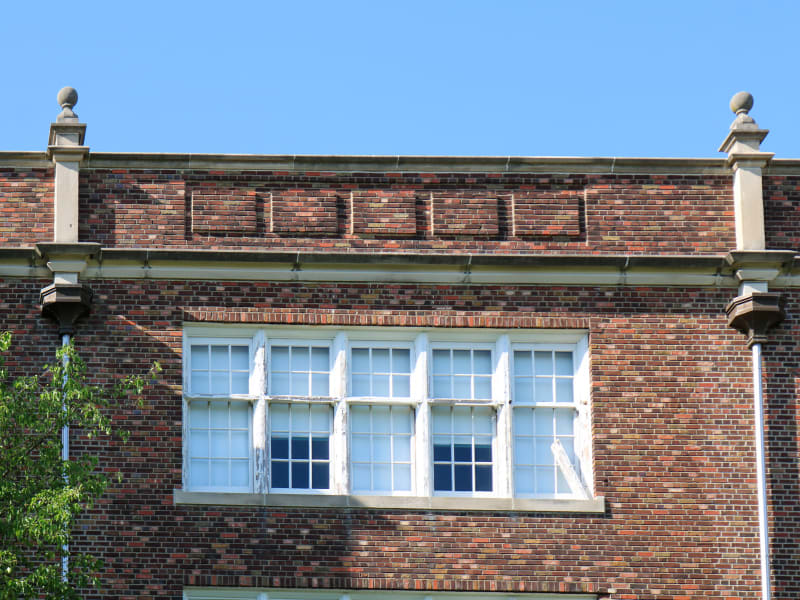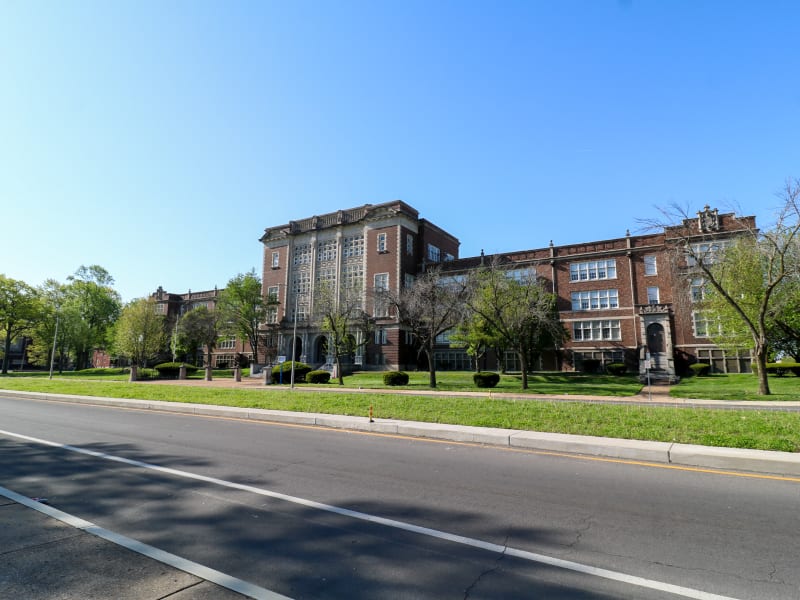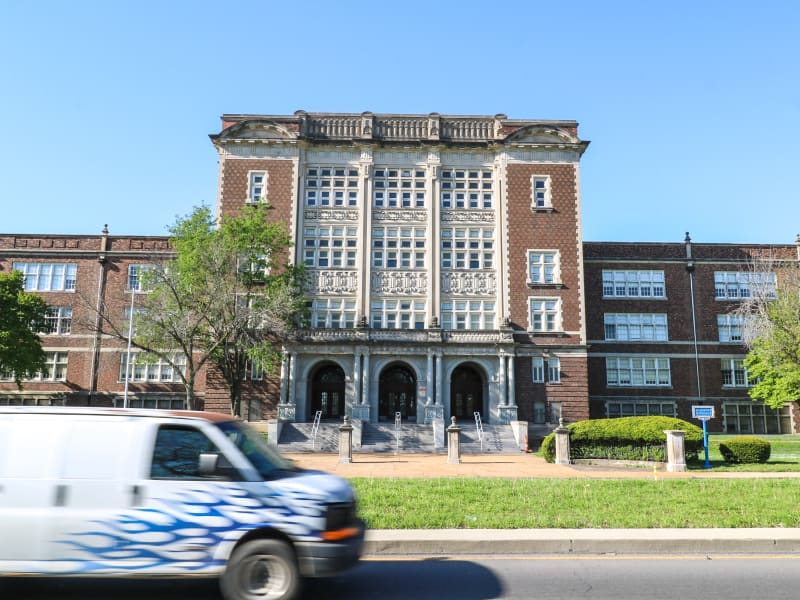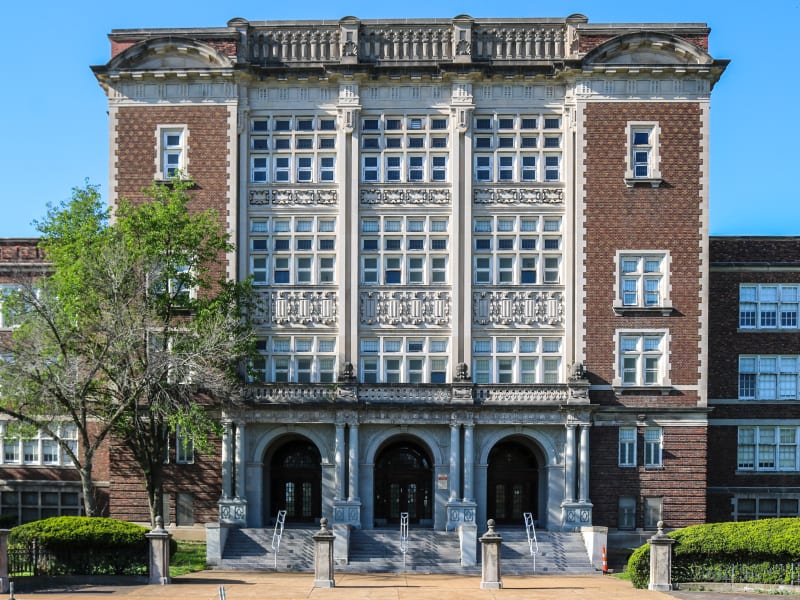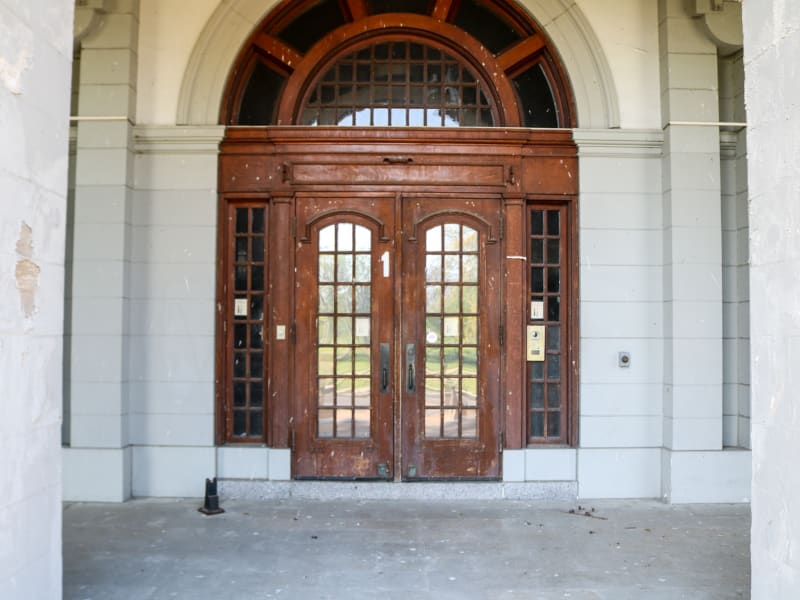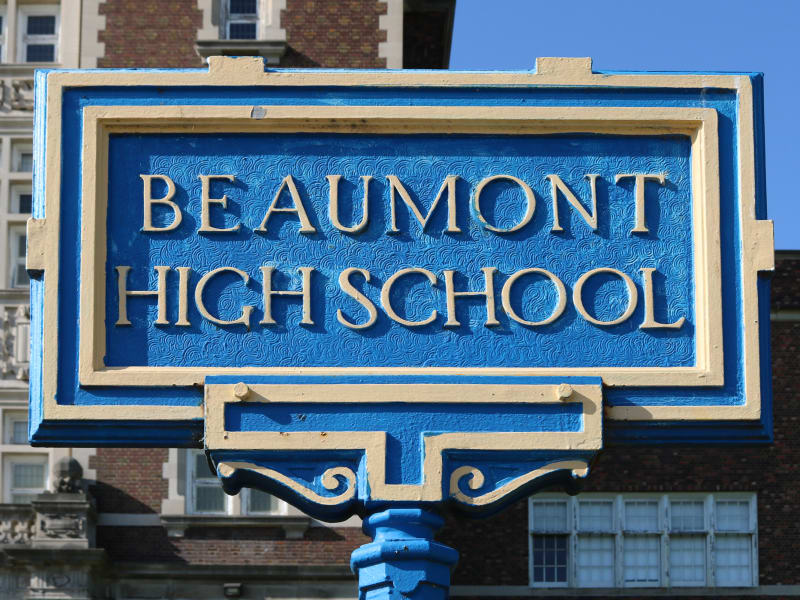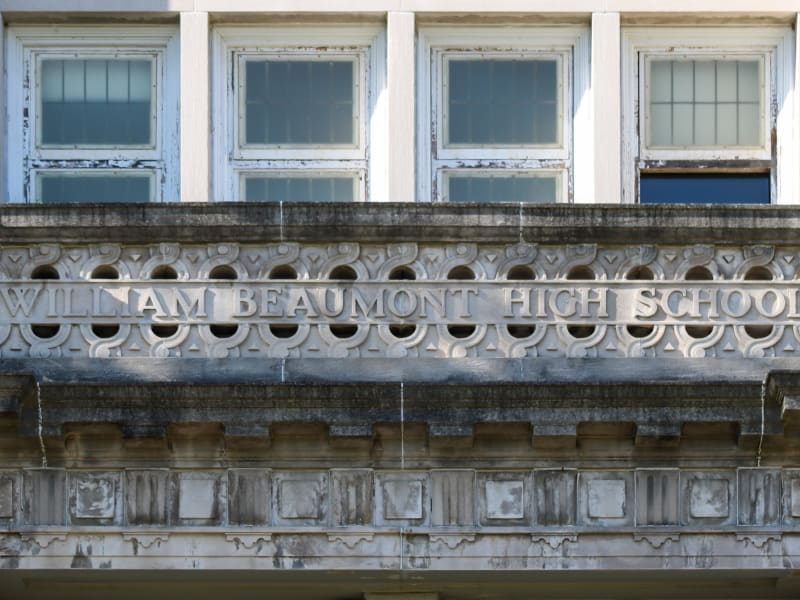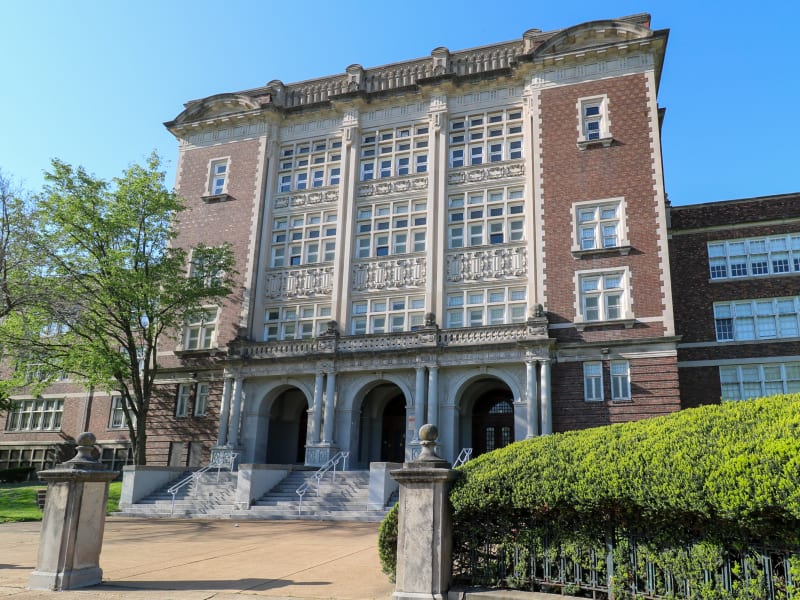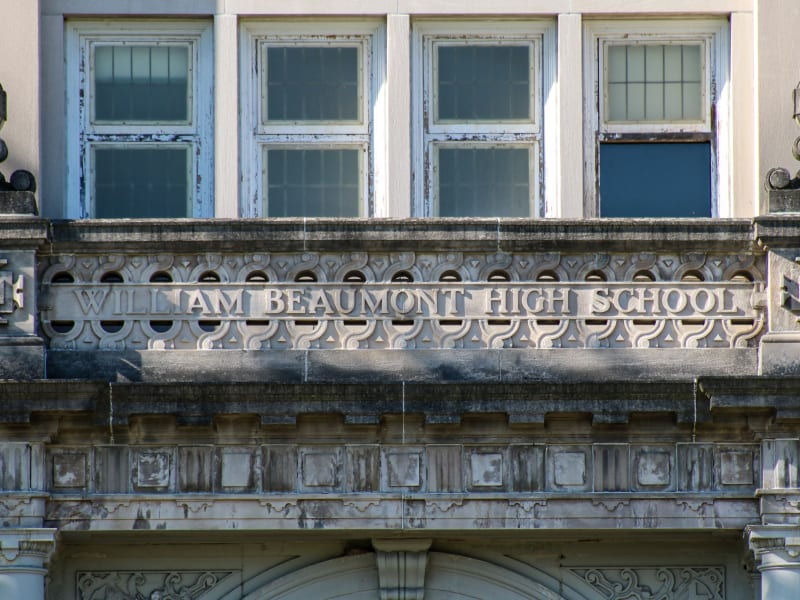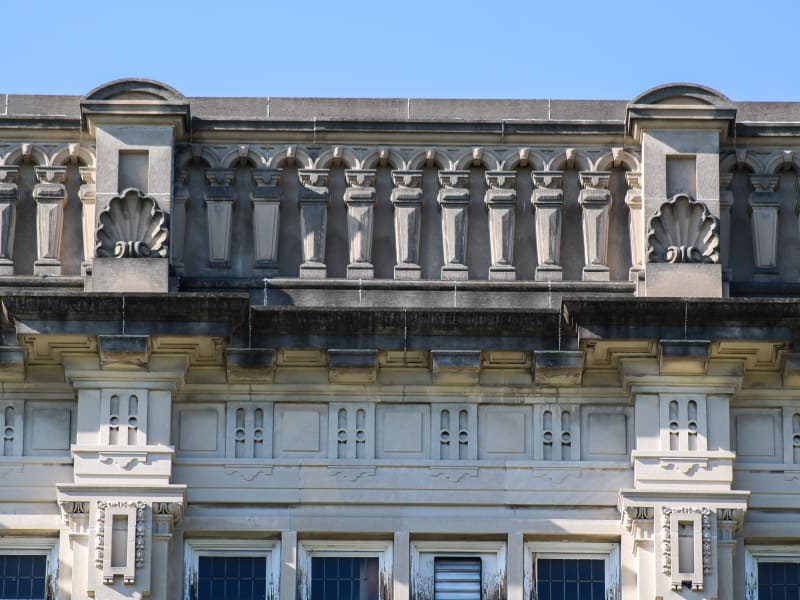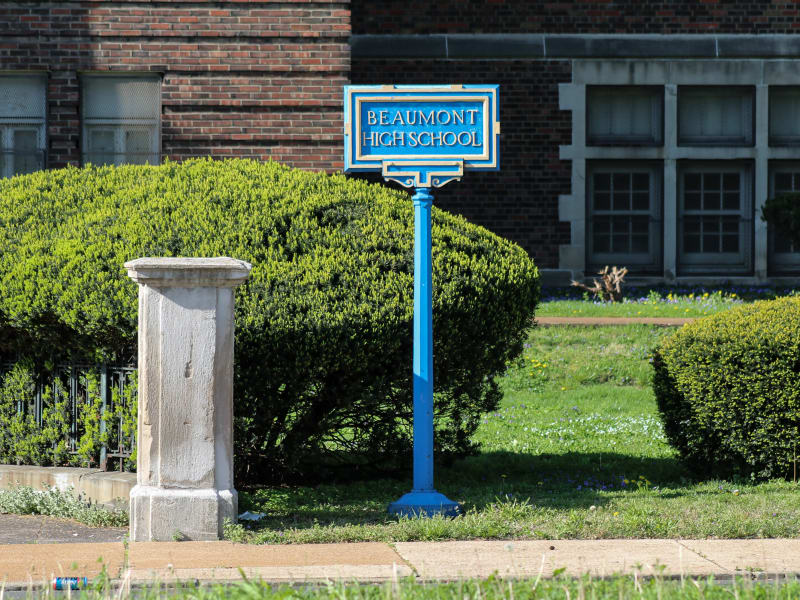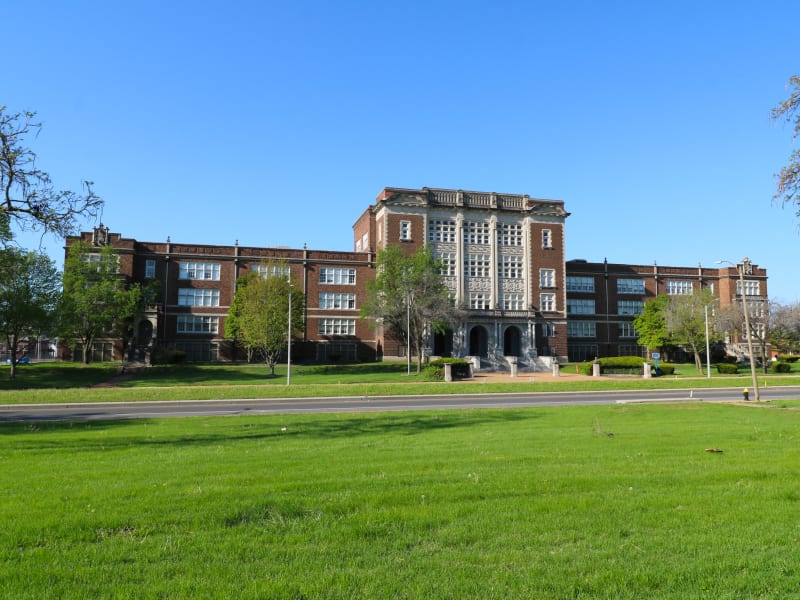
Beaumont High School is a stately Collegiate Gothic structure featuring a symmetrical red brick facade with limestone trim, decorative parapets, and pointed-arch window details that evoke traditional academic architecture. The building's imposing three-story mass, central entrance pavilion, and orderly fenestration pattern create a dignified institutional presence along Natural Bridge Avenue.
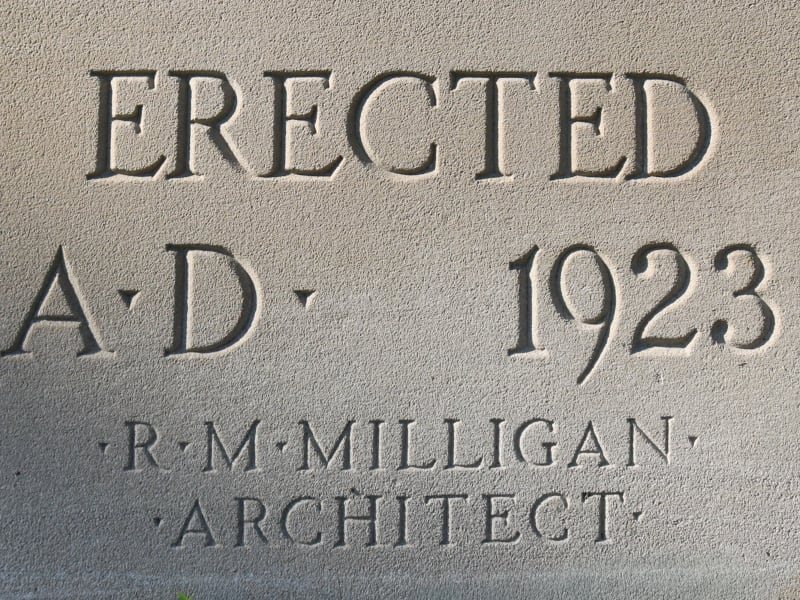
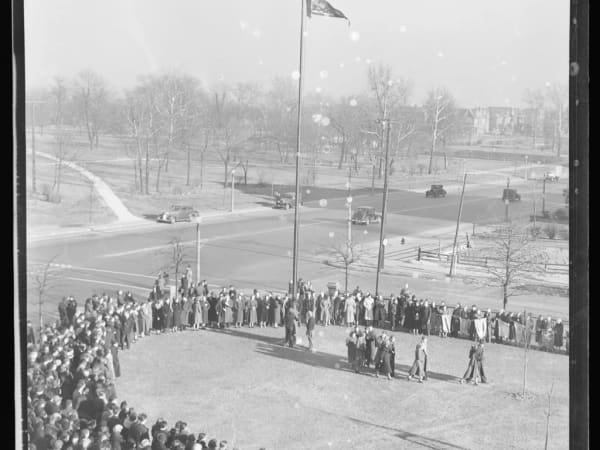
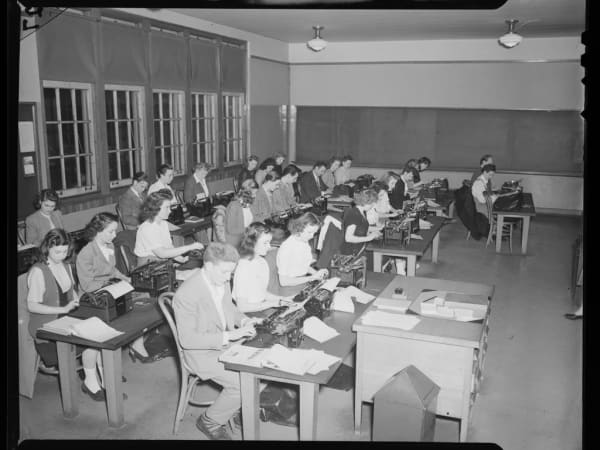
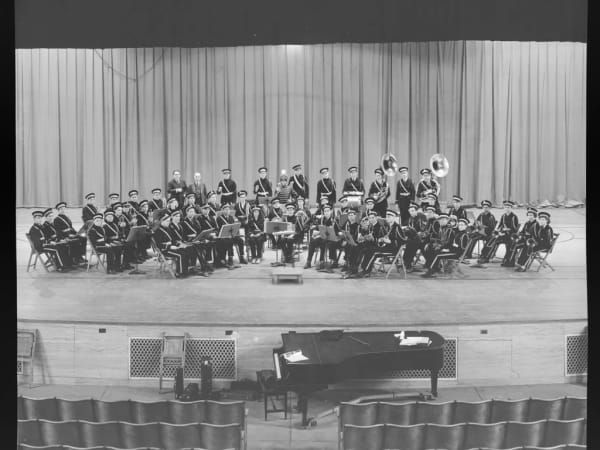
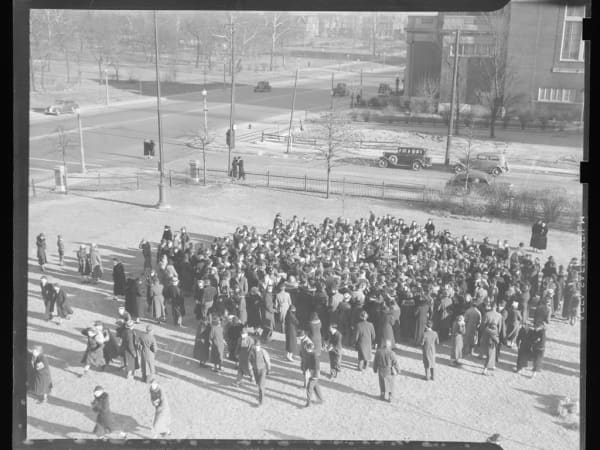
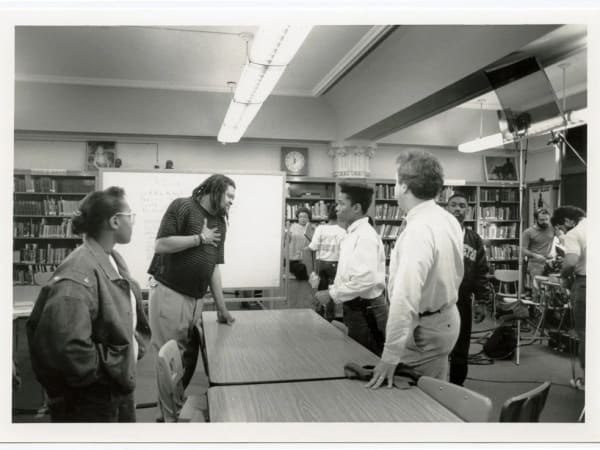
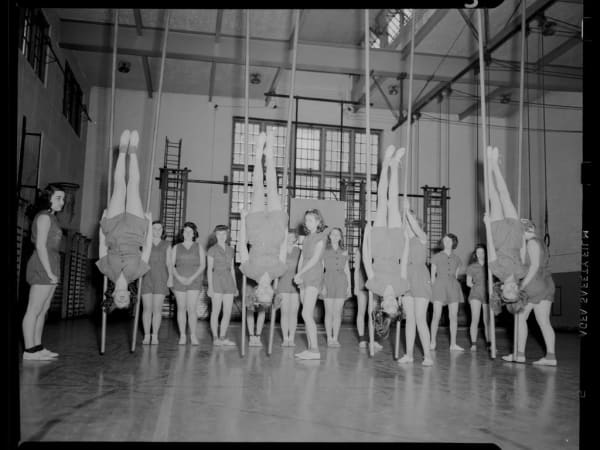
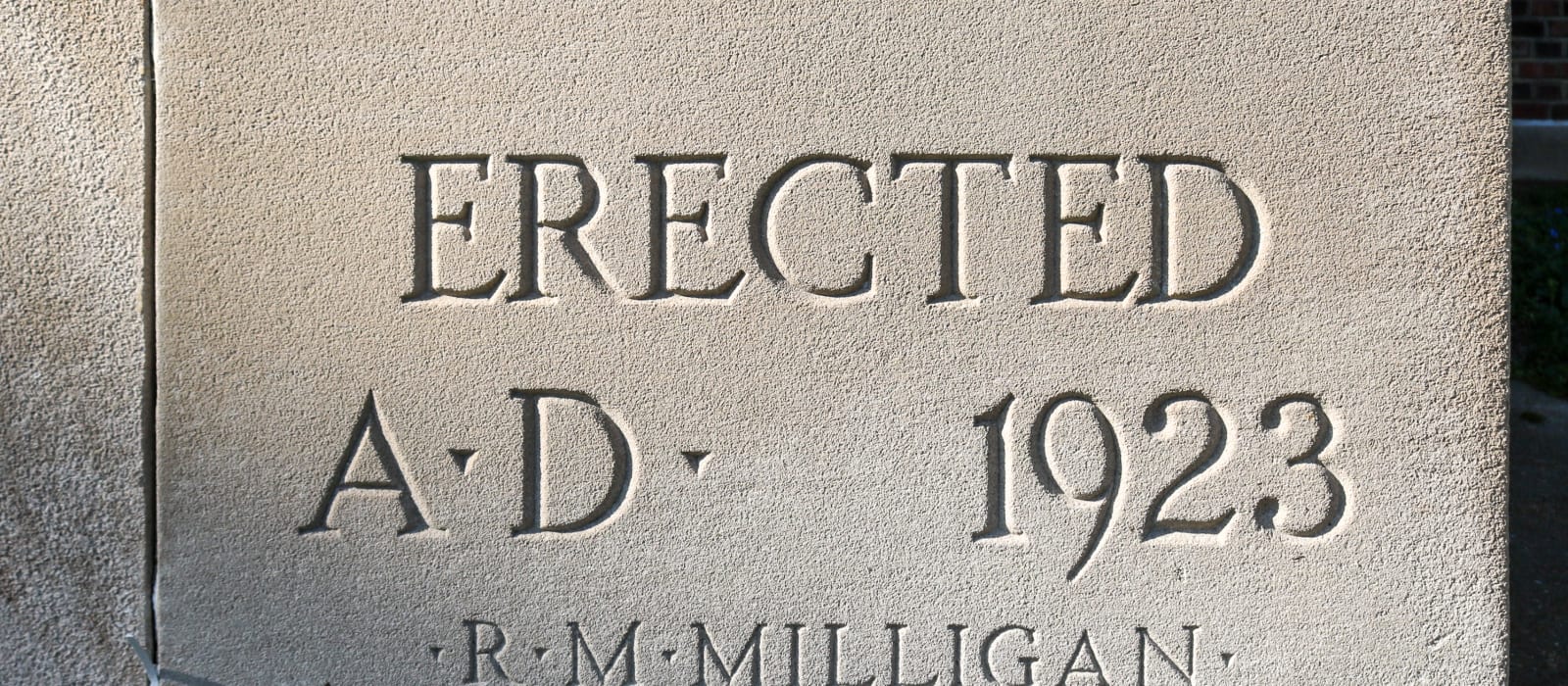
Beaumont High School opened in 1923, designed by Rockwell Milligan, who served as the architect for the St. Louis Board of Education during a period of significant expansion in the city's public school system. The school was built to serve the growing population of north St. Louis, providing secondary education to students in an area that was experiencing substantial residential development in the early twentieth century. Named after William Beaumont, the pioneering U.S. Army surgeon who conducted groundbreaking research on human digestion while stationed in St. Louis in the 1830s, the school joined a network of high schools constructed to accommodate the city's expanding student population. Throughout the mid-twentieth century, Beaumont High School established itself as a cornerstone institution in its community, educating generations of St. Louis students. The school produced notable alumni across various fields and developed strong academic and athletic programs. Like many St. Louis public schools, Beaumont experienced significant demographic shifts following the patterns of white flight and neighborhood change that reshaped the city during the 1950s and 1960s. The school transitioned from a predominantly white student body to serving the African American community that came to define the surrounding neighborhood. Beaumont High School continued to operate for decades as part of the St. Louis Public Schools system, though it faced challenges common to urban education including declining enrollment and budget constraints. The building remains standing on Natural Bridge Avenue, a testament to the city's early twentieth-century investment in public education infrastructure, though its operational status has fluctuated with the ongoing consolidation efforts within the district.