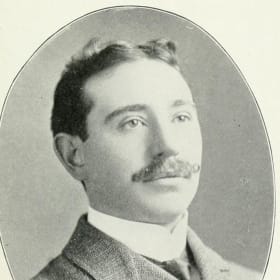
Albert B. Groves
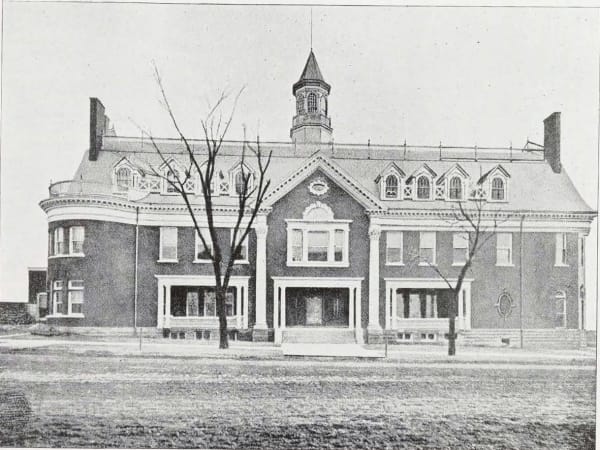
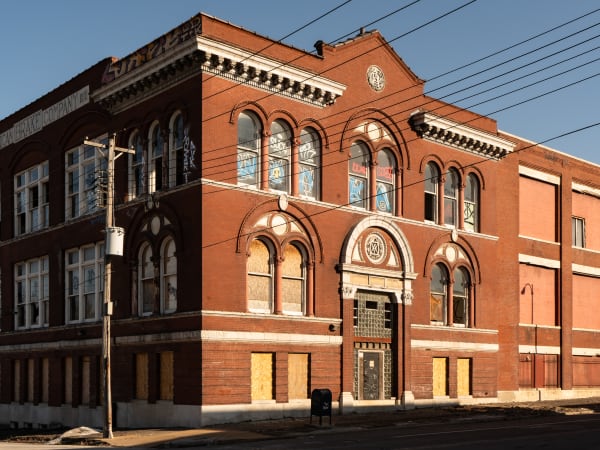
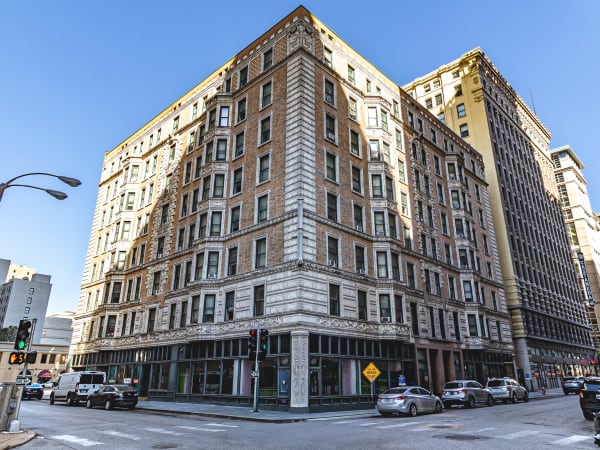
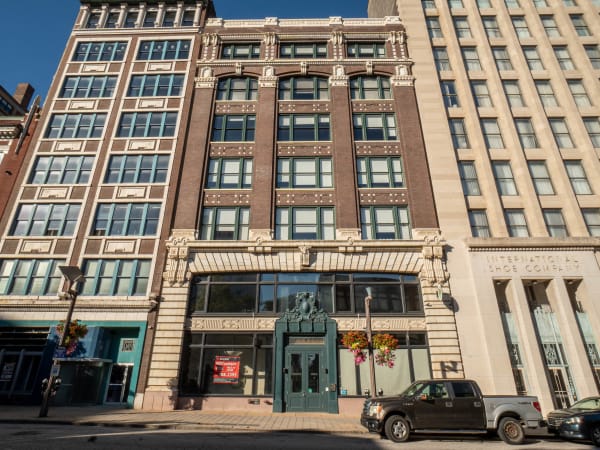
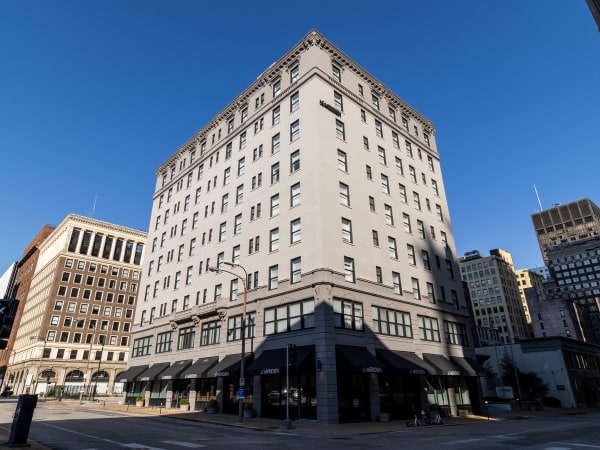
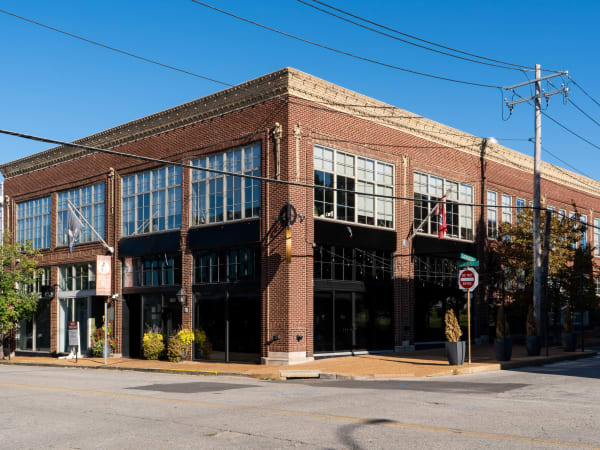
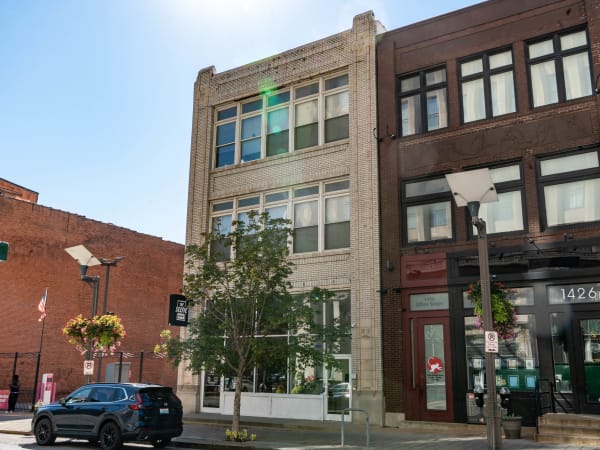
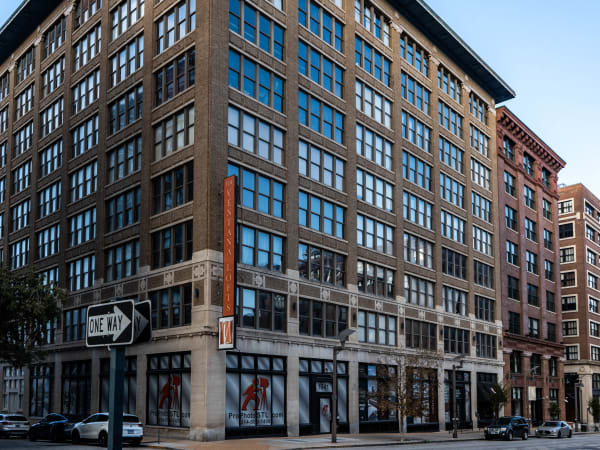
Albert Bartleton Groves (1868-1925) was born in Providence, Rhode Island, on December 8, 1868, finished high school in Rome, New York, and earned bachelor's degrees in science and architecture at Cornell University in 1888. He spent two years in the Denver office of Frank E. Edbrooke and two more traveling and studying in France and Italy, then began practice in St. Louis in 1891 in the firm of Grable, Weber and Groves. Two years later he bought out his partners and took August Weber back as his partner in Weber and Groves, which lasted until Weber died in May 1905. From then on he practiced under his own name. Groves worked in nearly every building type. He designed houses in the private places, churches (eighteen in the area by 1921, among them Union Avenue Christian Church and Westminster Presbyterian), hotels such as the Maryland (1907) and the Majestic (1913), City Hospital (1912), and offices including the Monogram Building (1910) and the Missouri State Life Insurance Company Building (1915). He also made a specialty of plain, efficient concrete and brick factory and loft buildings, and Washington Avenue is full of them. For the shoe, hat, garment and dry goods trades he designed the Drygoodsman Building, the White-Branch-Shelton Hat Company Building, the King-Brinsmade Mercantile Company Building, the East Bank Building, the Advertising Building, the Central Shoe Company Building and others along the avenue. Beyond it came the B. F. Goodrich building on Locust Street's automobile row (1914), the Emerson Electric Company Building (1920) and factories for the Brown Shoe Company. With Eames and Young he was associate architect of the New Masonic Temple, finished in 1926, the year after his death. Groves served on the city's Public Buildings Commission in 1904-05 and was a Mason and Knight Templar. His son Theron A. Groves also became an architect.