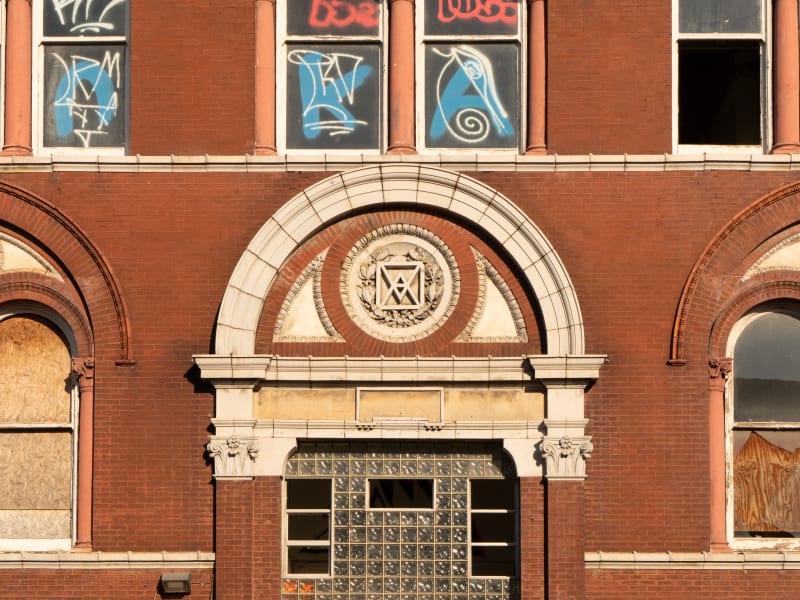
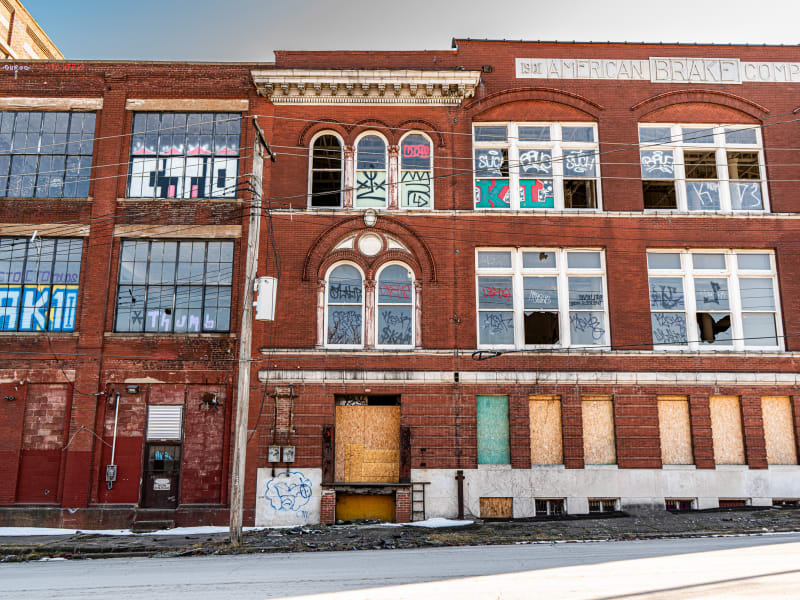
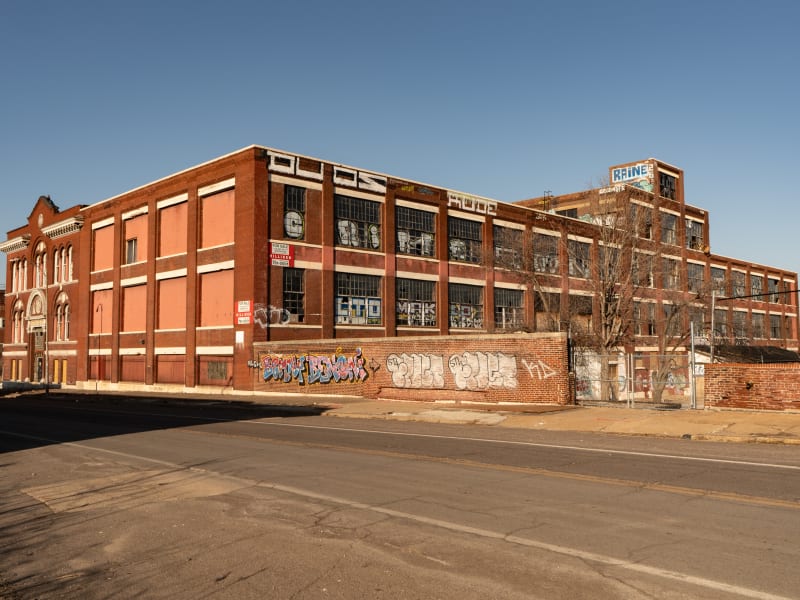
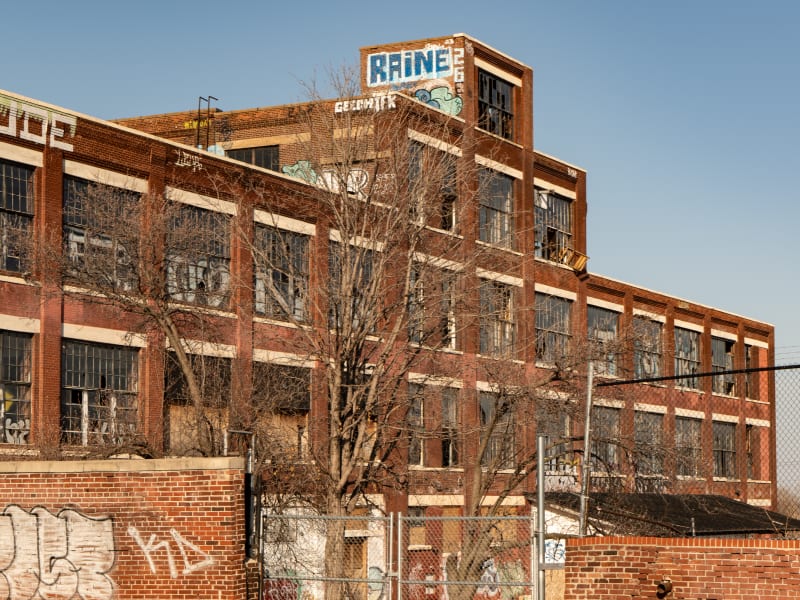
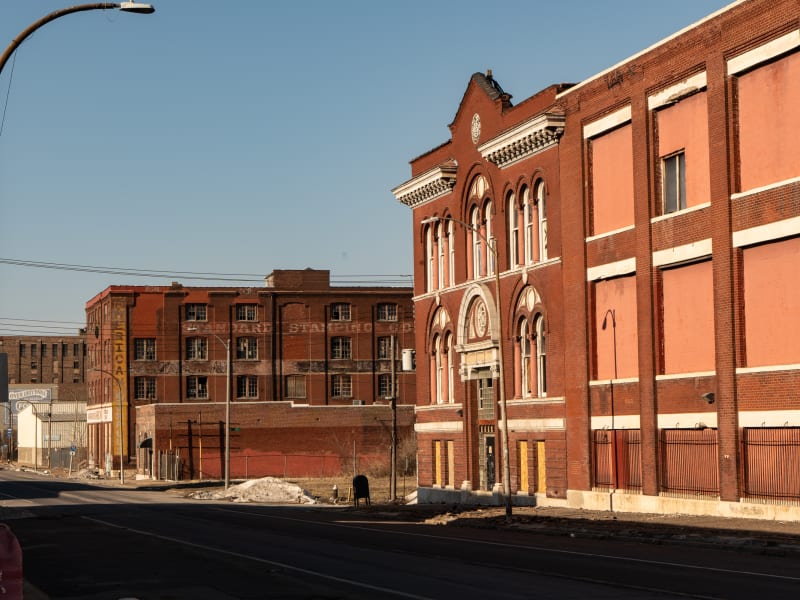
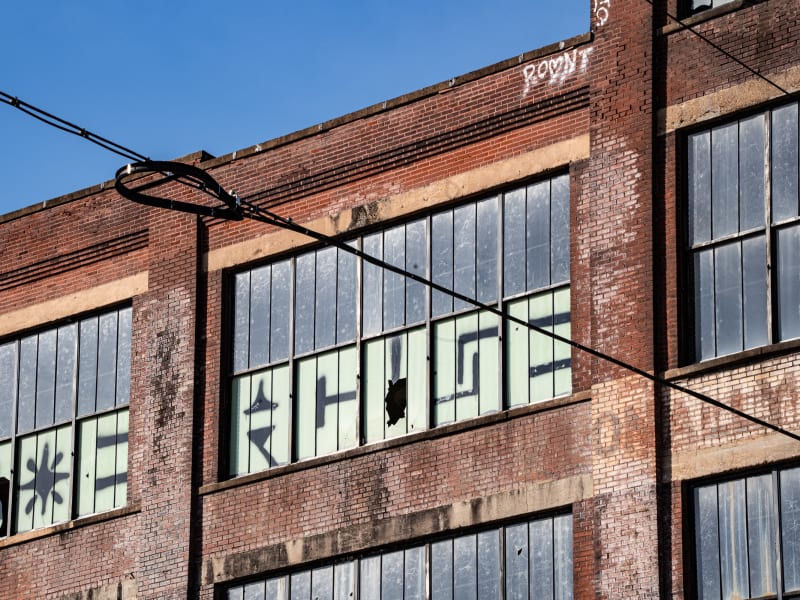
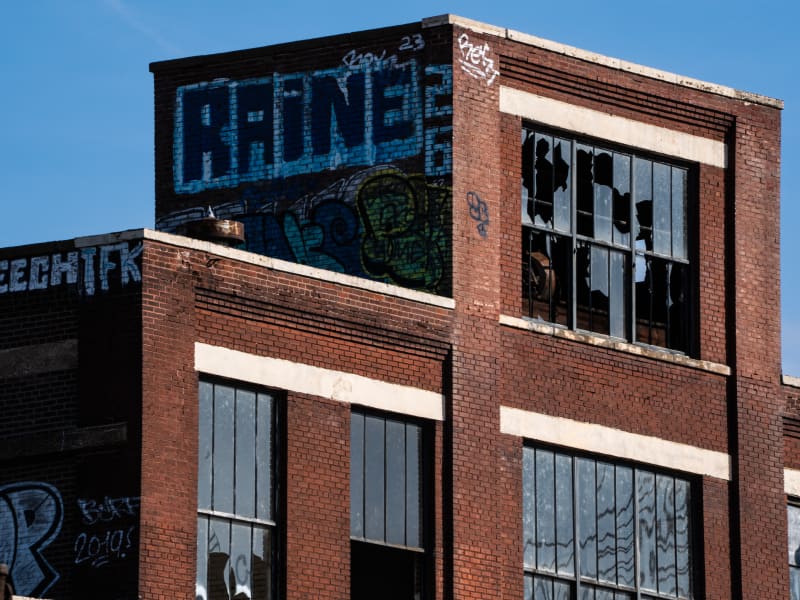
The American Brake Company building, completed in 1901, stands as a significant example of early 20th-century industrial architecture in St. Louis's Near North Riverfront district. Designed by architects Albert B. Groves and August Weber, this landmark reflects the city's prominence as a manufacturing hub during its industrial heyday. The building's enduring presence along North Broadway speaks to the substantial construction methods typical of the era's commercial and industrial facilities.
The American Brake Company building, completed in 1901, stands as a testament to St. Louis's industrial prominence at the turn of the twentieth century. Designed by architects Albert B. Groves and August Weber, the structure was built to serve the booming railroad industry that had made St. Louis one of America's most important transportation hubs. The American Brake Company manufactured braking systems and related equipment essential to the safe operation of the freight and passenger trains that crisscrossed the nation, and its location along North Broadway placed it strategically within the city's industrial corridor near the riverfront. The building's robust construction reflects the demanding nature of heavy manufacturing operations of the era, with substantial masonry walls and large windows designed to provide natural light for factory workers. Groves and Weber, both active architects in St. Louis during this period, created a facility that balanced functional industrial needs with the architectural dignity expected of successful American companies. The Near North Riverfront neighborhood where the building sits was once dense with similar manufacturing concerns, warehouses, and related businesses that formed the backbone of the city's economy. Today, the American Brake Company building remains standing, a survivor among many industrial structures that have been lost to demolition or neglect over the decades. While the railroad equipment manufacturing industry that gave rise to the building has long since declined, the structure endures as a landmark of St. Louis's industrial heritage and a reminder of the era when the city ranked among the nation's leading manufacturing centers.