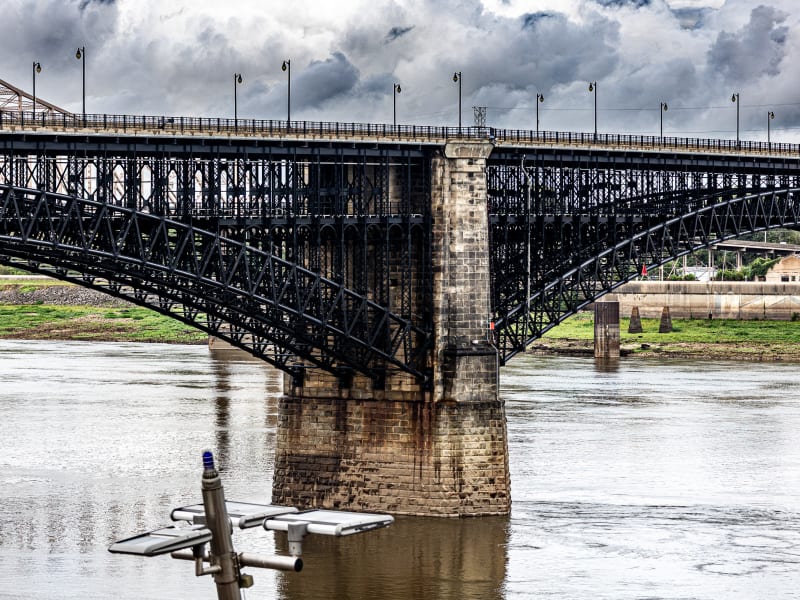
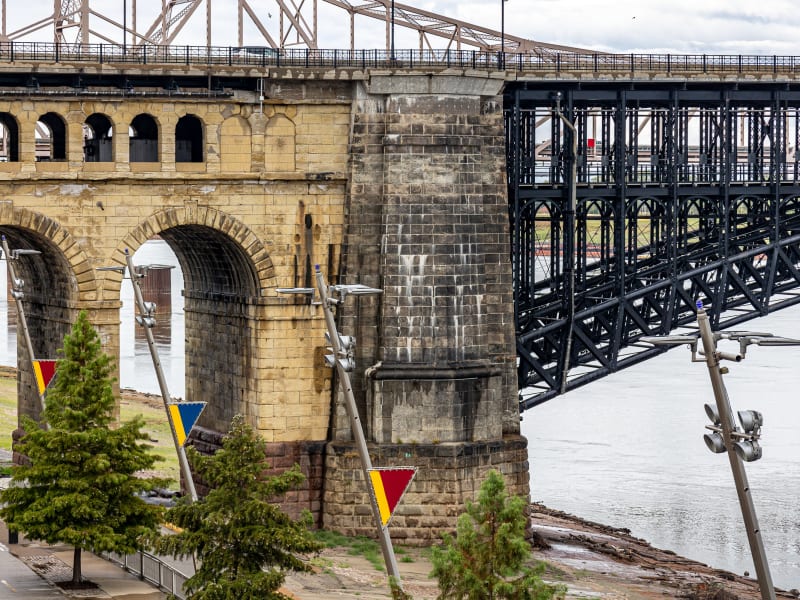
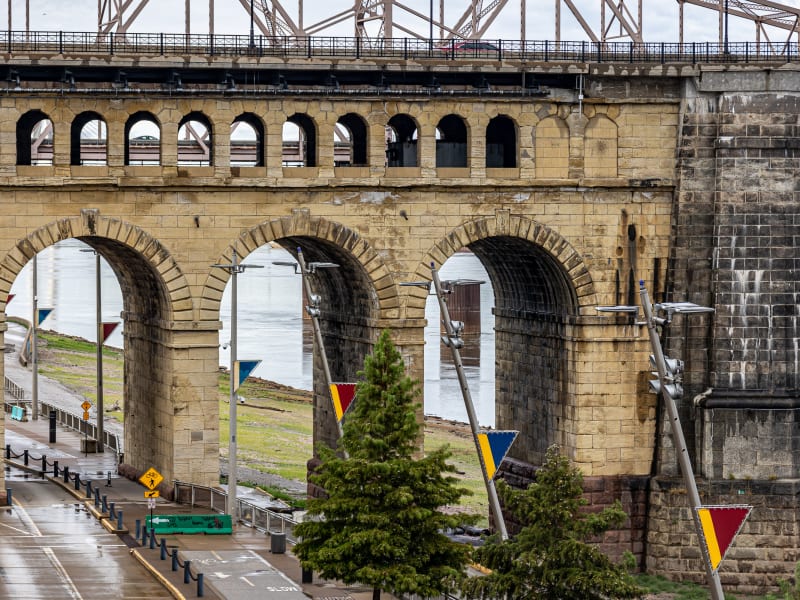
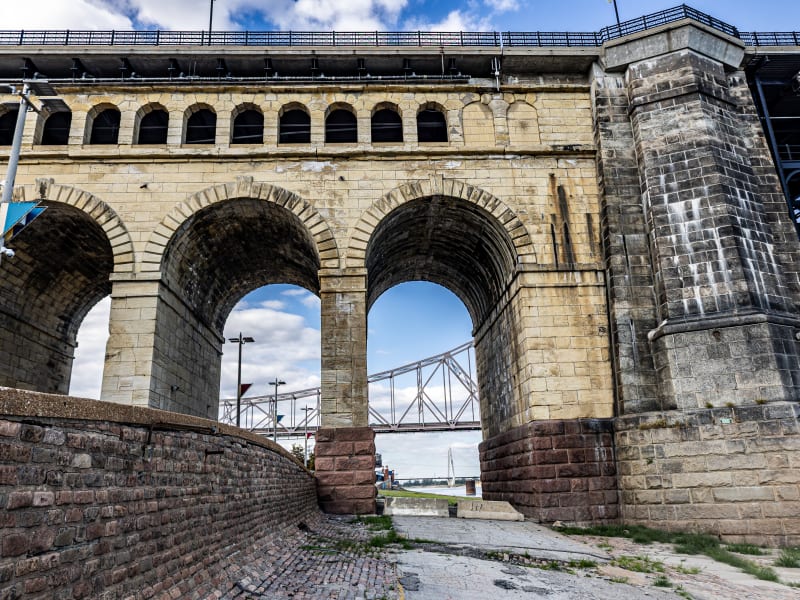
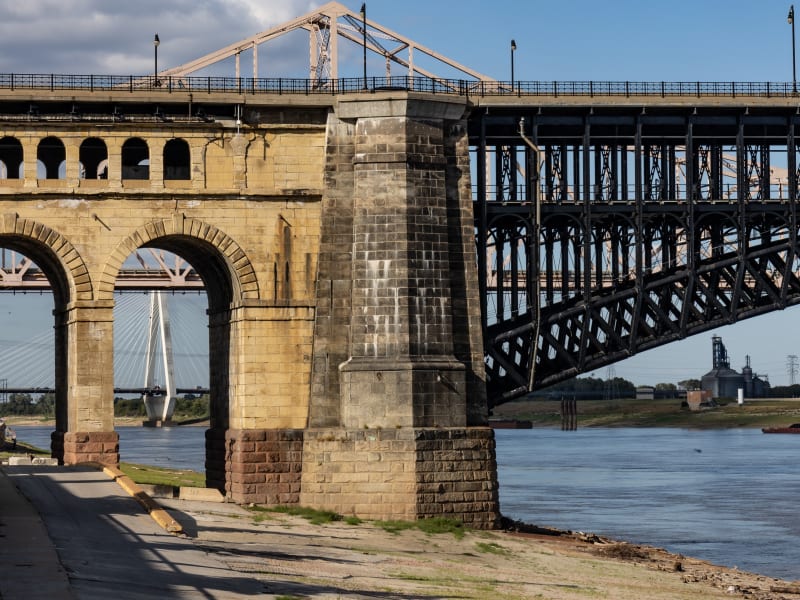
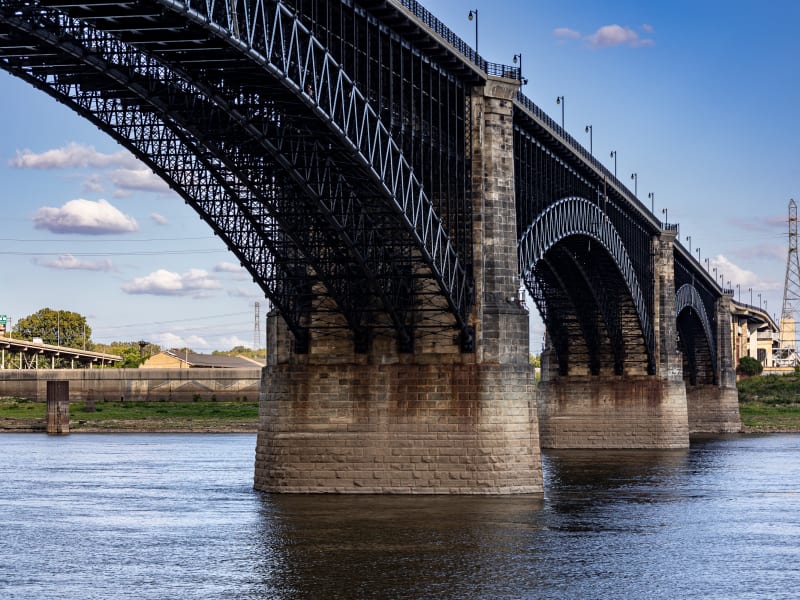
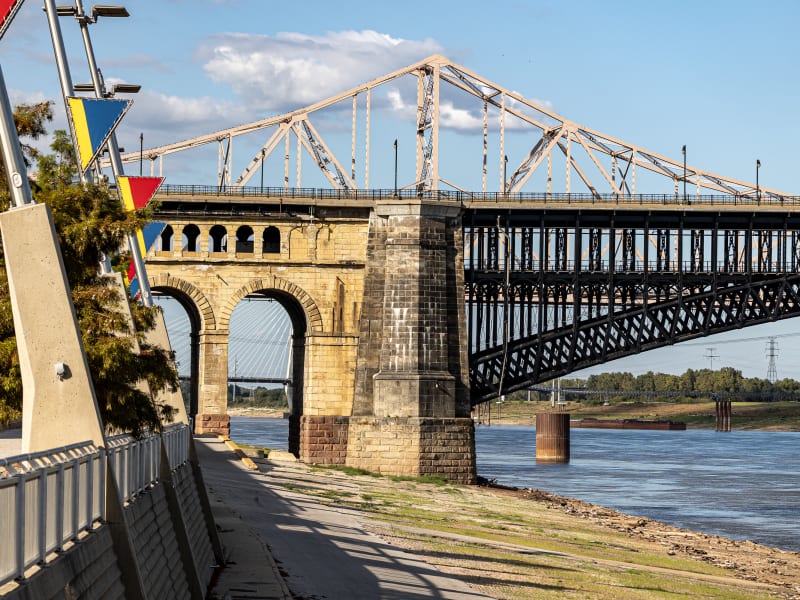
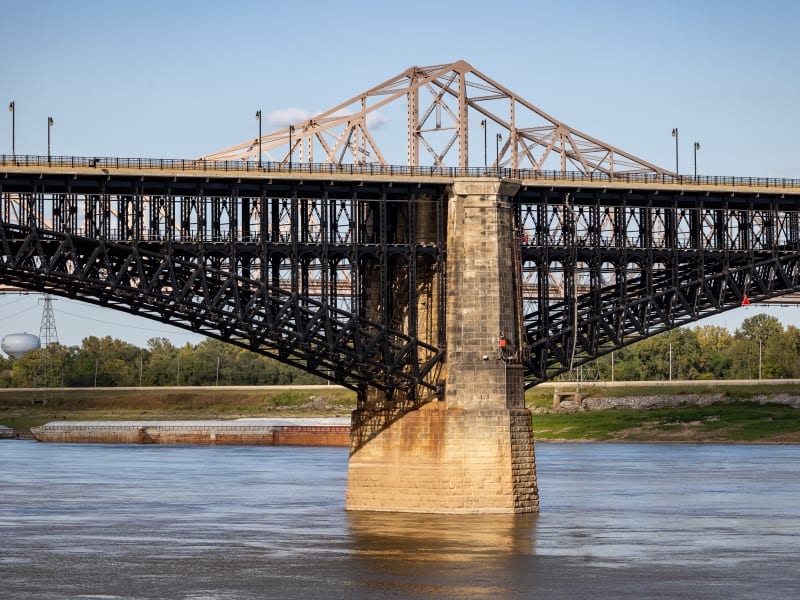
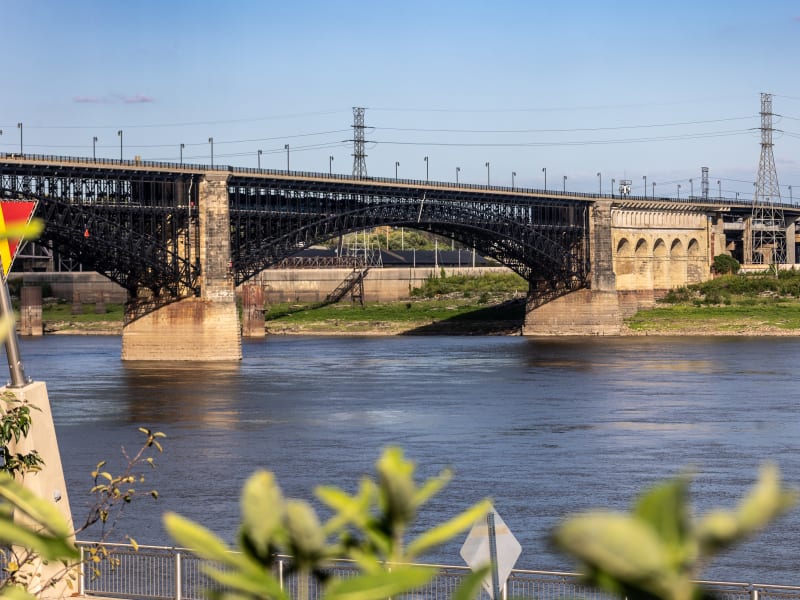
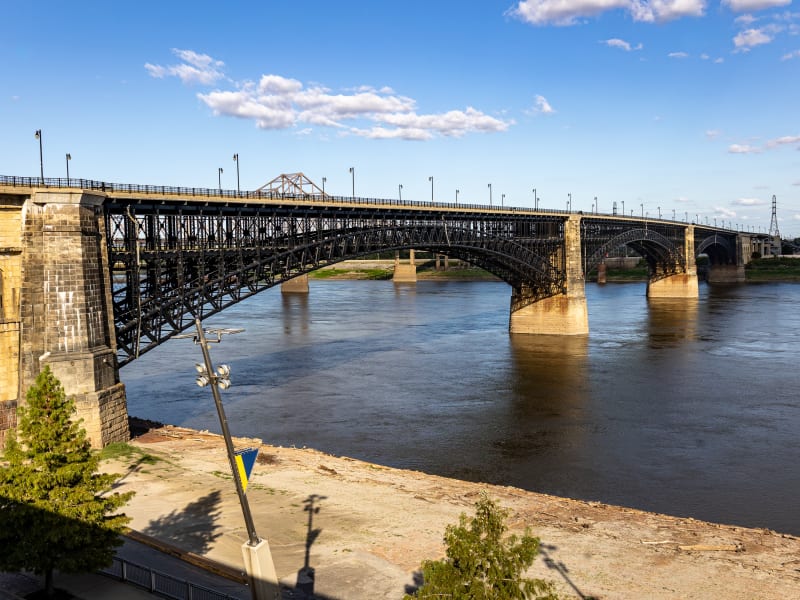
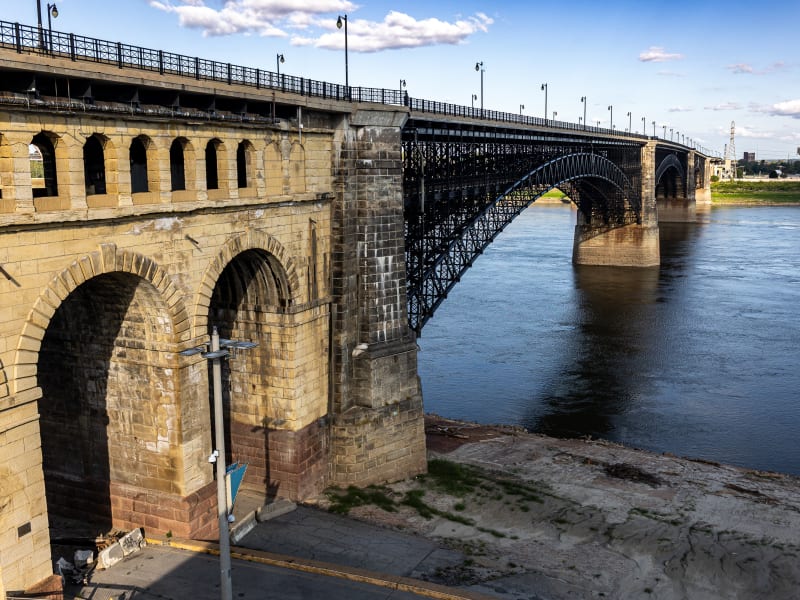
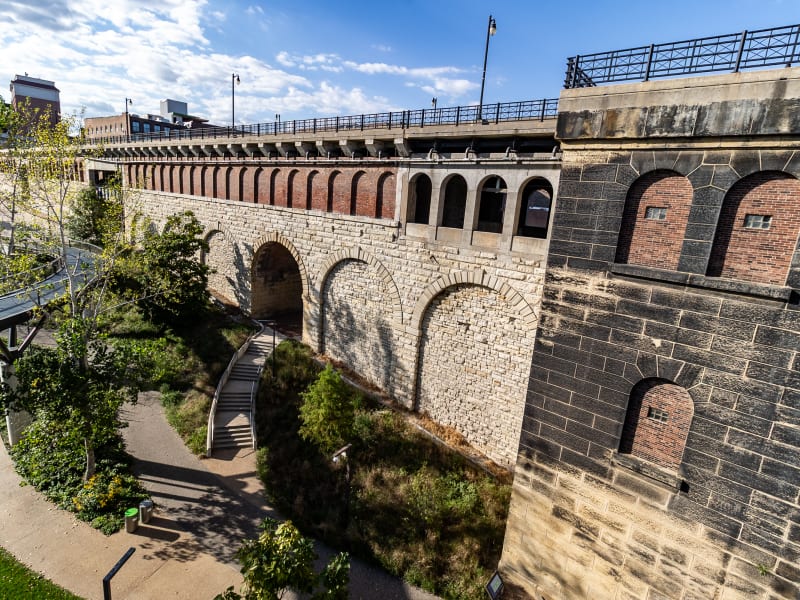
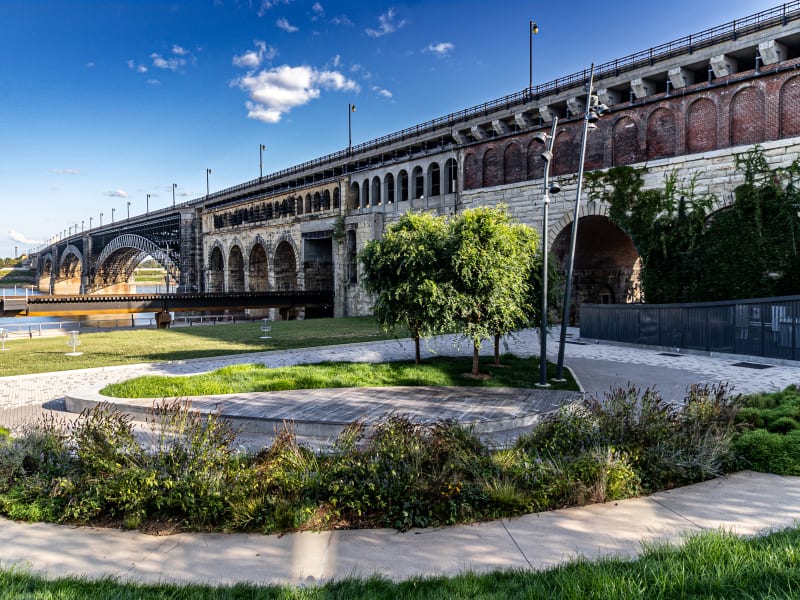
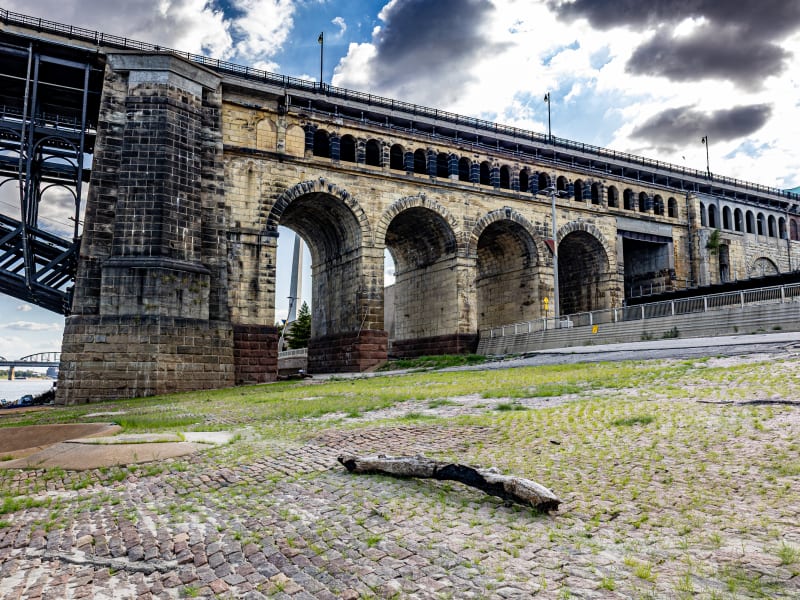
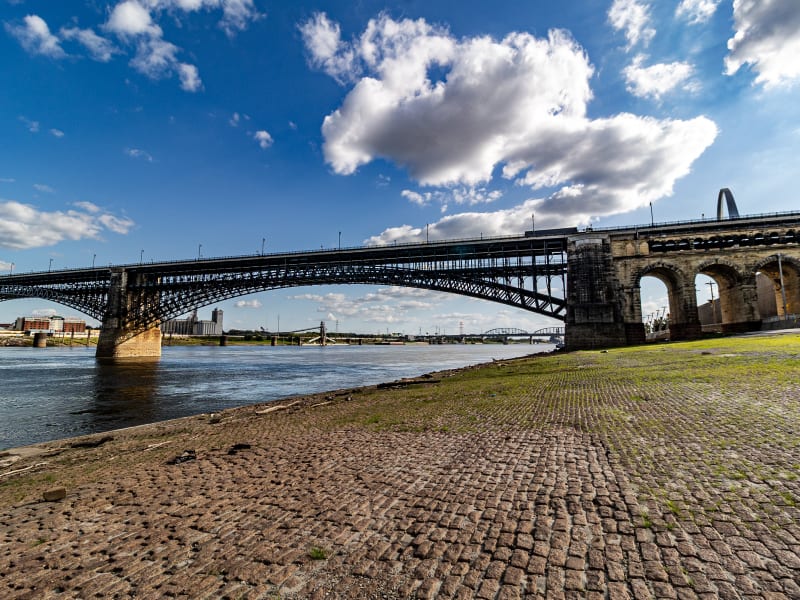
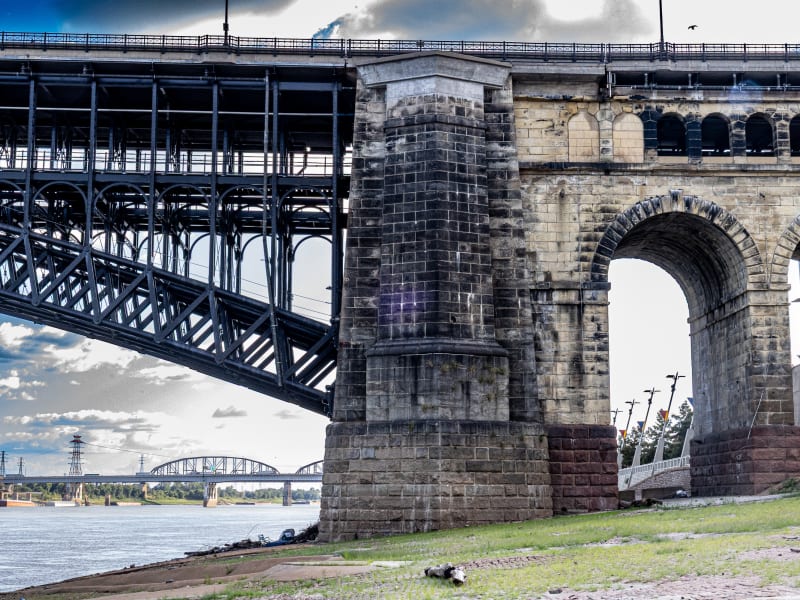
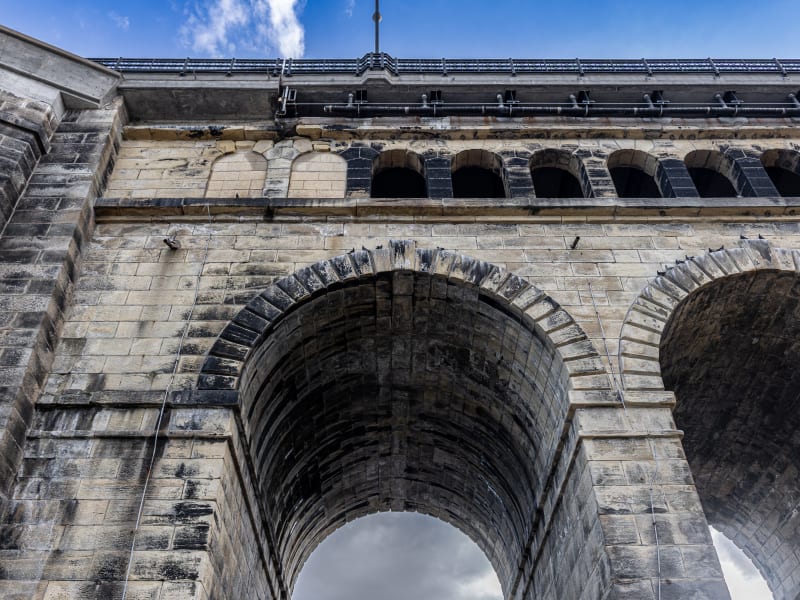
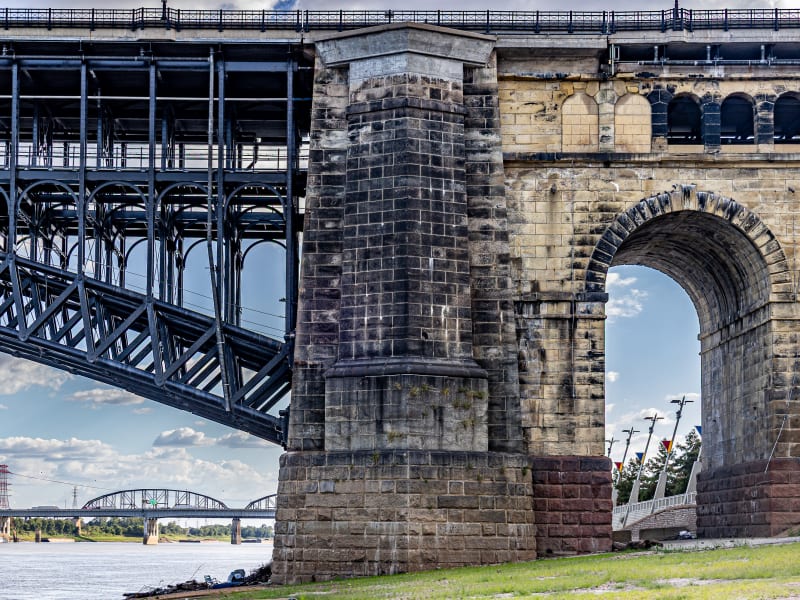
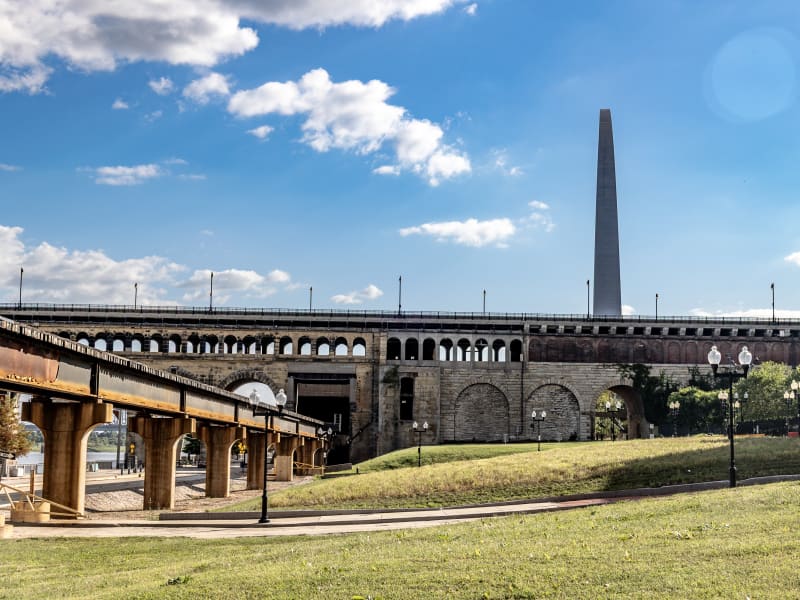
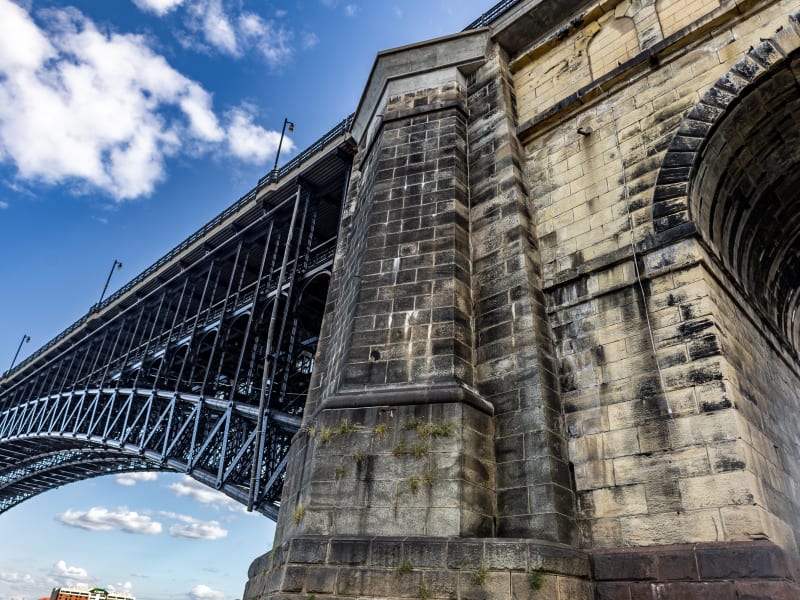
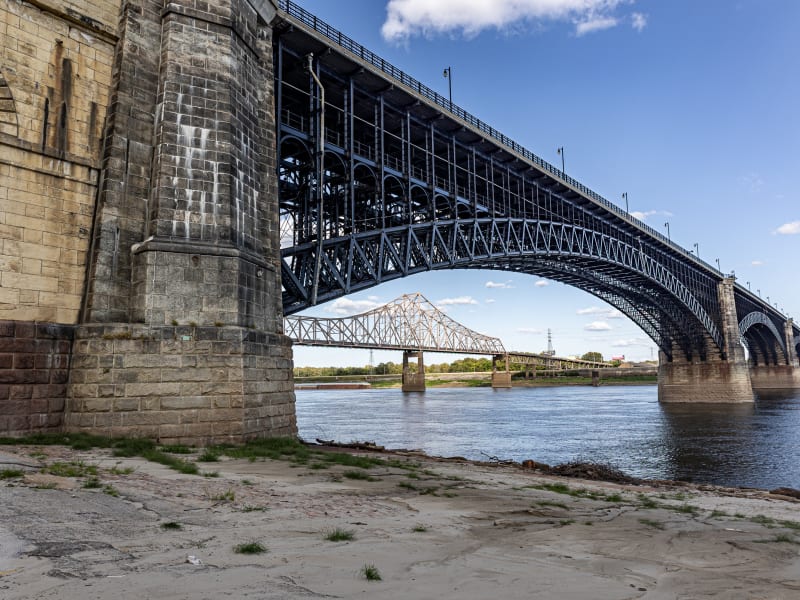
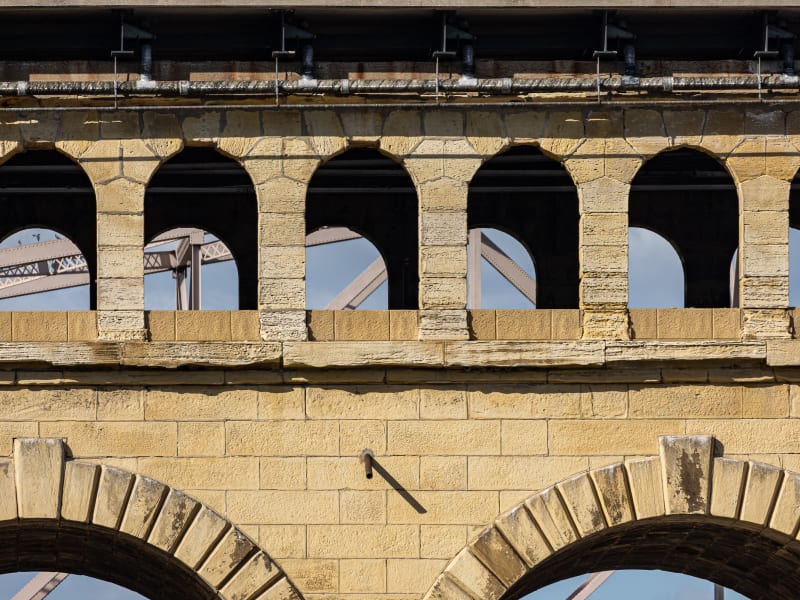
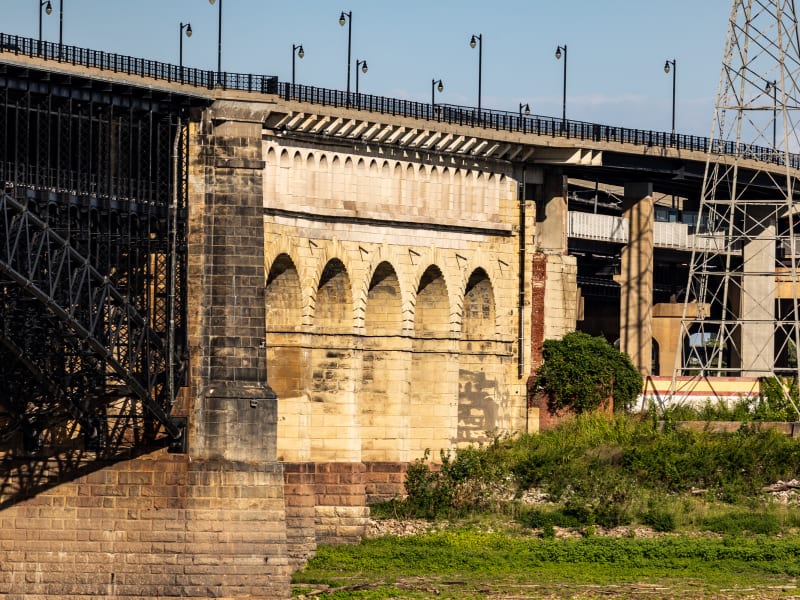
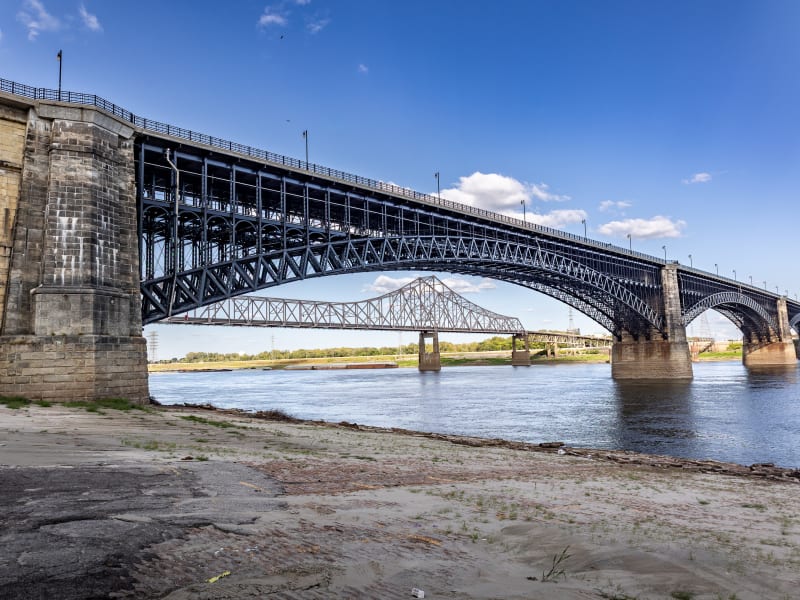
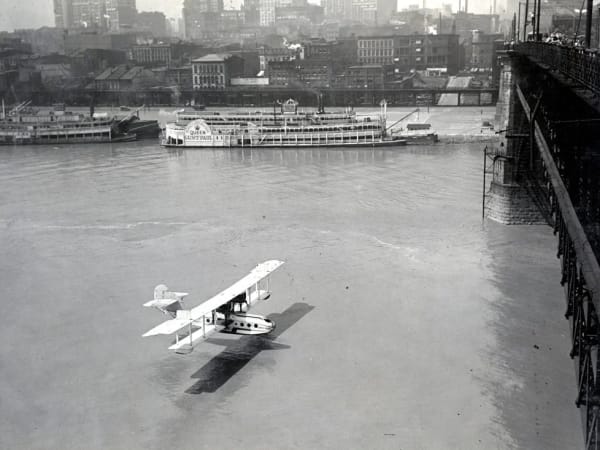
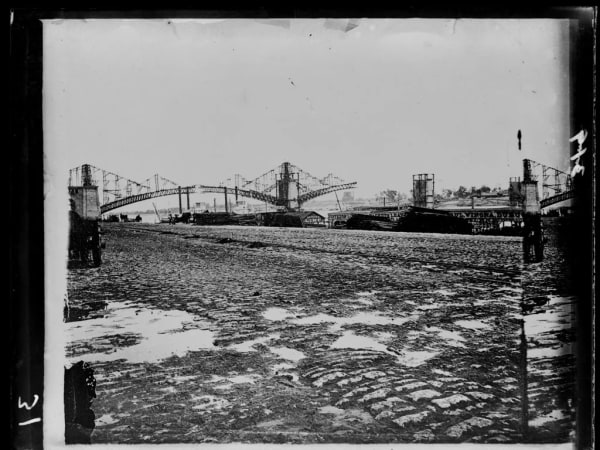
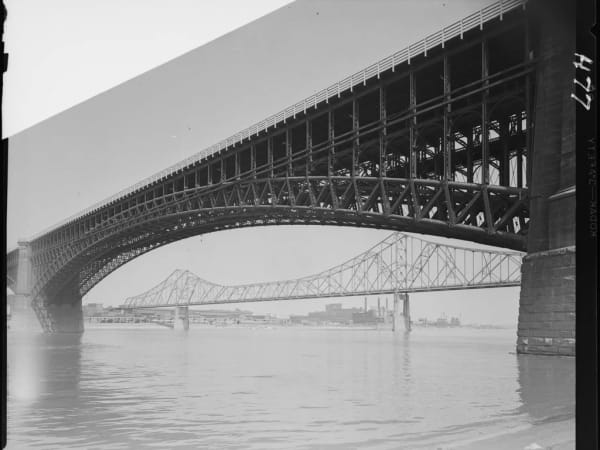
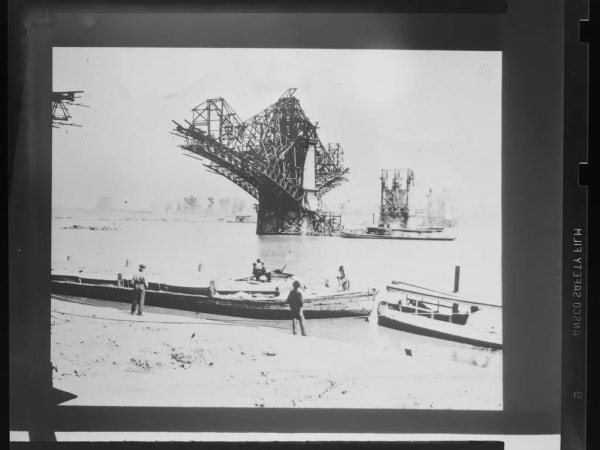
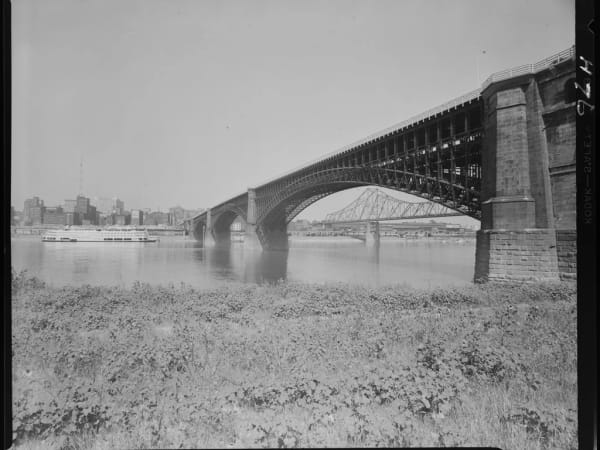
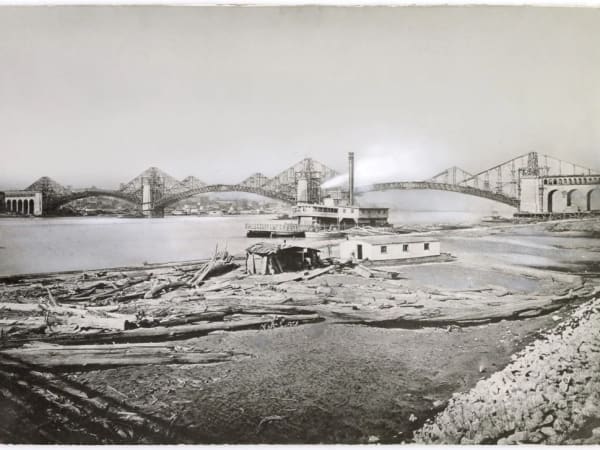
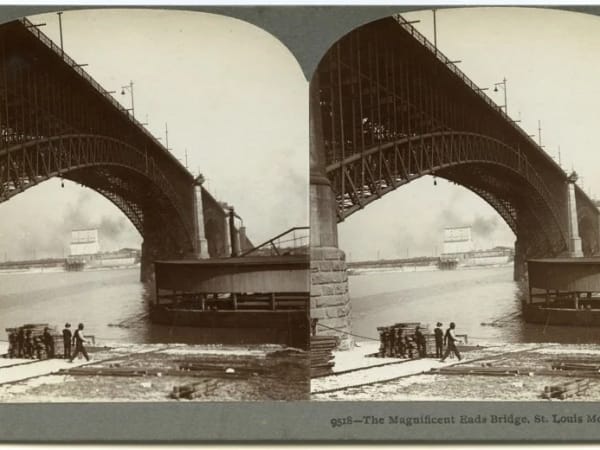
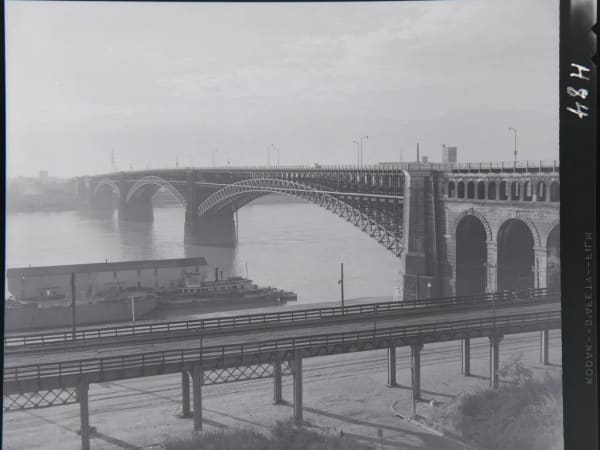
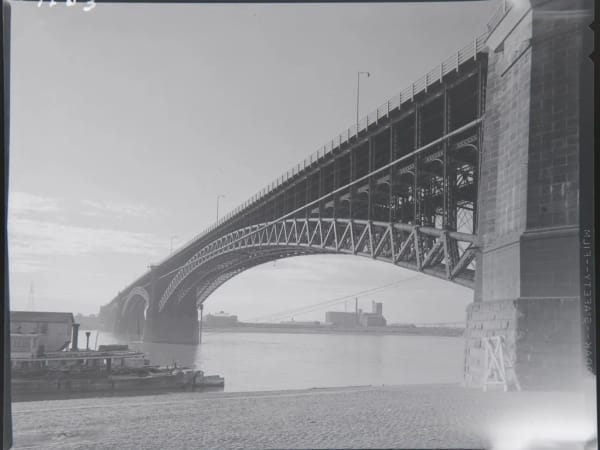
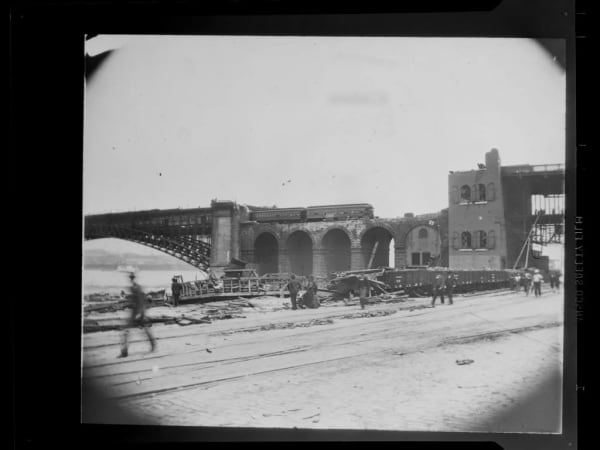
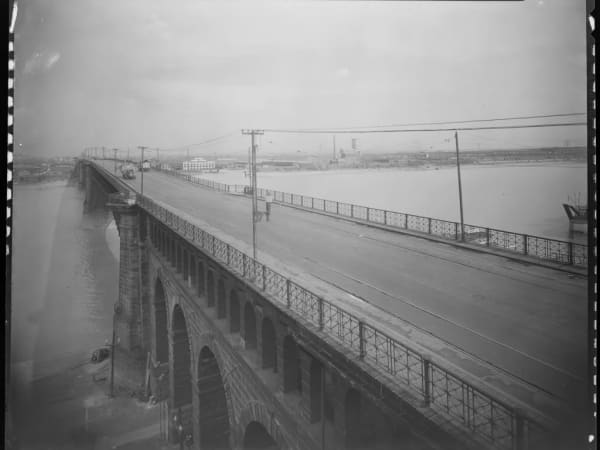
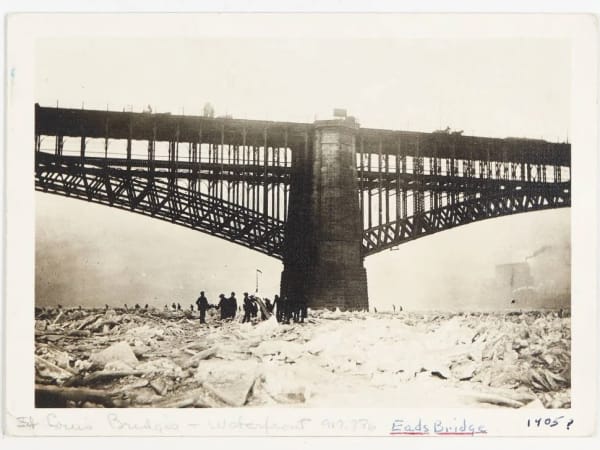
The first steel truss bridge in the world, the Eads Bridge spans the Mississippi River connecting St. Louis to East St. Louis, Illinois. Designed by self-taught engineer James Buchanan Eads, it stands as one of the great engineering achievements of the 19th century and remains an enduring symbol of St. Louis.
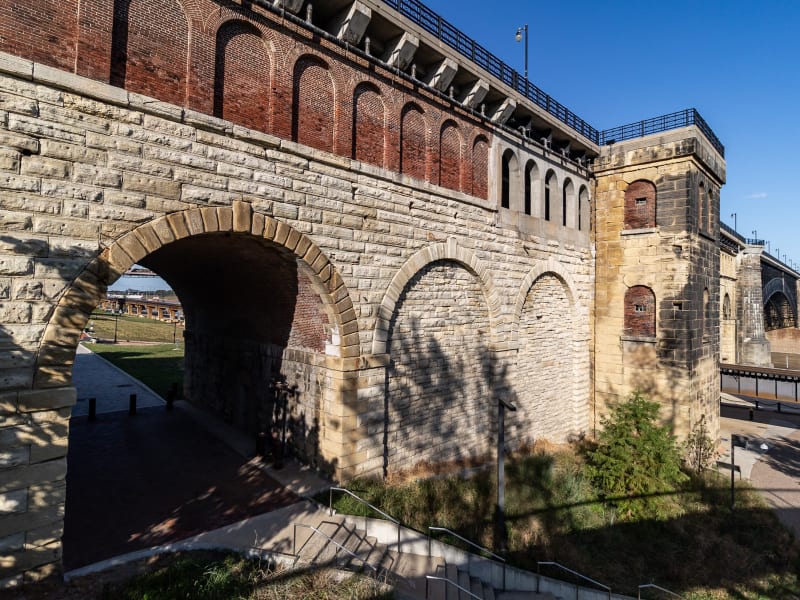
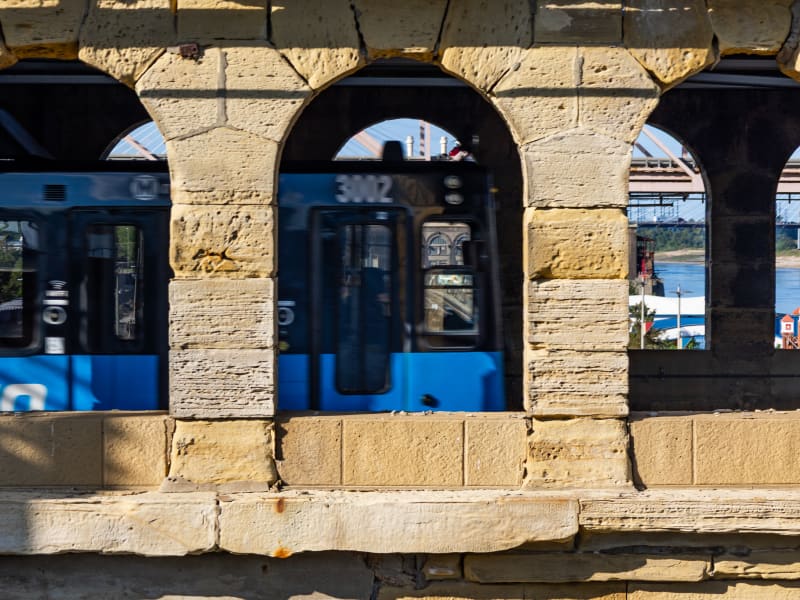
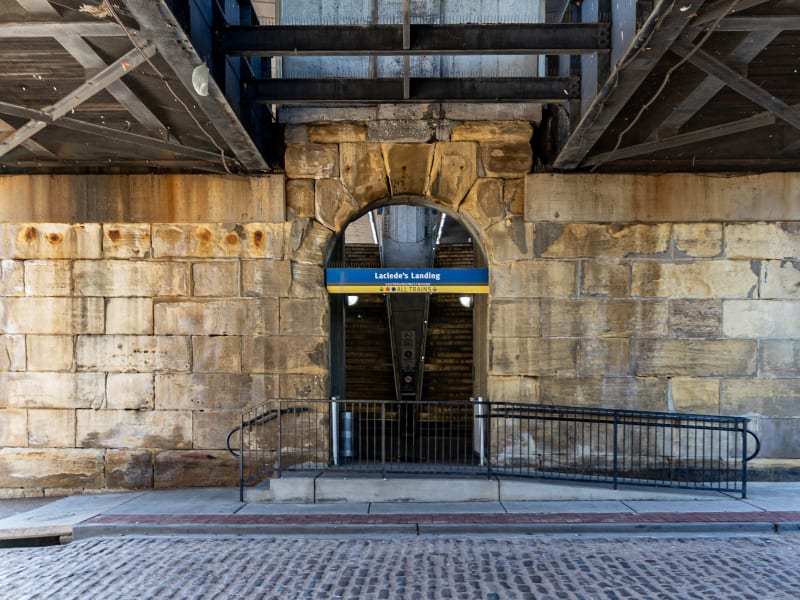
Completed in 1874, the Eads Bridge was a triumph of American ingenuity and ambition. James Buchanan Eads — who had no formal engineering training — pioneered the use of steel as a primary structural material at a time when iron dominated bridge construction. To sink the foundations into bedrock 136 feet beneath the river, Eads employed pneumatic caissons, a technique that caused many workers to suffer from decompression sickness, then poorly understood and called "caisson disease." The bridge's three graceful arched spans — the longest measuring 520 feet — carried rail traffic on the lower deck and horse-drawn vehicles on the upper deck. At the time of its completion it was the longest bridge in the world. The bridge played a pivotal role in St. Louis's position as gateway to westward expansion. Today it carries MetroLink light rail on the lower deck and is open to pedestrians and cyclists above. It was designated a National Historic Landmark in 1964.