Isaac Taylor
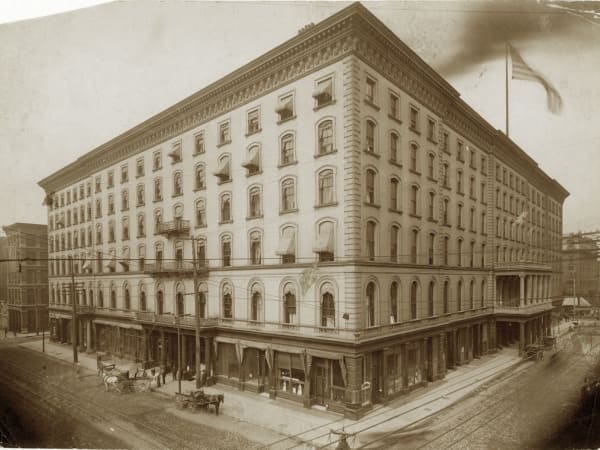
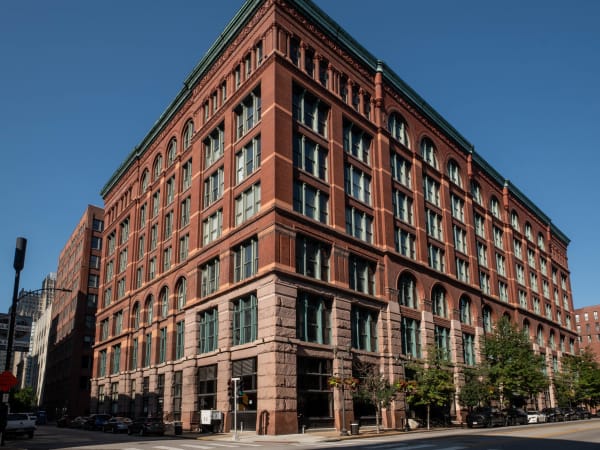
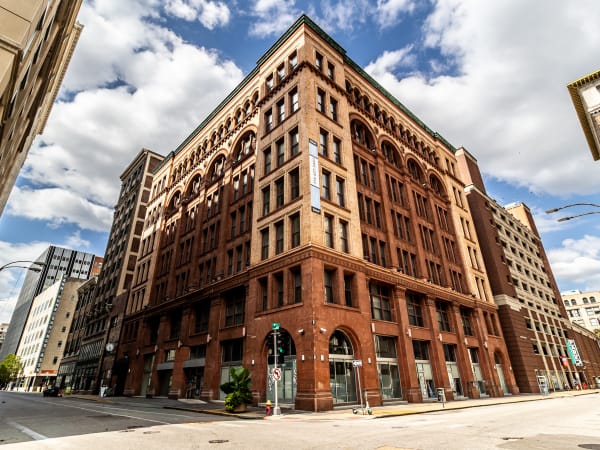
Isaac Taylor was among the prominent architects practicing in St. Louis during the final decades of the nineteenth century, a period of rapid commercial and institutional expansion in the city. While details of his formal training remain obscure, his surviving body of work demonstrates a command of the substantial masonry commercial style that defined American urban centers in the years before steel-frame construction became standard. His commissions during the late 1880s and early 1890s placed him at the center of the city's building boom, designing structures for major commercial and civic clients. Taylor's documented work reveals an architect trusted with significant commissions across multiple building types. The Meyer Brothers Drug Company building of 1889 served one of the region's major pharmaceutical wholesalers, while his 1892 Globe-Democrat Building housed one of St. Louis's most influential newspapers—a commission that would have carried considerable prestige. His 1893 Board of Education Building represented an important civic project, suggesting his reputation extended beyond commercial work to public institutional architecture. That two of these three documented buildings have been demolished reflects the broader patterns of urban renewal and commercial redevelopment that erased much of nineteenth-century St. Louis. Beyond these specific commissions, the arc of Taylor's career and the full scope of his practice remain difficult to trace. His concentration of major work in the 1889–1893 period indicates he was at the height of his professional activity during these years, but whether this represents a longer career or a relatively brief period of prominence is unclear from available records. His contribution to St. Louis lies in the institutional and commercial buildings that helped shape the city's downtown during a transformative era of growth.