Lynch's Slave Pen (Fifth and Myrtle)
No photograph of the pen building is known. What survived into the 1960s were four cells in the basement of a later warehouse on the corner, with brick and stone walls and no windows, light, ventilation or sanitary facilities.
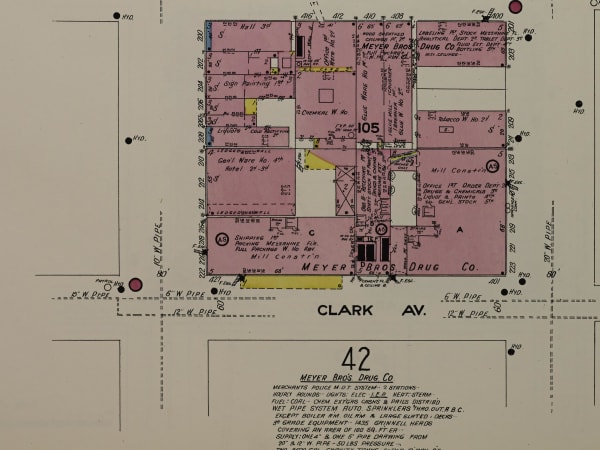
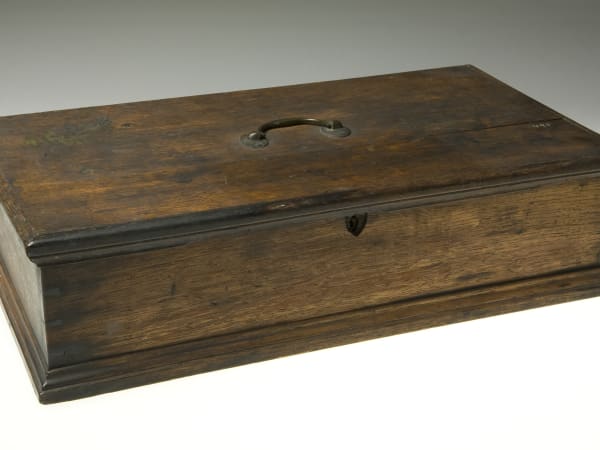
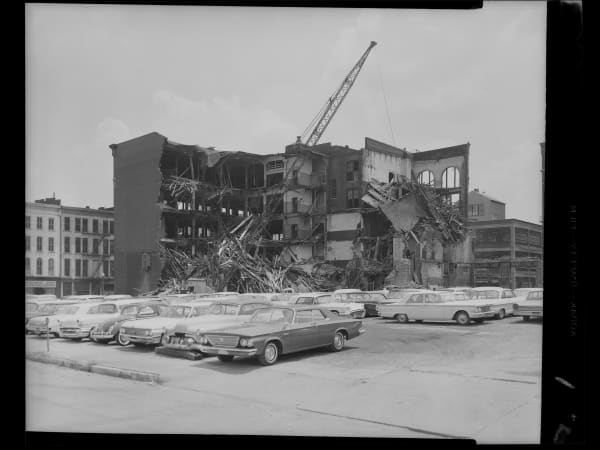
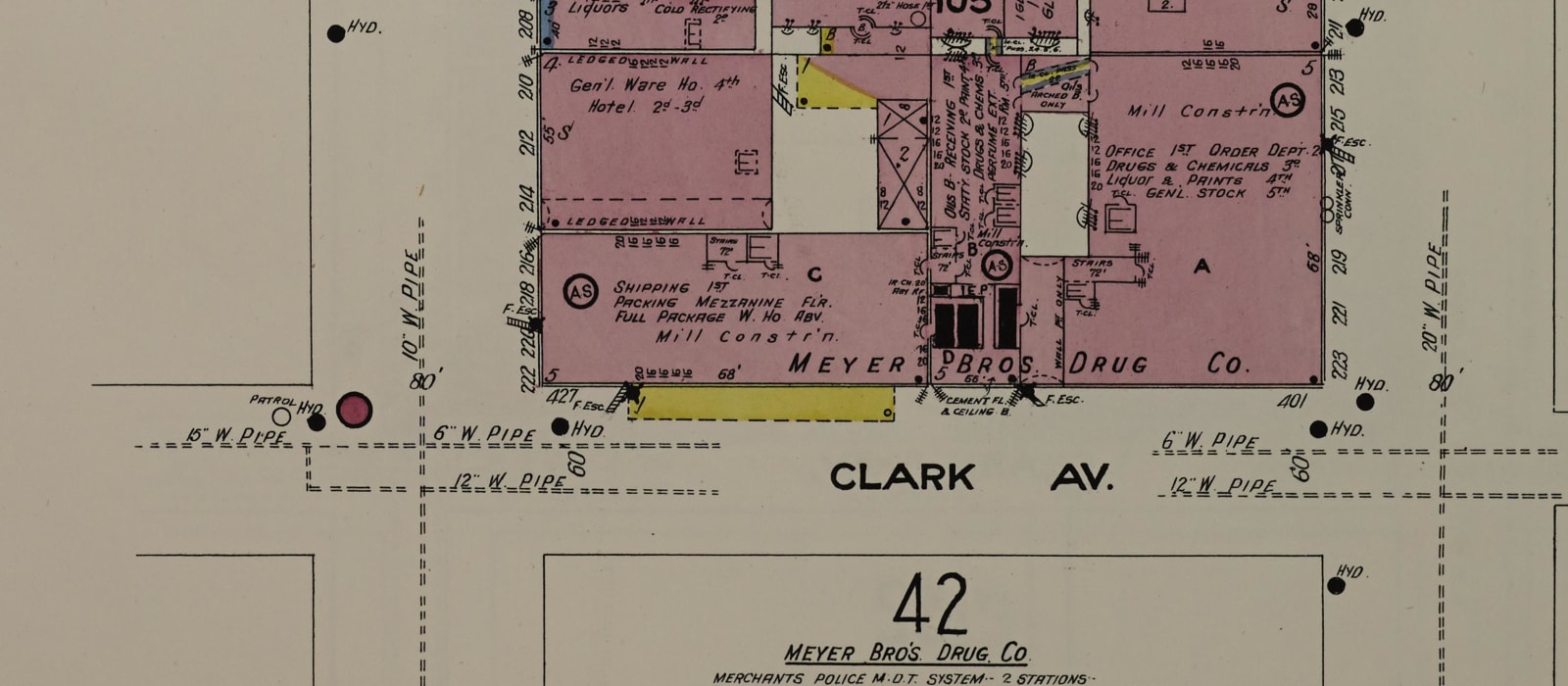
Bernard M. Lynch, St. Louis's leading slave trader, outgrew his pen on Locust Street and bought a building at the northeast corner of Fifth and Myrtle streets in 1859, opening his last and largest slave pen there by 1860. Enslaved people were held there for sale, many of them shipped down the Mississippi to markets in Memphis, Natchez and New Orleans. Galusha Anderson, pastor of Second Baptist Church, saw children from about five to sixteen years old held for sale at the corner of Fifth and Myrtle, and watched a girl of about sixteen sold at auction. When the Civil War began Lynch fled to Louisiana. In September 1861 the Union army seized the pen, and it became the Myrtle Street Prison, holding Confederate soldiers, civilians accused of supporting the Confederacy, and Union soldiers. Lynch's oak cash box was recovered from his office when the army took the building. The Meyer Brothers Drug Company later covered the block between Fifth (Broadway) and Fourth, Elm and Clark, with warehouses. Four of the pen's cells survived in a basement there until February 1963, when the Post-Dispatch reported them; the buildings were torn down that year for the downtown Busch Stadium and its garages. A marker placed by the Chamber of Commerce's Young Men's Division was lost in the demolition and never replaced. In 2026 a bronze plaque was installed on the Stadium East garage at Broadway and Clark, after a five-year effort begun by state representatives Trish Gunby and Rasheen Aldridge Jr.