Boatmen's Bank Building
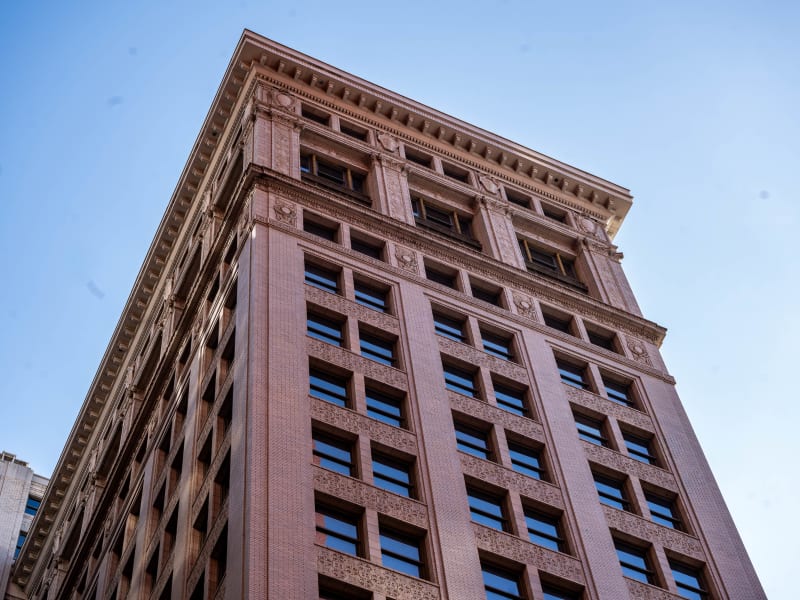
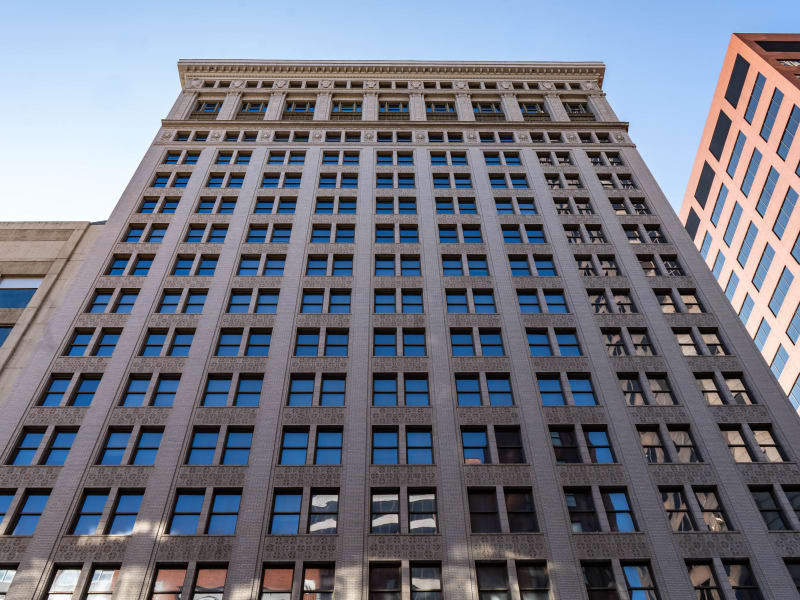
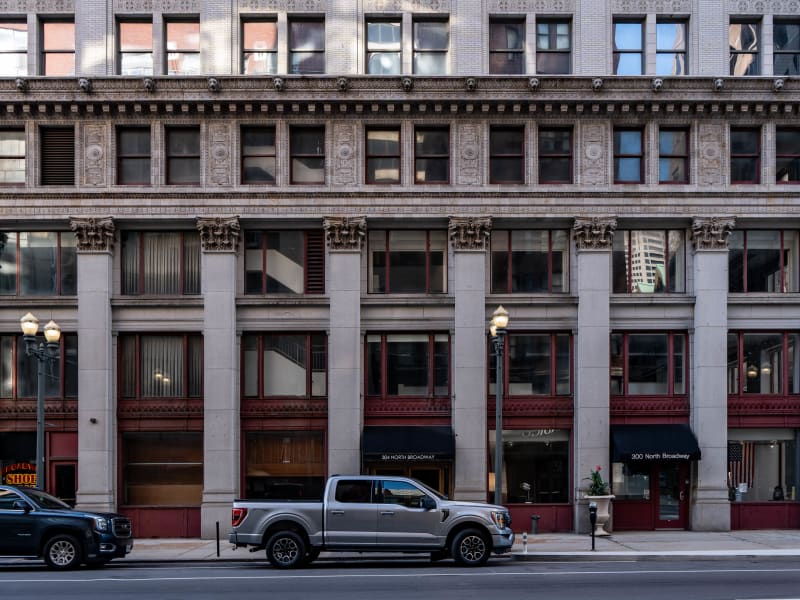
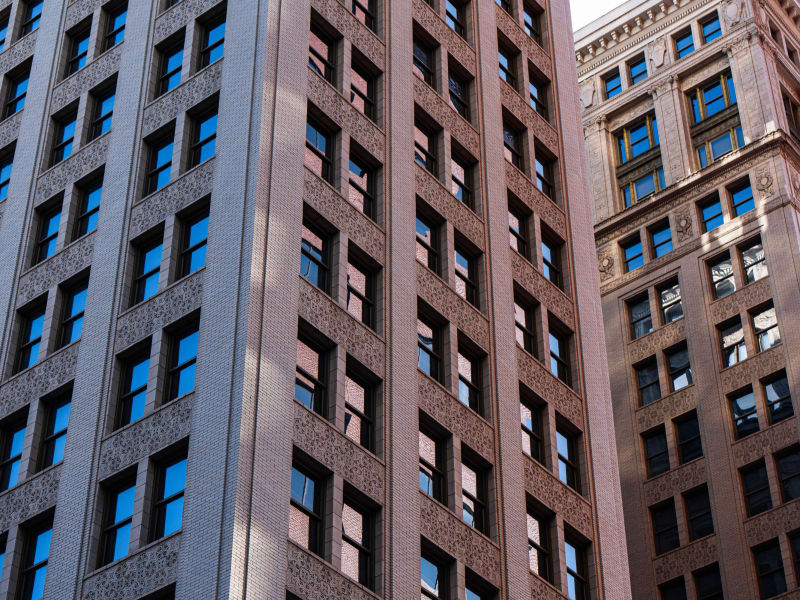
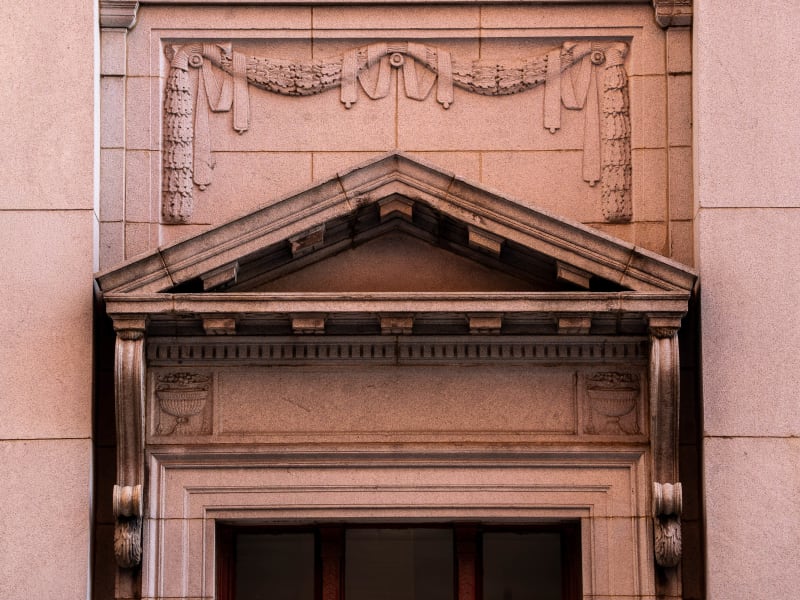
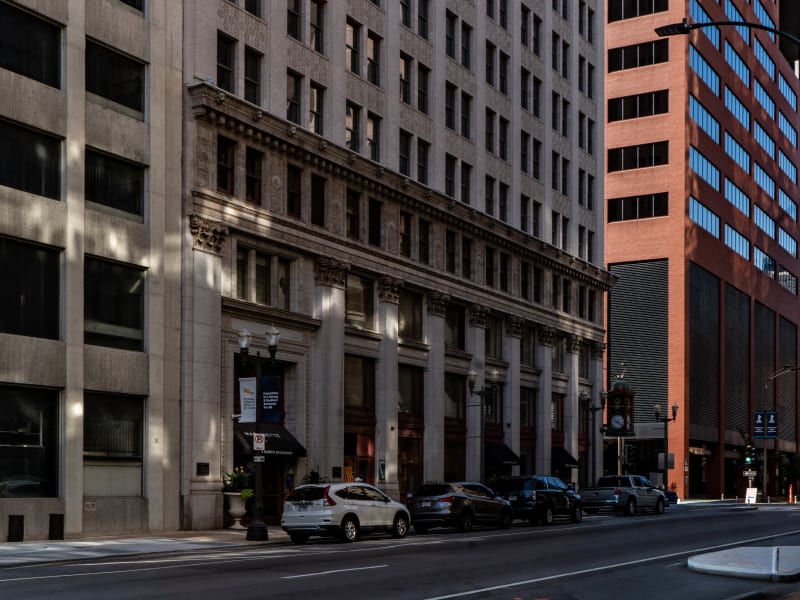
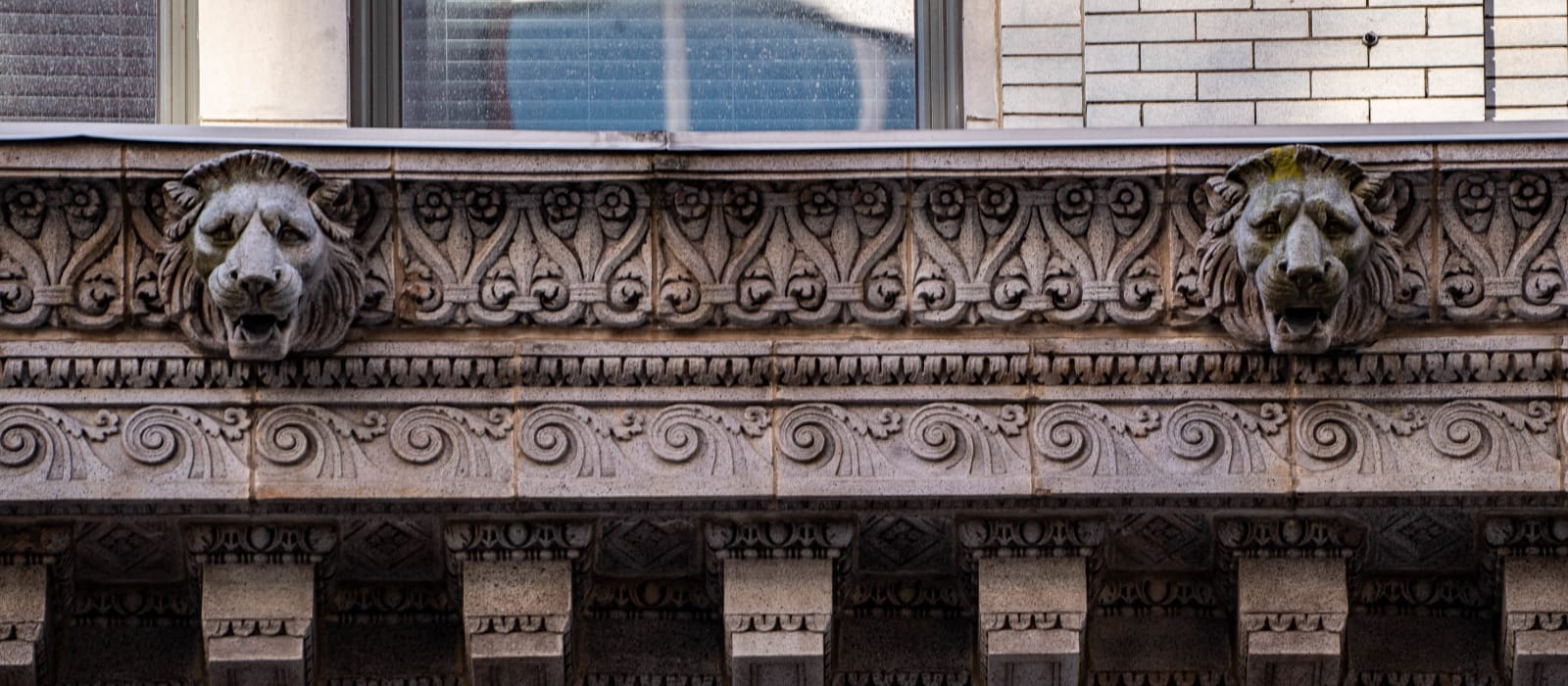
A nineteen-story Classical Revival skyscraper designed by Eames & Young, completed in 1913 at the northeast corner of Broadway and Olive Street in downtown St. Louis. The building rises from a polished light-grey granite base through a red-brick shaft capped with elaborate off-white terra-cotta ornament by the Winkle Terra Cotta Company. A steel frame carries the masonry, its classical detailing kept restrained across the full height of the tower.
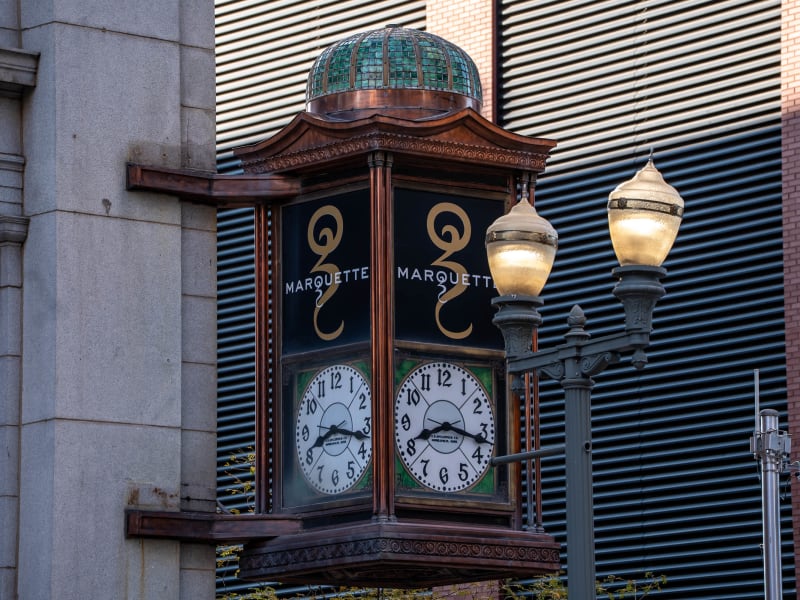
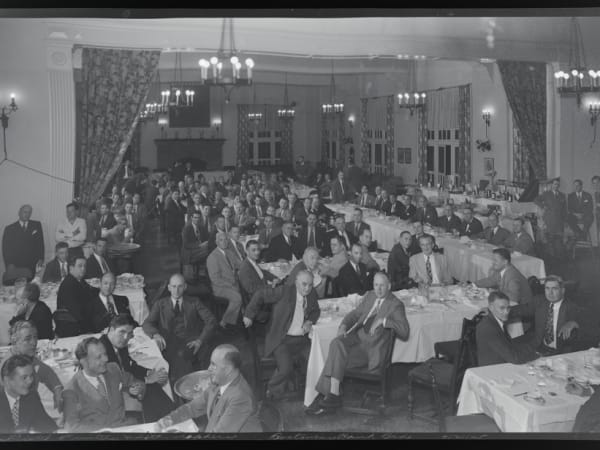
Commissioned in 1912 by the Monward Realty Company (controlled by Commonwealth Trust), the building was designed by William S. Eames and Thomas C. Young — the last major skyscraper the firm would complete before Eames's death in 1915. Originally called the Monward Building, the structure's 19-story frame rose above Broadway and Olive at a time when downtown St. Louis was rebuilding its skyline. The original design called for a 29-story tower with a pyramidal temple termination echoing New York's Metropolitan Life Tower, but the upper floors were dropped before construction. Terra cotta ornament was executed by the Winkle Terra Cotta Company. When the original Boatmen's Bank building at Fourth and Washington Avenue was destroyed by fire on March 8, 1914, Boatmen's National Bank — Missouri's oldest chartered banking institution — relocated to the new Broadway building and renamed it in its honor. The bank opened for business there on November 30, 1914. The building also served as the first home of the Federal Reserve Bank of St. Louis, which opened its doors for the very first time at 300 N. Broadway on November 16, 1914. The banking room's centerpiece was an inlaid terrazzo floor mosaic depicting a steamboat, a nod to the city's riverboat heritage; paintings by George Caleb Bingham once hung on its walls. In 1946–47, Boatmen's invested one million dollars in an Art Moderne remodel for its centennial, redesigning the banking room interior while retaining the mosaic floor and a bronze-railed marble staircase. Boatmen's National Bank departed in 1976 and the building was renamed the Marquette Building, continuing as an office tower until the City of St. Louis acquired it in 1997. A 1915–20 annex was demolished in summer 1998. The Lawrence Group converted the main tower to apartments in 2006–07, preserving the historic banking room. Listed on the National Register of Historic Places on October 22, 1998.