Bell Telephone Building
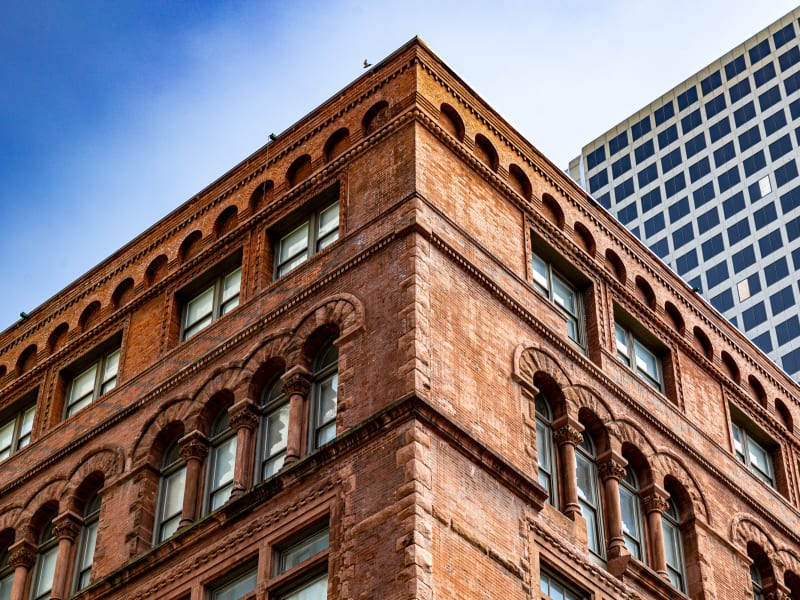
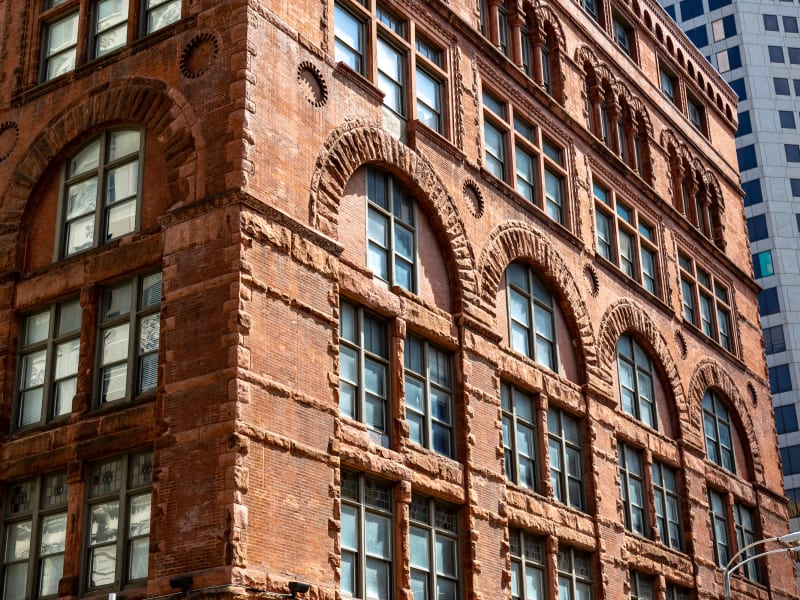
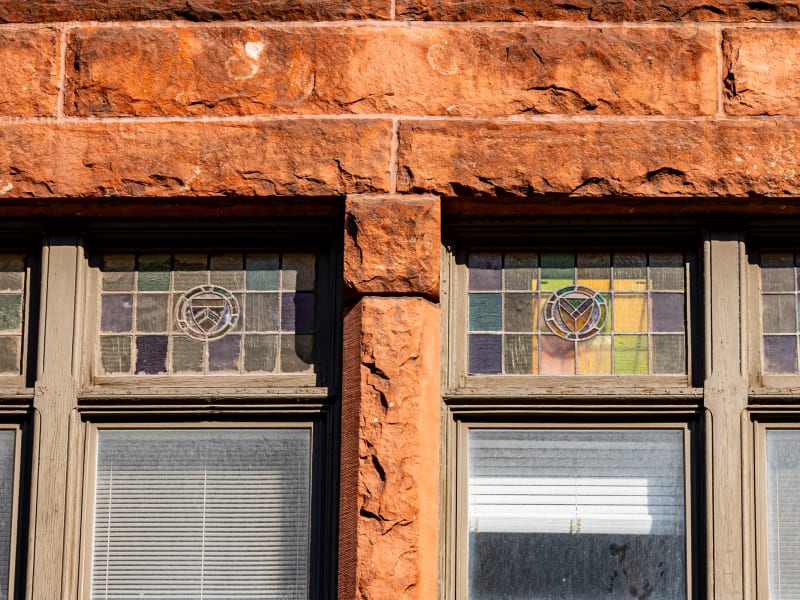
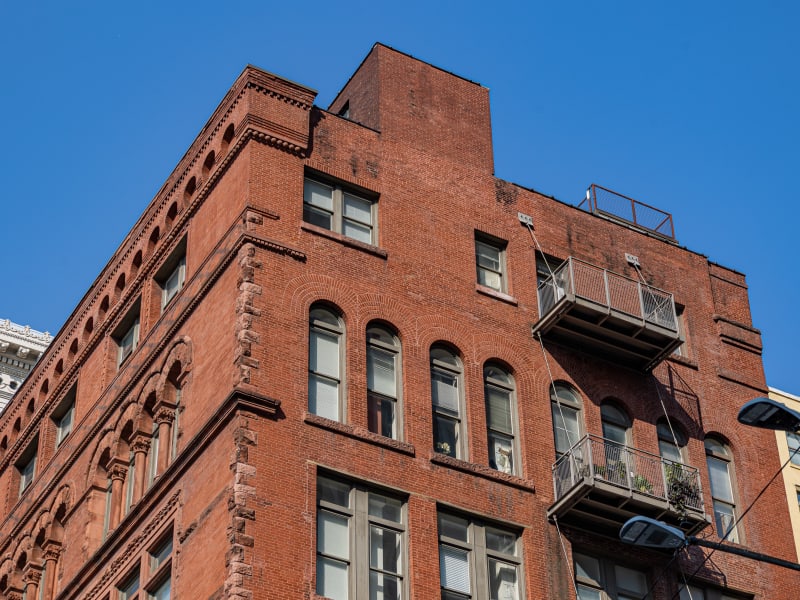
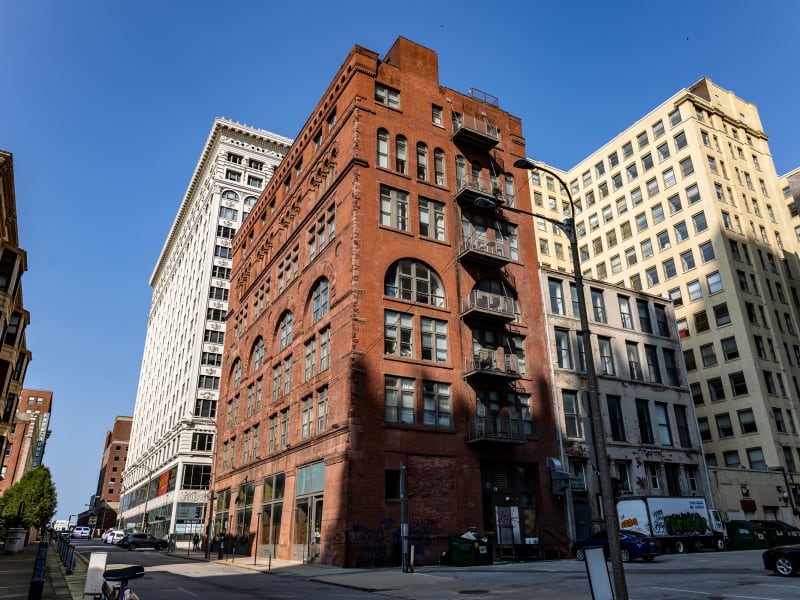
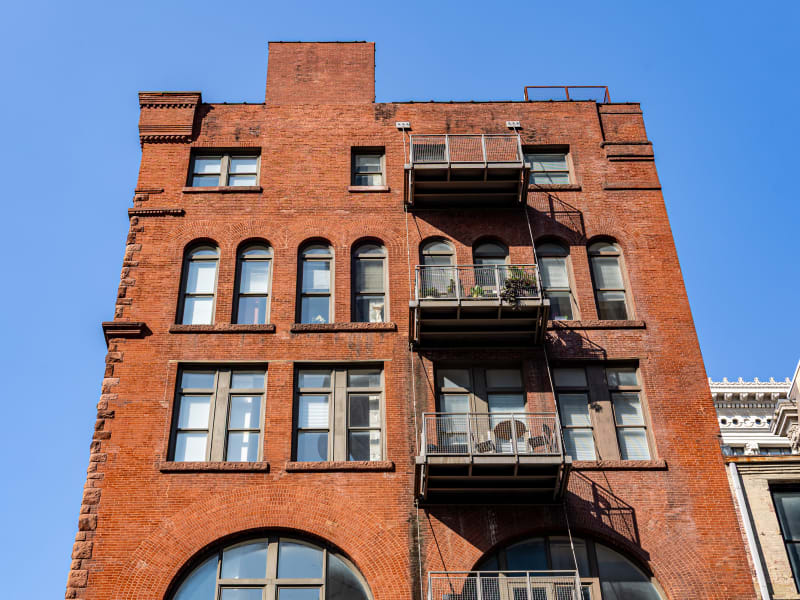
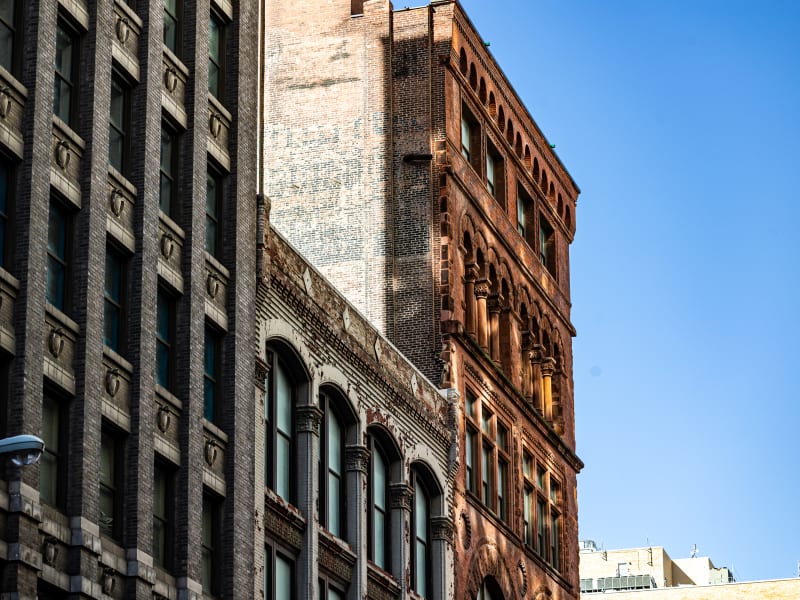
The Bell Telephone Building is a robust Richardsonian Romanesque commercial structure characterized by its heavy rusticated stone base, rhythmic arched window groupings, and substantial masonry presence that reflects the influence of H.H. Richardson's aesthetic as interpreted by his successors. The building's visual weight is emphasized through its deep-set windows, strong horizontal coursing, and the interplay of rough and smooth stone textures that create a sense of permanence and solidity.
The Bell Telephone Building at 920 Olive Street was constructed in 1889 to serve as the headquarters for the Missouri Bell Telephone Company, reflecting the rapid expansion of telephone service in St. Louis during the late nineteenth century. The building was designed by the prestigious Boston firm Shepley, Rutan, and Coolidge, successors to the renowned Henry Hobson Richardson. Their commission for this project demonstrated the telephone company's ambition to establish a commanding presence in downtown St. Louis as communication technology transformed American business and daily life. Throughout its early decades, the Bell Telephone Building served as a vital hub for the region's growing telecommunications network, housing both administrative offices and switching equipment that connected thousands of St. Louis subscribers. The building witnessed the dramatic expansion of telephone service from a novelty for the wealthy to an essential utility for homes and businesses across the metropolitan area. As the Bell System grew into one of the nation's largest corporations, the Olive Street building remained an important local landmark even as operations eventually expanded to other facilities. The building has survived well over a century of change in downtown St. Louis, outlasting many of its nineteenth-century neighbors. It stands today as one of the few remaining commercial structures from the 1880s in the downtown core, a testament to both its solid construction and its historical significance to the city's development as a major business center.