St. Louis Motordrome
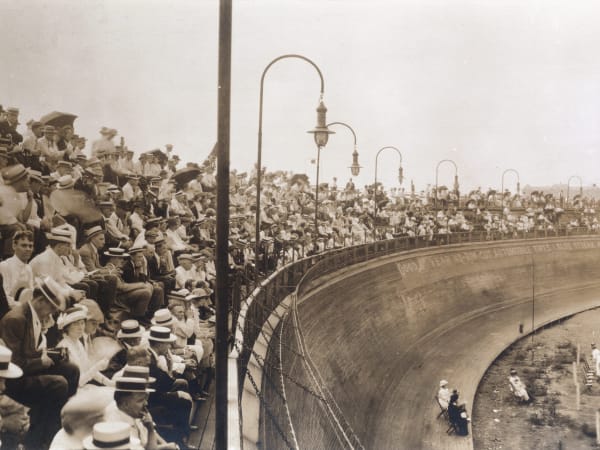
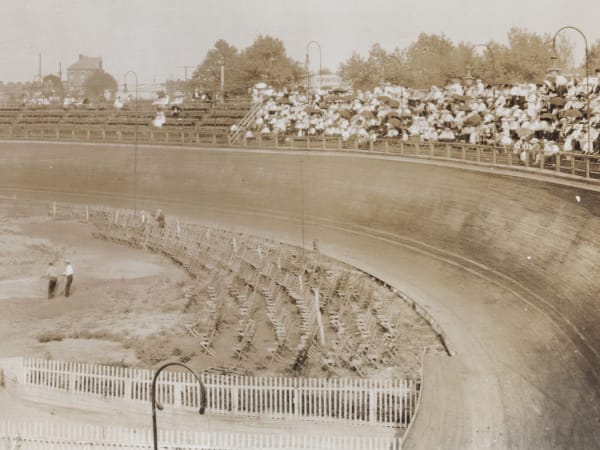
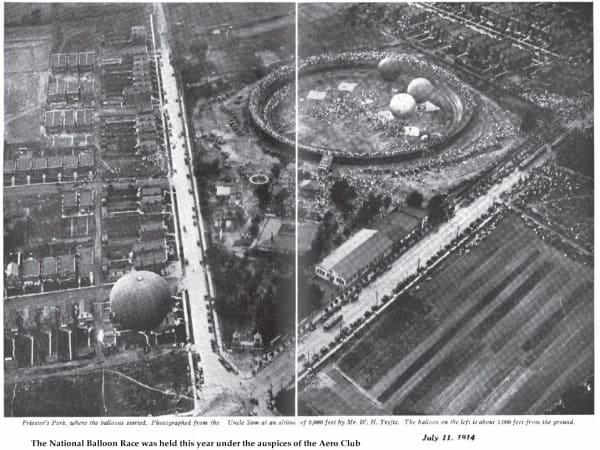
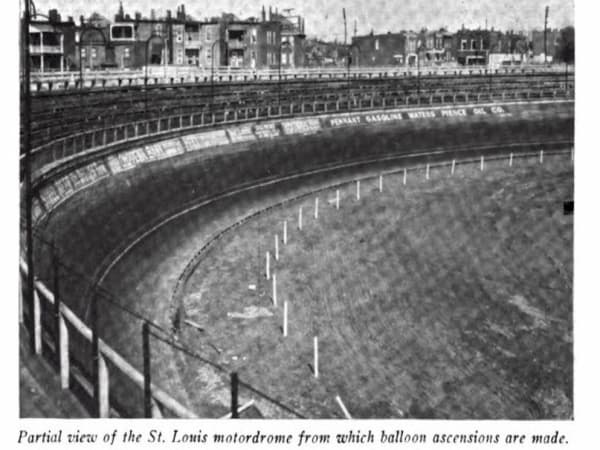
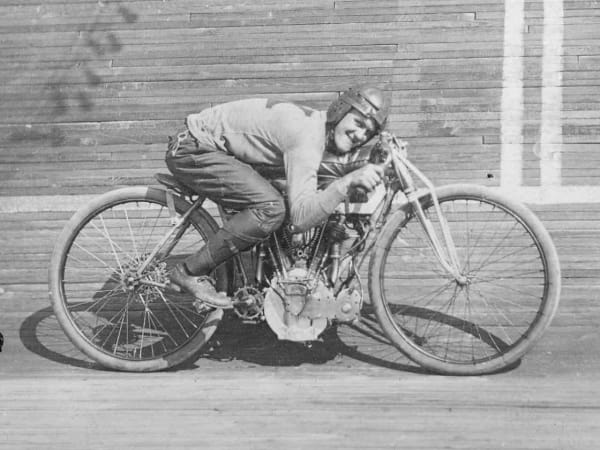
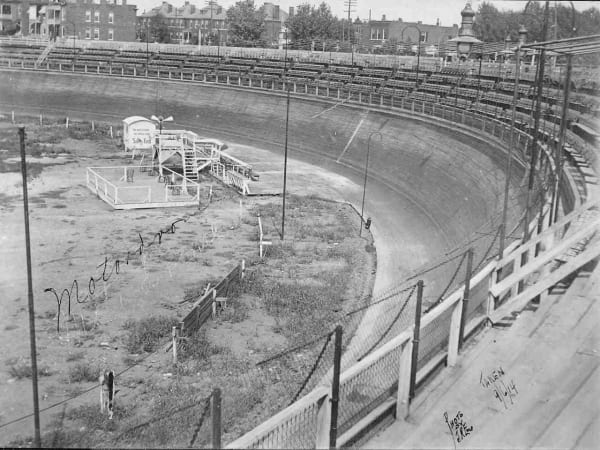
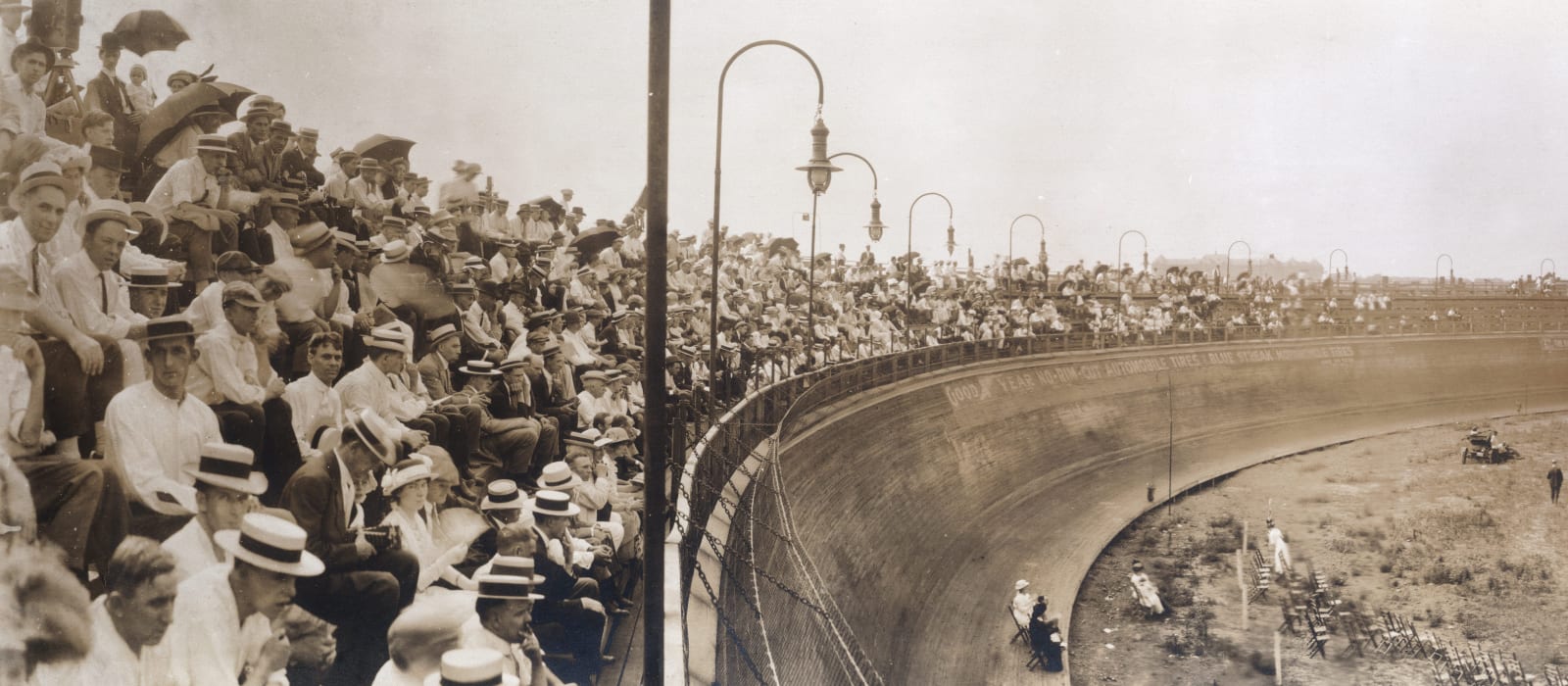
A circular wooden bowl a quarter mile around, its racing surface of two-inch boards on heavy timber supports banked at 62½ degrees, reported as the steepest motordrome curve in the world. The track walls rose about 24 feet, and grandstands ran around the rim, looking down into the bowl. The Sanborn map labels it "1/4 Mile Track" with a stated seating capacity, though crowds of 15,000 were reported. A bridge crossed the rim to the infield.
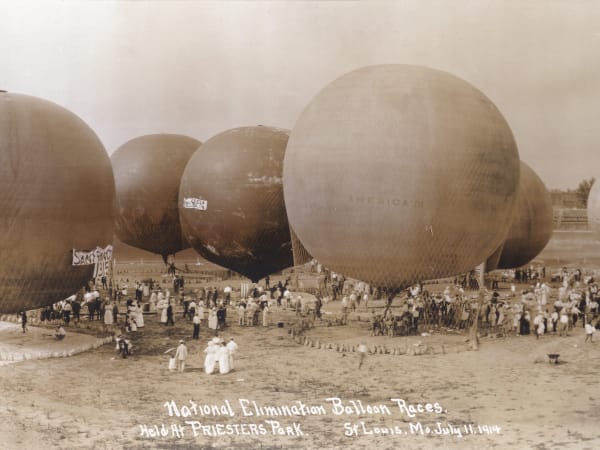
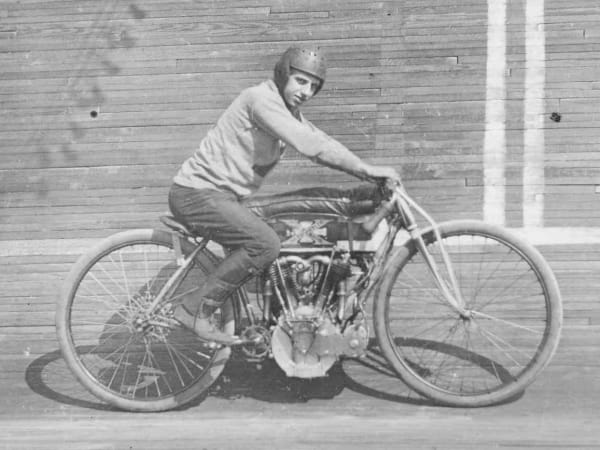
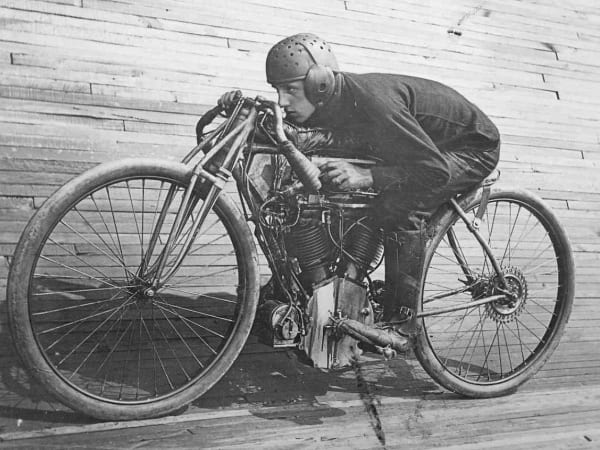
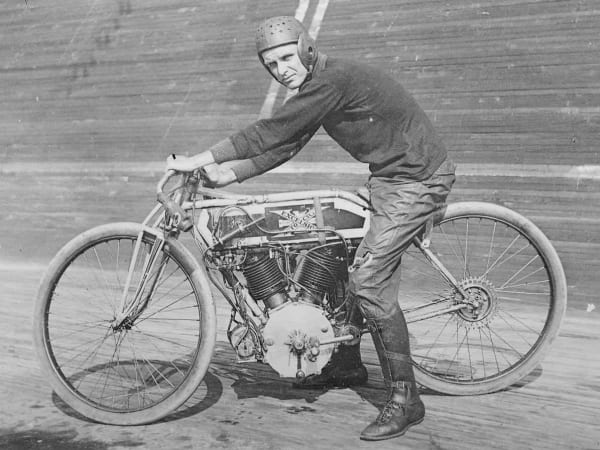
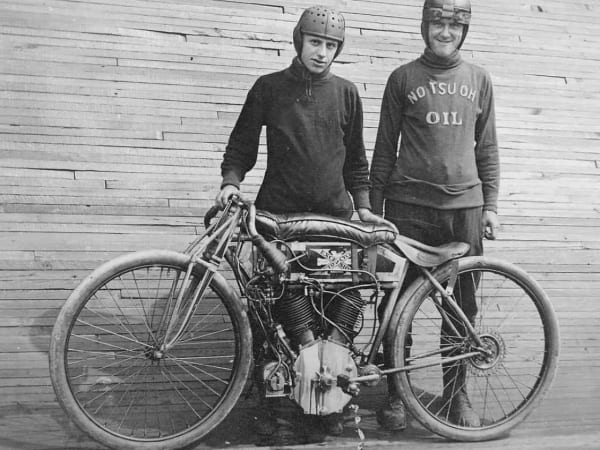
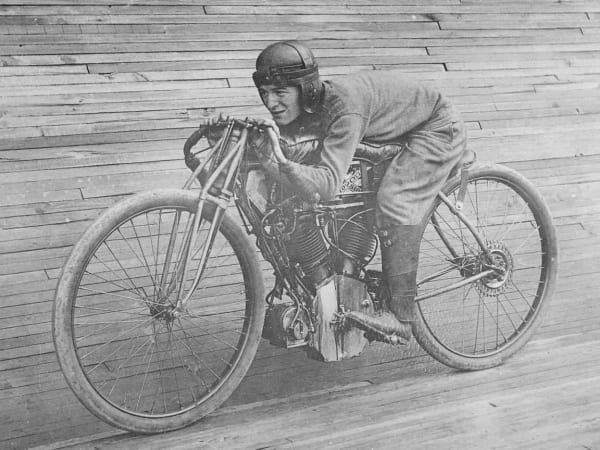
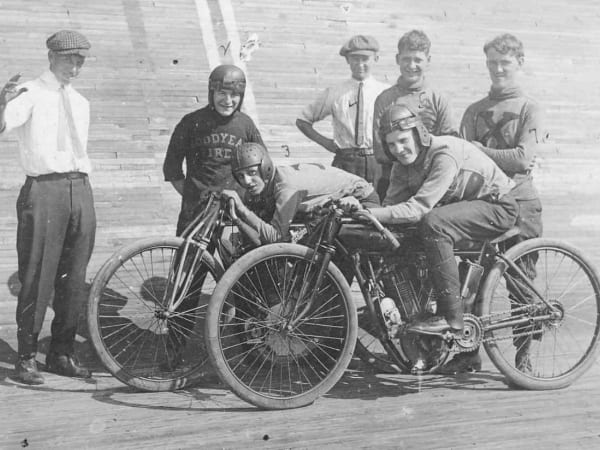
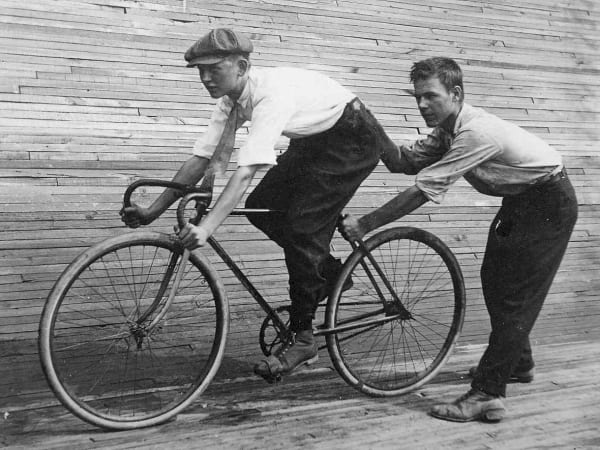
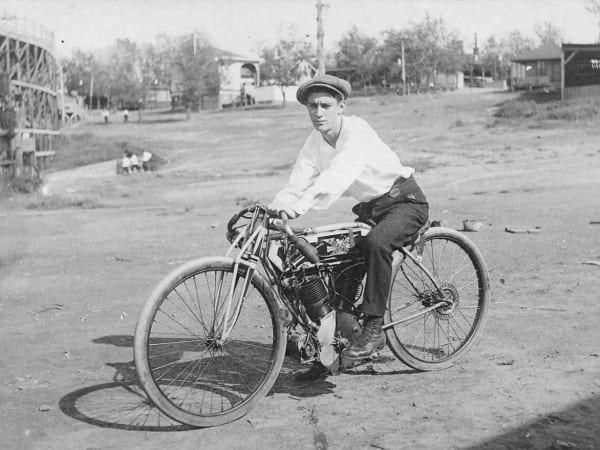
The Motordrome opened at Priester's Park on the last night of August 1912 as St. Louis's board track for motorcycle racing. Riders ran stripped-down machines with no brakes and only bicycle tires at close to 100 miles an hour, held to the wall by speed alone. The danger was built into the design: the steeper the banking, the faster and closer to the crowd the racers rode. The first event of the first night ended in a fatal crash. Before a crowd of more than 15,000, a local racer named Cleve, racing for a $15 prize, crashed at about 80 miles an hour and was killed instantly. Parts of his motorcycle flew into the stands, though no spectators were hurt. Hundreds of people rushed onto the field to help, blocking the emergency crews, while thousands more crowded for the exits. City inspectors found the bowl had too few exits for riders or patrons and shut it down until more were added, then pronounced it the safest motordrome in the world. Several more riders were injured over the next few years. The National Elimination Balloon Races of 1914 launched from inside the bowl. Riders such as Wells Bennett, Paul Schmidt and John B. Hoefeler raced there through 1914. Across the country, deaths on these tracks earned them the nickname "murderdromes." By 1916 the bowl's infield hosted boxing matches and a fire department show. In January 1917 lumber from the Motordrome was advertised for sale, and by the mid-1920s the track was gone.