Pruitt-Igoe
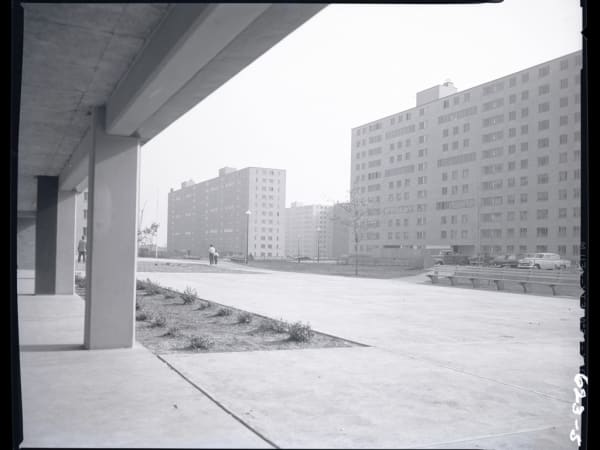
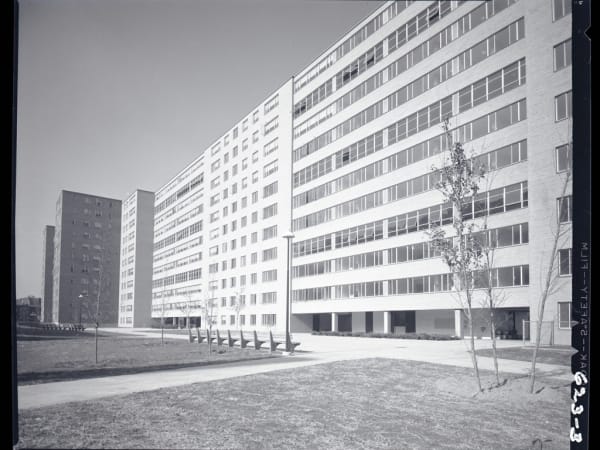
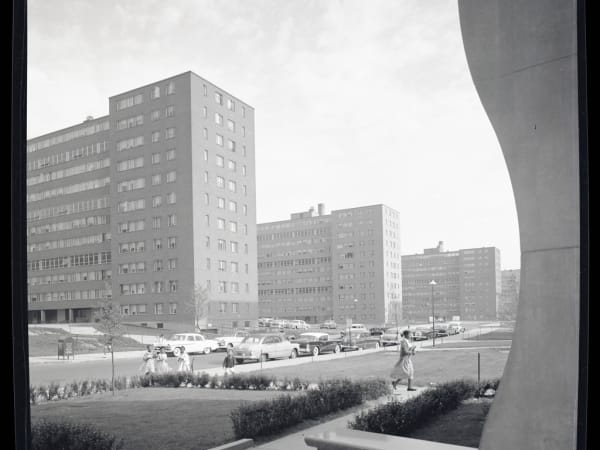
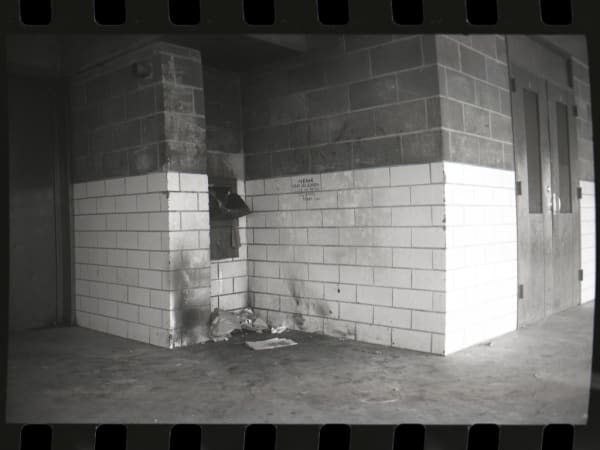
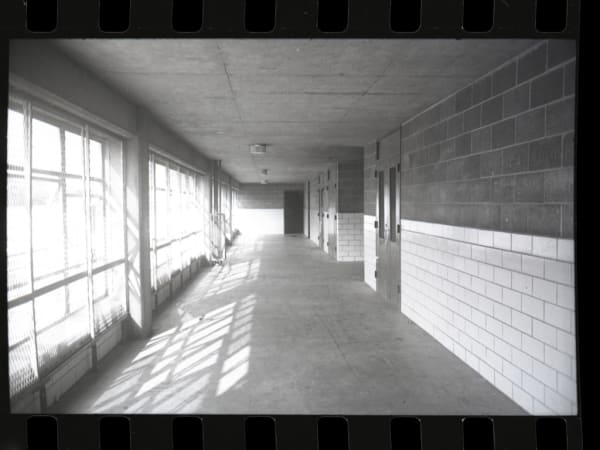
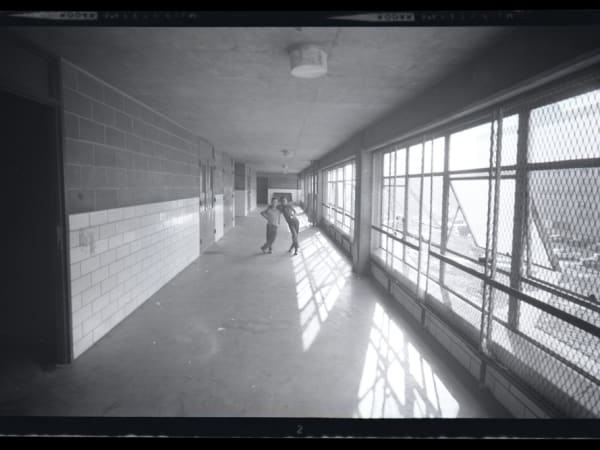
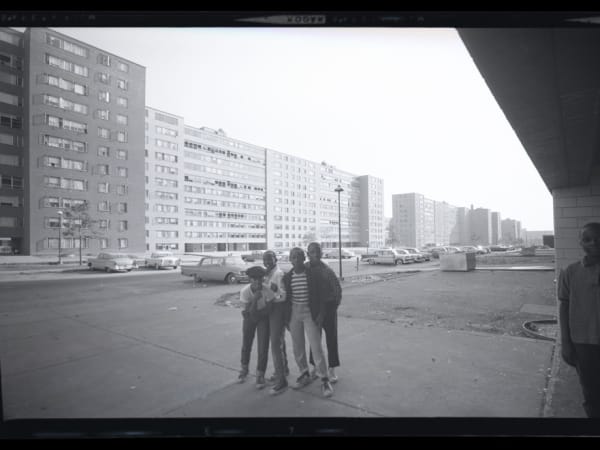
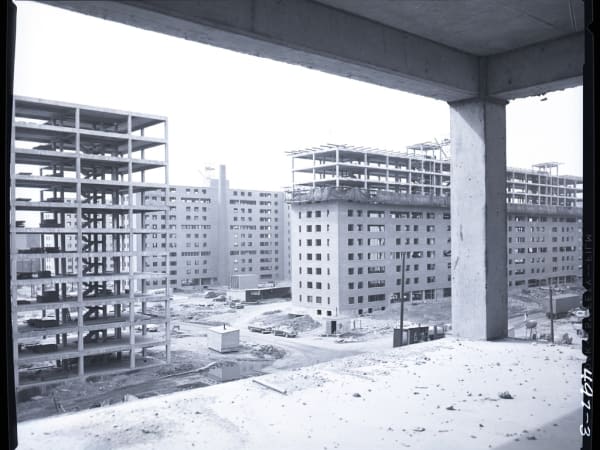
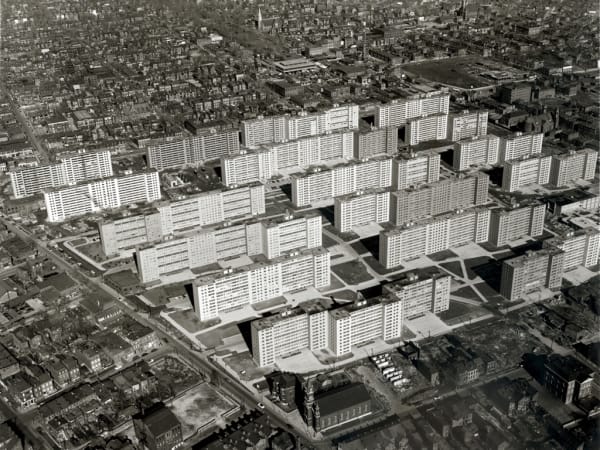
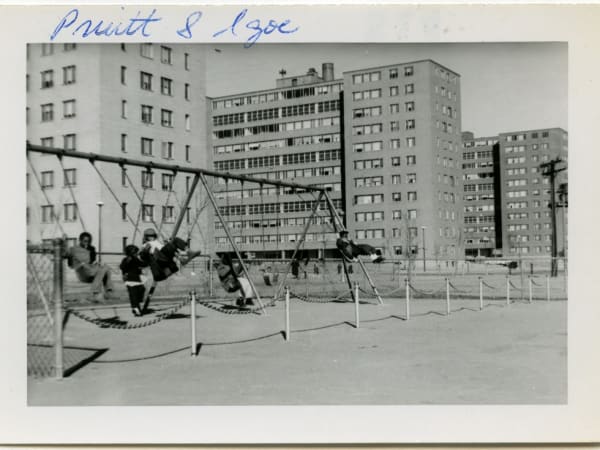
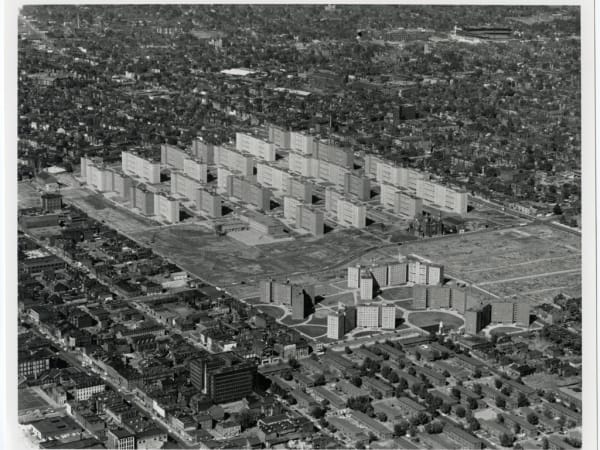
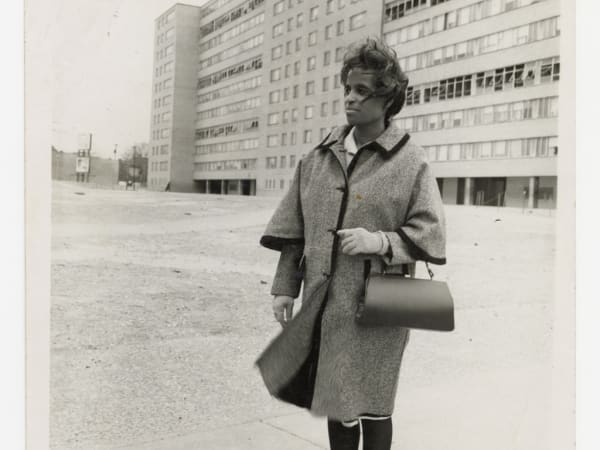
Pruitt-Igoe consisted of 33 identical eleven-story residential towers arranged across 57 acres, designed in the International Style with stark concrete facades, uniform rows of windows, and minimal ornamentation reflecting modernist public housing principles of the era. The complex featured skip-stop elevator systems, internal galleries intended as communal spaces, and ground-level pilotis, creating a monolithic repetition that became one of the most visually striking—and ultimately controversial—examples of large-scale modernist urban planning in America.
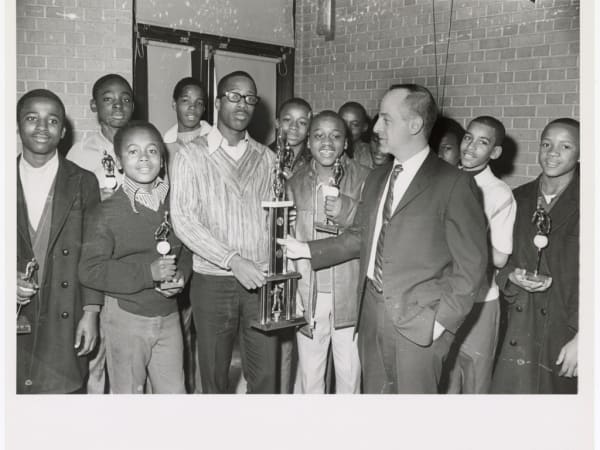
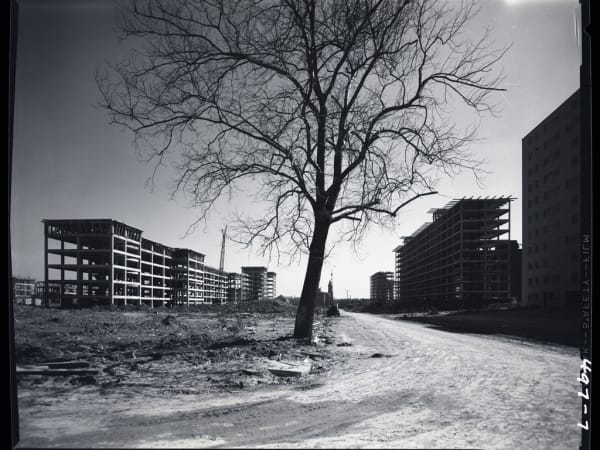
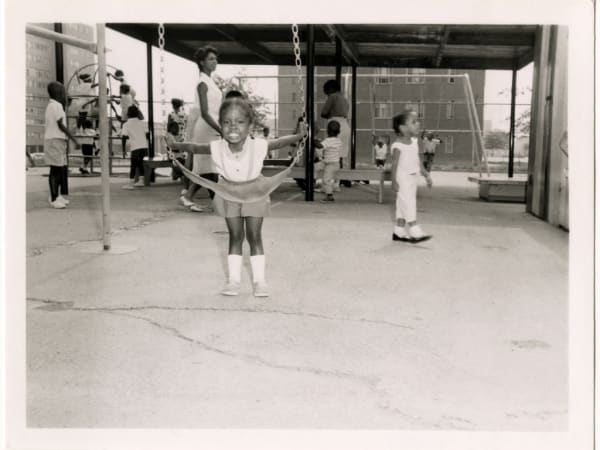
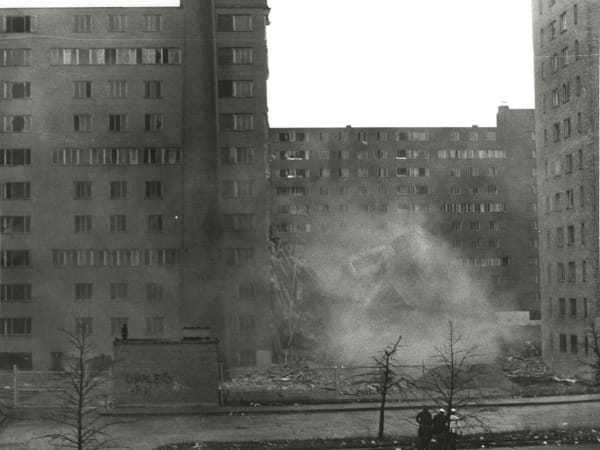
Pruitt-Igoe was conceived in the postwar housing shortage as one of the largest public housing projects in the nation, designed to replace deteriorating tenements in the Near North Side. The project was commissioned by the St. Louis Housing Authority and funded through the Federal Housing Act of 1949. Architect Minoru Yamasaki, working with the firm Leinweber, Yamasaki & Hellmuth, designed the complex of 33 high-rise buildings containing 2,870 apartments. The project was originally planned as two separate developments—Pruitt Homes for Black residents and Igoe Apartments for white residents—reflecting the segregation policies of the era. A Supreme Court decision desegregated the complex before it fully opened, and it was unified under a single name honoring Wendell O. Pruitt, a Black fighter pilot from St. Louis, and William L. Igoe, a former U.S. congressman. The first tenants moved into Pruitt-Igoe in 1954, and the complex initially offered a dramatic improvement over the substandard housing many residents had left behind. However, problems emerged almost immediately. Federal regulations prohibited working families from residing in public housing, concentrating poverty within the complex. Chronic underfunding left the Housing Authority unable to maintain the buildings, and design features meant to foster community instead created unmonitored spaces where crime flourished. By the early 1960s, vacancy rates climbed as conditions deteriorated, creating a cycle of declining revenue and worsening maintenance. Throughout the late 1960s, remaining residents organized rent strikes and advocacy campaigns demanding improvements, but conditions continued to decline. The federal government approved demolition in 1972, and the first buildings were imploded on March 16, 1972—an event widely televised and later interpreted by critics as symbolizing the failure of modernist urban planning. Demolition continued through 1976 until the entire complex was razed. The site remained largely vacant for decades, becoming an urban forest reclaimed by nature. Portions of the land have since been developed for schools and other purposes, while much of it remains open space, a quiet memorial to one of the most significant episodes in American public housing history.