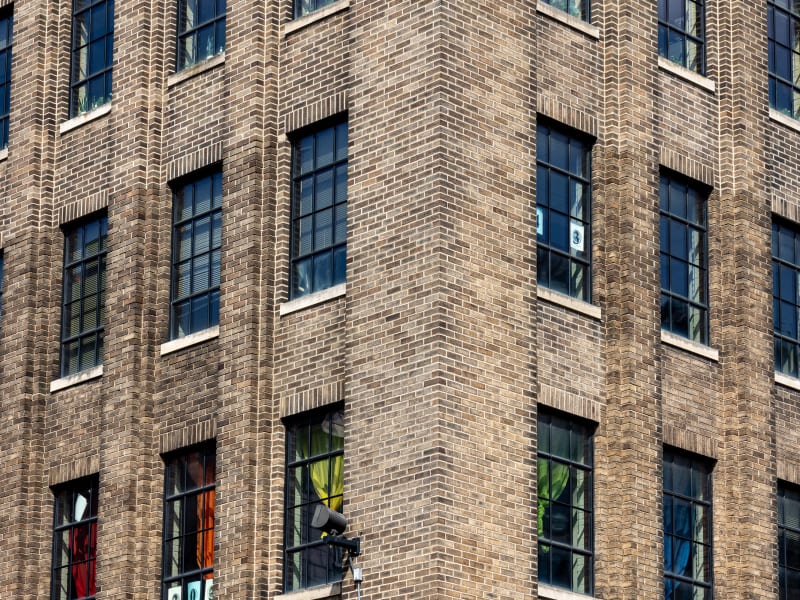
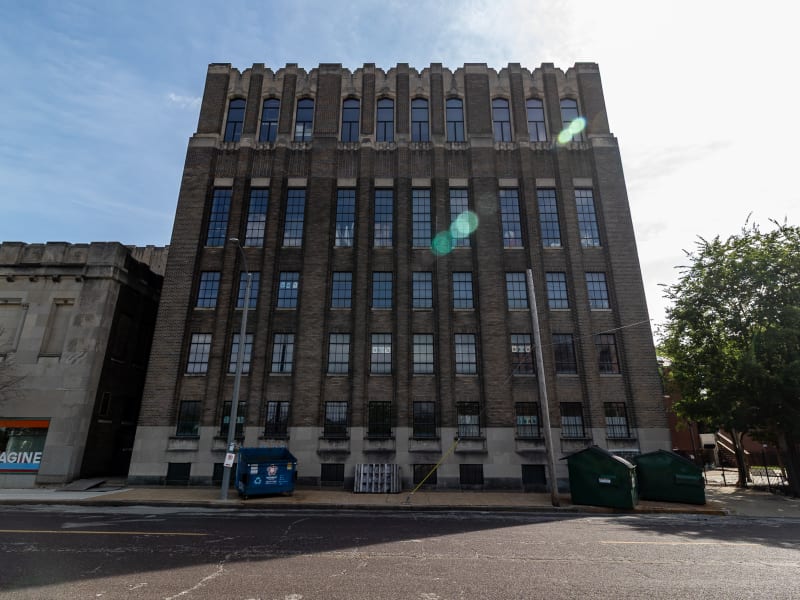
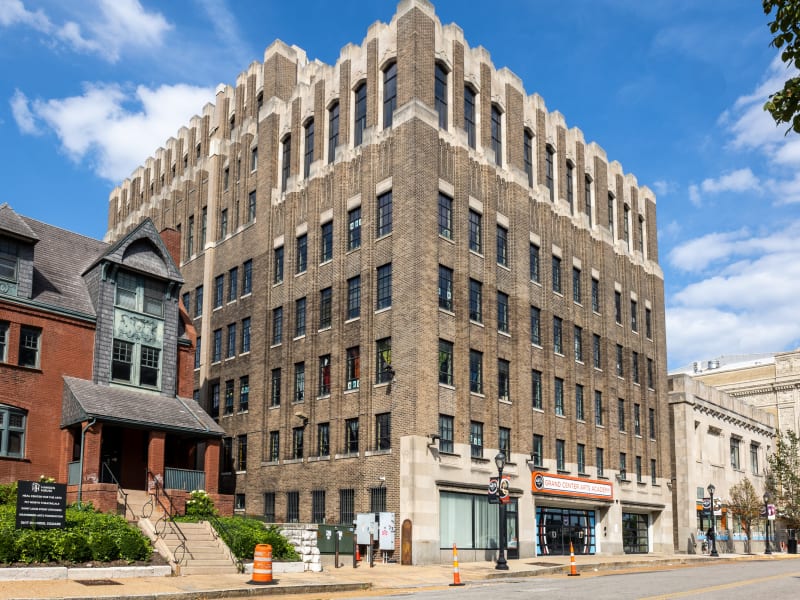
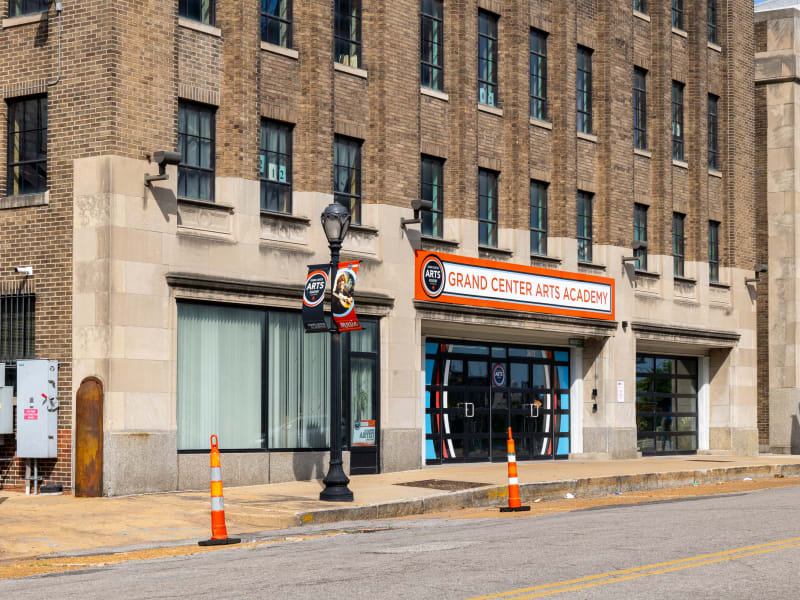
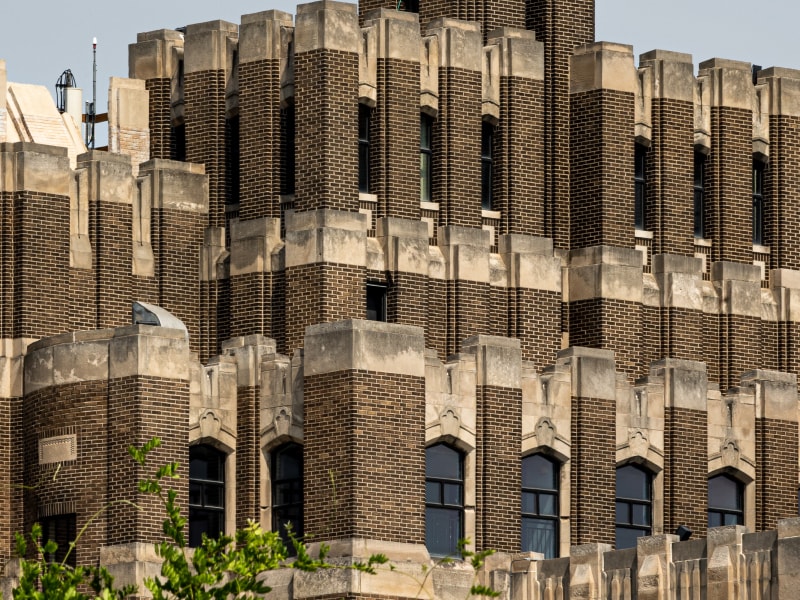
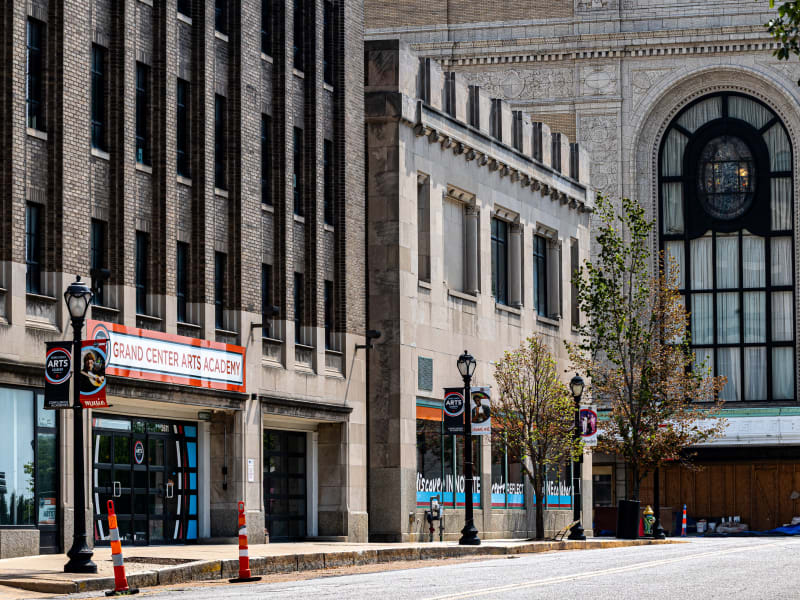
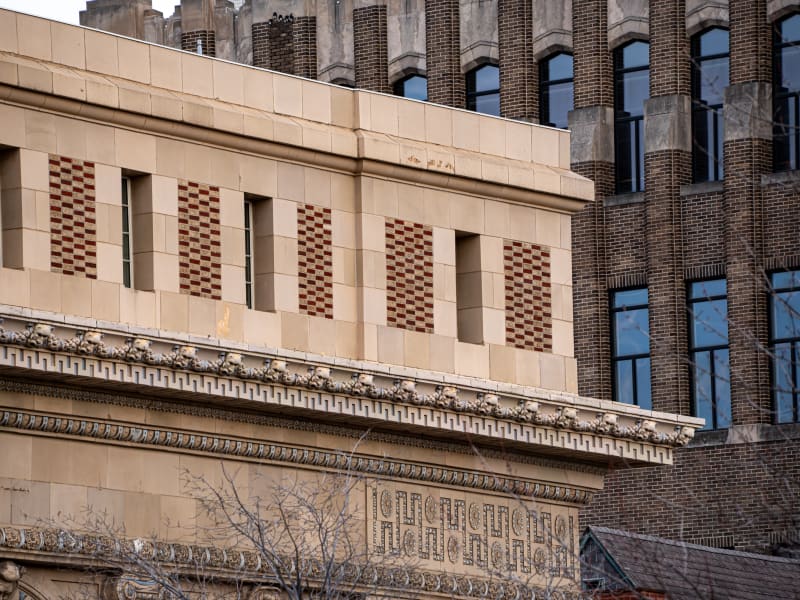
The Knights of Pythias Hall is a three-story brick building that presents a dignified institutional presence along Grandel Square, featuring a symmetrical façade with regular window openings and restrained Classical Revival detailing typical of fraternal lodge architecture from the late 1920s. Its flat roof, prominent cornice line, and straightforward massing reflect the practical yet ceremonial character expected of African American fraternal organizations during this era.
The Knights of Pythias Hall at 3611 Grandel Square was constructed in 1929 to serve the fraternal organization founded in 1864 as the first fraternal order to be chartered by an Act of Congress. The Knights of Pythias, which emphasized friendship, charity, and benevolence, established lodges throughout the United States, including numerous chapters in St. Louis that served both white and African American communities through separate grand lodges during the era of segregation. This building provided a dedicated meeting space for lodge activities, rituals, and community gatherings during a period when fraternal organizations played a central role in American social and civic life. The hall served its intended purpose during the height of fraternal organization membership in America, hosting regular lodge meetings, initiation ceremonies, and social functions. Like many fraternal buildings constructed in the late 1920s, the Knights of Pythias Hall faced challenges during the Great Depression, though the mutual aid aspects of fraternal organizations became even more vital during economic hardship. Throughout the mid-twentieth century, the building remained an important gathering place for its members and the surrounding community. The building still stands today at its Grandel Square location, though its current use and condition require further documentation. As fraternal organization membership declined significantly in the latter half of the twentieth century, many such halls were adapted for new purposes or fell into disuse. The fate of this particular Knights of Pythias Hall reflects broader patterns in American civic life and the changing role of fraternal organizations in urban communities.