House of Refuge, 3300 Osage St at Louisiana Ave; two city blocks on either side of Virginia Ave between Osage and Gasconade, St. Louis
← Picture This STL
other·demolished

House of Refuge

Originally House of Refuge
Also known as St. Louis House of Refuge
Formerly St. Louis Industrial School
Also known as House of Refuge Hospital
ca. 1854 – ca. 1912–1915
Updated November 2026
About

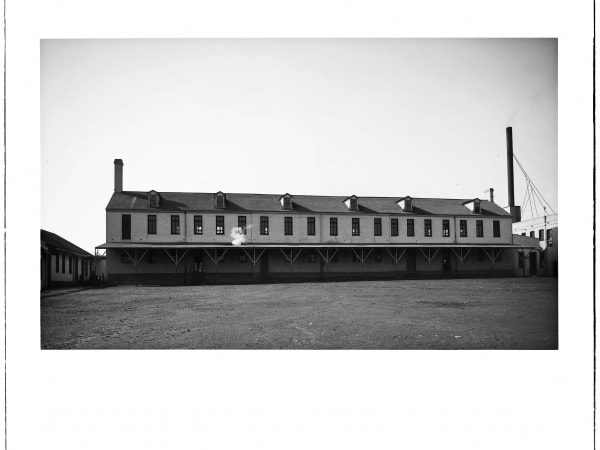
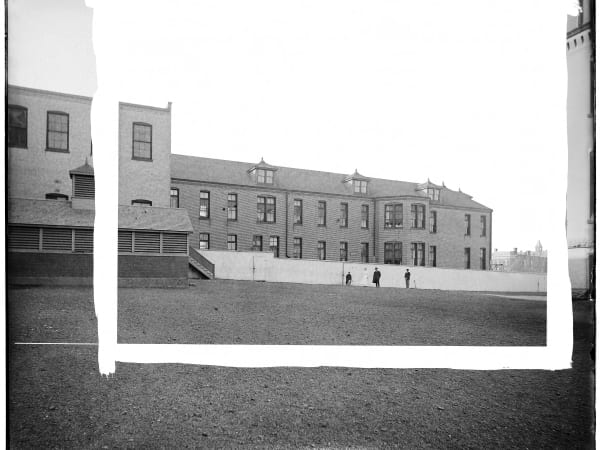
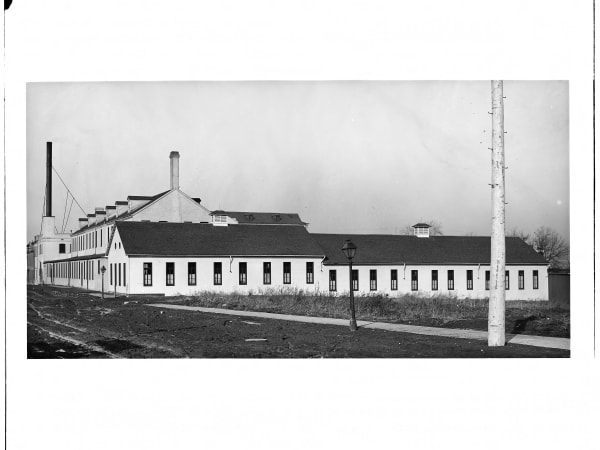
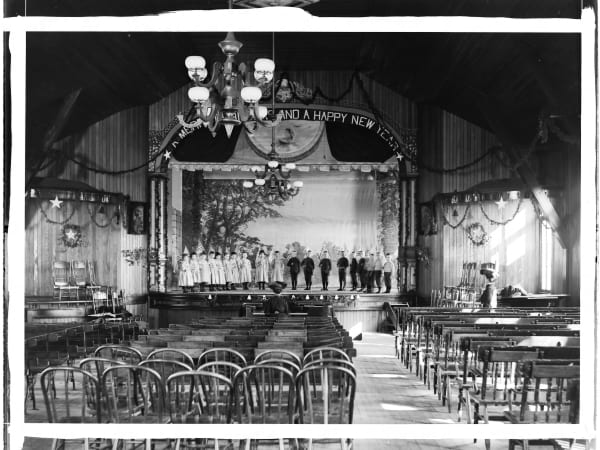
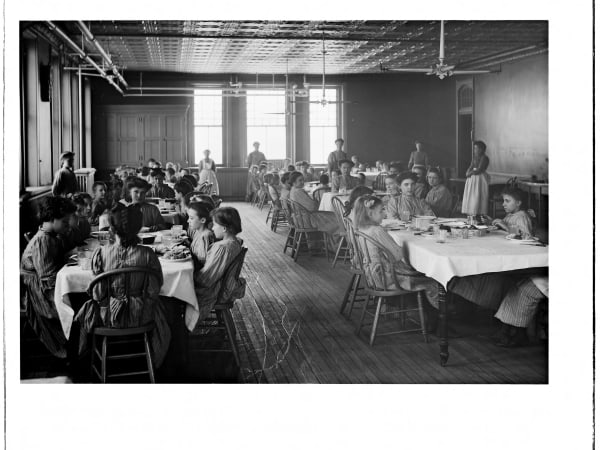
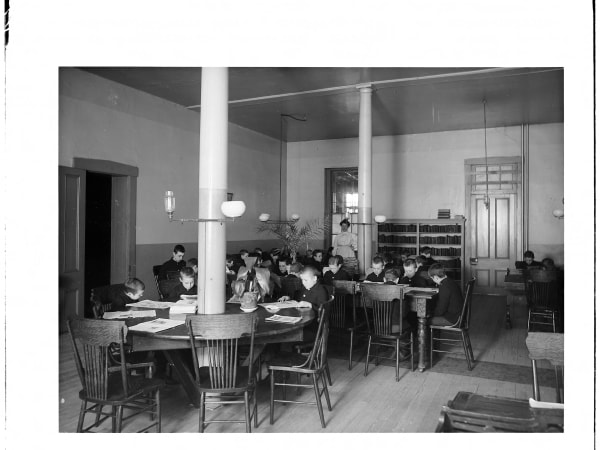
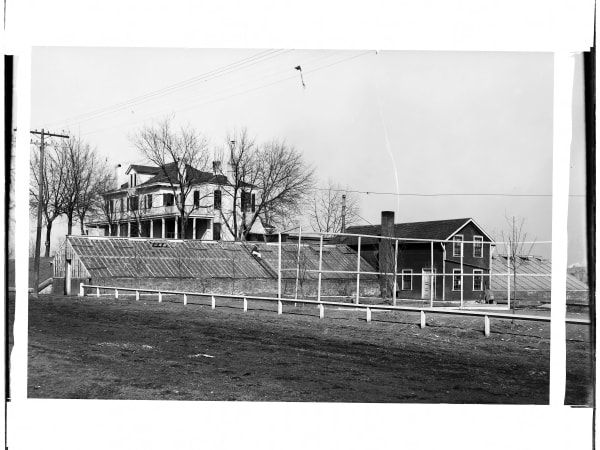
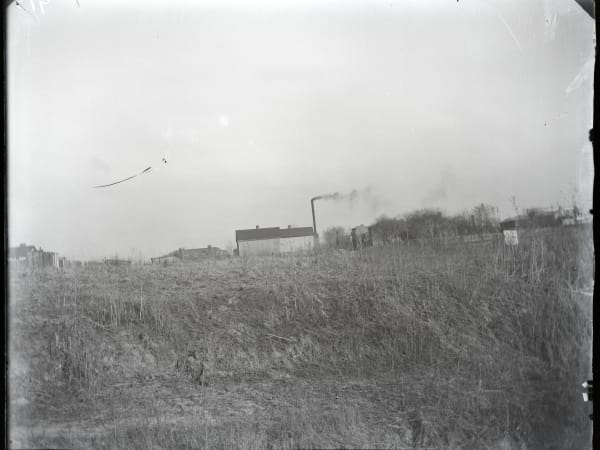
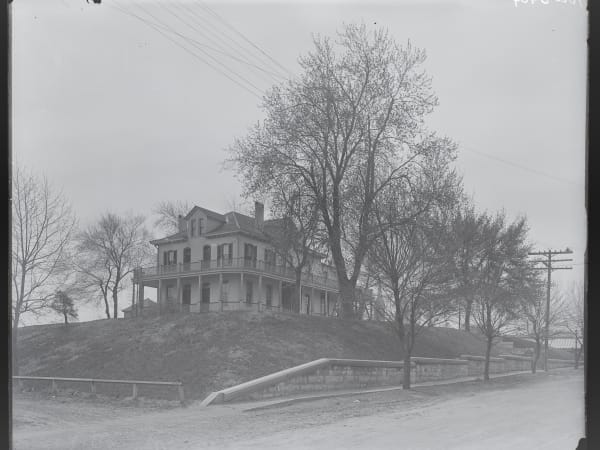
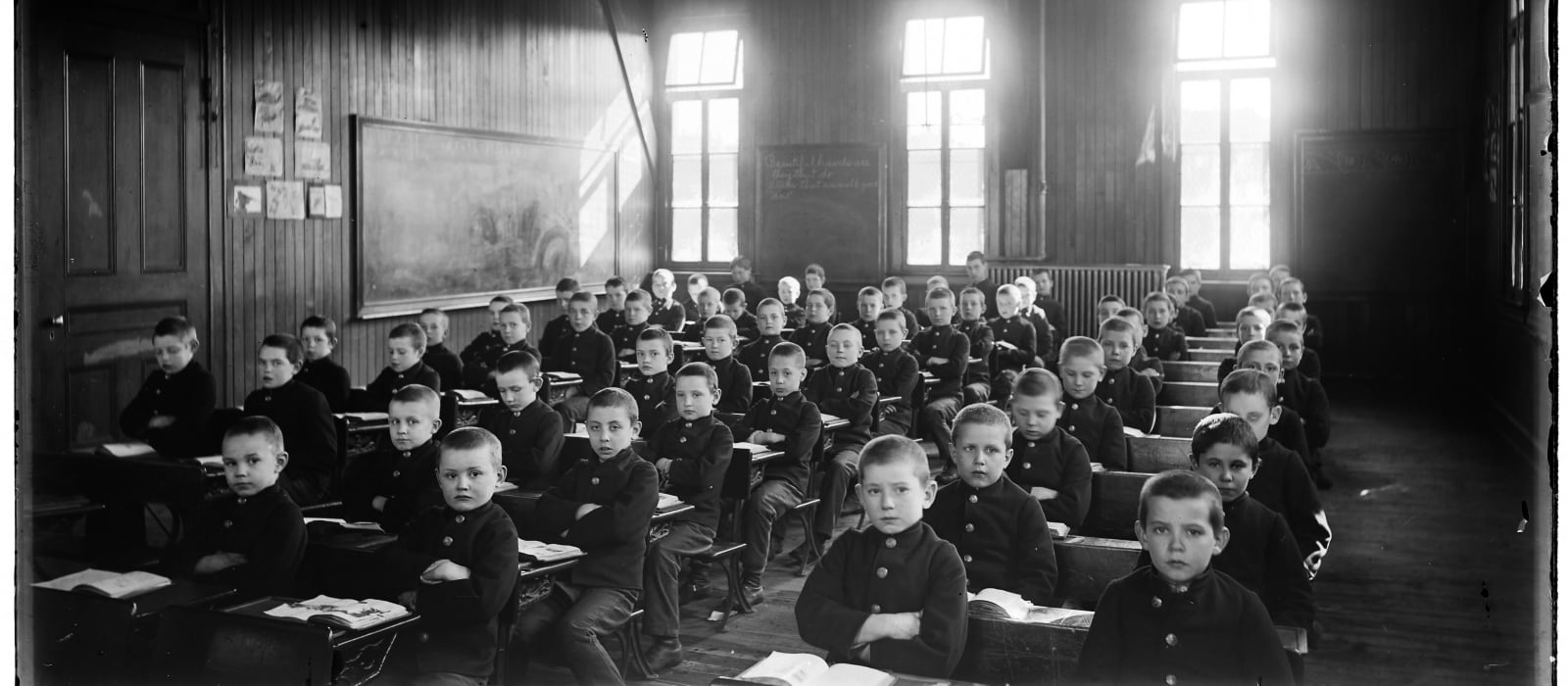
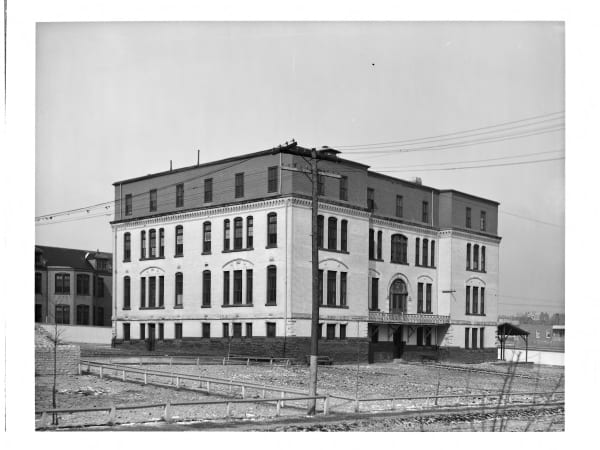
The House of Refuge spread across two city blocks on high ground between Osage and Gasconade streets, on either side of Virginia Avenue, a campus of separate buildings set on open, bare grounds with a farm. By 1904 the largest was the Girls' Building, four stories of pale masonry with tall round-arched windows, a central arched entrance under a small balcony, and a flat roof behind a bracketed cornice. The hospital was a three-story brick building with dormers in its roof, behind a low stone wall. The boys lived in a long two-story dormitory with a row of dormers and a deep porch running its full length, and the schoolhouse was a long, low whitewashed building under a gabled roof. Tall smokestacks rose from the boiler and laundry buildings. Inside, the children ate at long tables in plain dining rooms, studied at rows of desks in high-ceilinged schoolrooms, and gathered in an assembly hall and chapel with a stage, a hanging chandelier and rows of bentwood chairs. The superintendent's residence, a three-story frame house with a two-story wraparound porch, stood on the east side of Virginia behind a low stone wall, near a greenhouse. The site is now Marquette Park.

History

The House of Refuge opened in 1854 as the city's institution for children it judged to need confinement or care: boys and girls arrested for crimes or committed by their families, children whose parents were jailed, and orphaned and destitute children. A local historian has called it "half orphanage, half jail." Many of the children came from Irish and German immigrant families. Officials said its purpose was to instill morals. The children went to school, caned chairs and made shoes under contract, and worked the institution's farm. In 1861, the Union army took over the buildings as a military hospital, which admitted nearly 5,000 patients in its first year. After the war the buildings returned to their original use. A few of the older boys went from the House into the Union army, among them three enlisted in 1864 with the institution's president, former mayor John How, signing as guardian. Rumors of mistreatment followed the institution for years. In 1872 a grand jury looked into the House and found boys routinely whipped and held in windowless solitary cells about four by nine feet. One boy had been kept in solitary for ten days, three of them without food or water. A warrant charged the superintendent with "willful and malicious oppression," and the grand jury called for radical changes. Accusations of harsh treatment continued in the years after. In 1908 the House of Refuge was renamed the St. Louis Industrial School. Around 1912 the school moved to Bellefontaine Farm in north St. Louis County, and the buildings on Osage Street were torn down. The city set aside the cleared blocks as Marquette Park, established by ordinance in 1915.
Last stood at
3300 Osage St at Louisiana Ave; two city blocks on either side of Virginia Ave between Osage and Gasconade, now Marquette Park, St. Louis, MO 63118
Location
Historical Images · 12
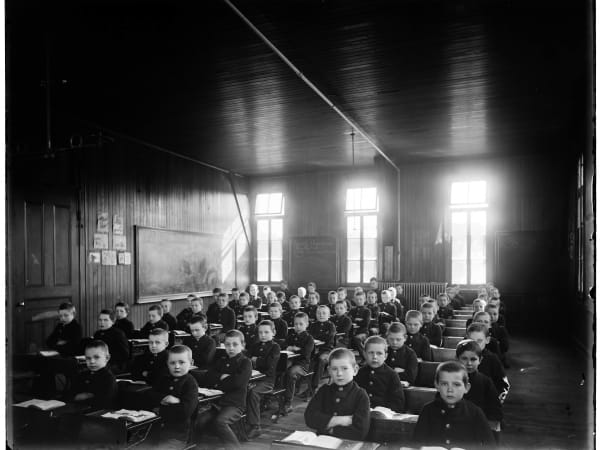
House of Refuge: Rows of boys at their desks in a House of Refuge schoolroom, February 1904.
Rows of boys at their desks in a House of Refuge schoolroom, February 1904.
1904-02-23
St. Louis Public Library
House of Refuge: The Girls' Building, four stories of pale masonry with tall arched windows and a balcony over the entrance, 1904.
The Girls' Building, four stories of pale masonry with tall arched windows and a balcony over the entrance, 1904.
1904-02-18
St. Louis Public Library
House of Refuge: The long two-story boys' dormitory, with a porch running its full length and a smokestack beyond, 1904.
The long two-story boys' dormitory, with a porch running its full length and a smokestack beyond, 1904.
1904-02-23
St. Louis Public Library
House of Refuge: The three-story brick hospital behind a low stone wall, 1904.
The three-story brick hospital behind a low stone wall, 1904.
1904-02
St. Louis Public Library
House of Refuge: The long, low whitewashed schoolhouse under a gabled roof, 1904.
The long, low whitewashed schoolhouse under a gabled roof, 1904.
1904-02-23
St. Louis Public Library
House of Refuge: The chapel and assembly hall, with a stage, a chandelier and rows of bentwood chairs, 1904.
The chapel and assembly hall, with a stage, a chandelier and rows of bentwood chairs, 1904.
1904-02
St. Louis Public Library
House of Refuge: Girls at long tables in their dining room, 1904.
Girls at long tables in their dining room, 1904.
1904-02-16
St. Louis Public Library
House of Refuge: The honor room, with its tables and reading shelves, 1904.
The honor room, with its tables and reading shelves, 1904.
1904-02-23
St. Louis Public Library
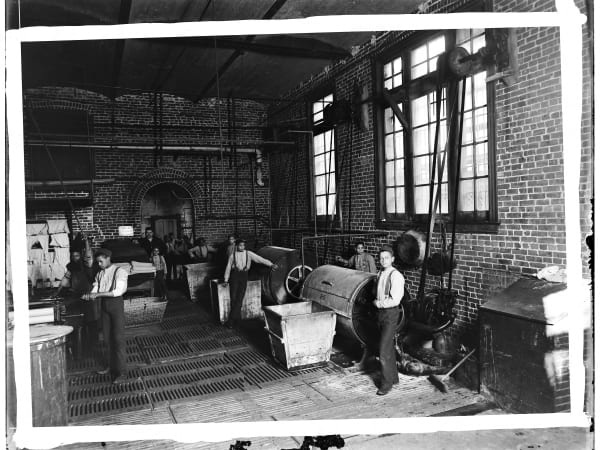
House of Refuge: Workers in the brick-walled laundry, 1904.
Workers in the brick-walled laundry, 1904.
1904-02
St. Louis Public Library
House of Refuge: The superintendent's residence on its rise above the greenhouse, 1904.
The superintendent's residence on its rise above the greenhouse, 1904.
1904-02
St. Louis Public Library
House of Refuge: The House of Refuge seen across open fields from Grand Avenue, its smokestack rising above the long buildings, 1894.
The House of Refuge seen across open fields from Grand Avenue, its smokestack rising above the long buildings, 1894.
March 13, 1894
Missouri Historical Society · A.J. O'Reilly Glass Plate Negative Collection
House of Refuge: The superintendent's residence on the east side of Virginia Avenue, with its two-story wraparound porch.
The superintendent's residence on the east side of Virginia Avenue, with its two-story wraparound porch.
1900–1912
Missouri Historical Society · Missouri Historical Society
Further Reading
The House of Refuge: Before Marquette Park
DutchtownSTL · article
↗
From the Institution to the Infantry: The Enlistment of Three Underage Inmates from the St. Louis House of Refuge
Irish American Civil War · article
↗
Saint Louis, Missouri, House of Refuge Journal of Commitments, 1854–1899
Missouri Historical Society · archive
↗
Marquette Park
DutchtownSTL · website
↗
House of Refuge photographs, February 1904 (Water Department collection)
St. Louis Public Library · archive
↗