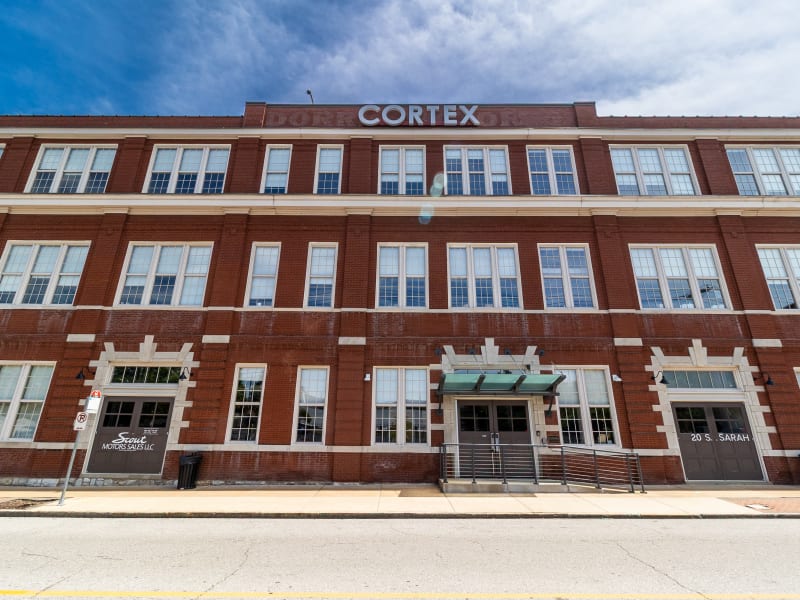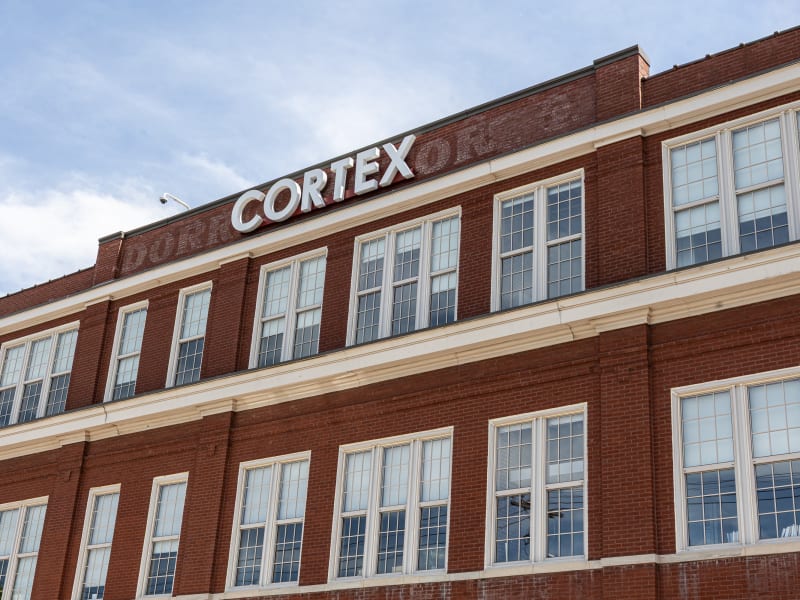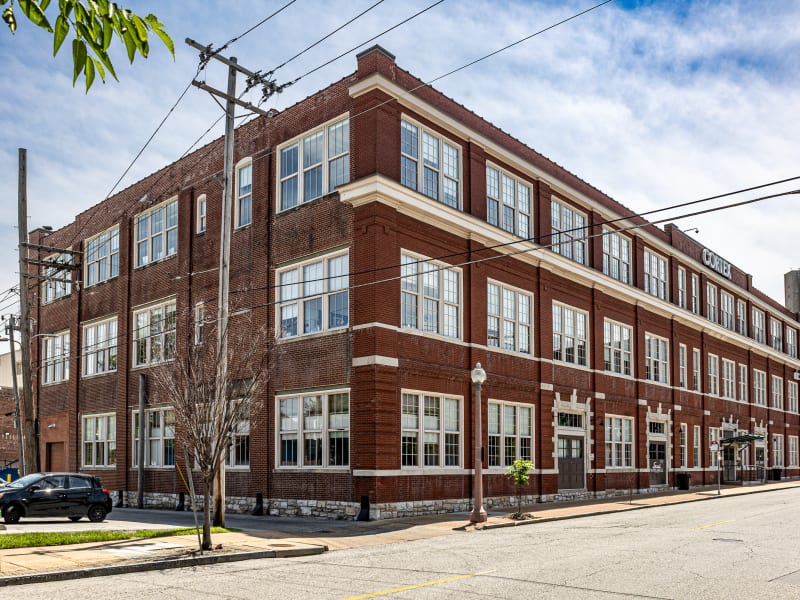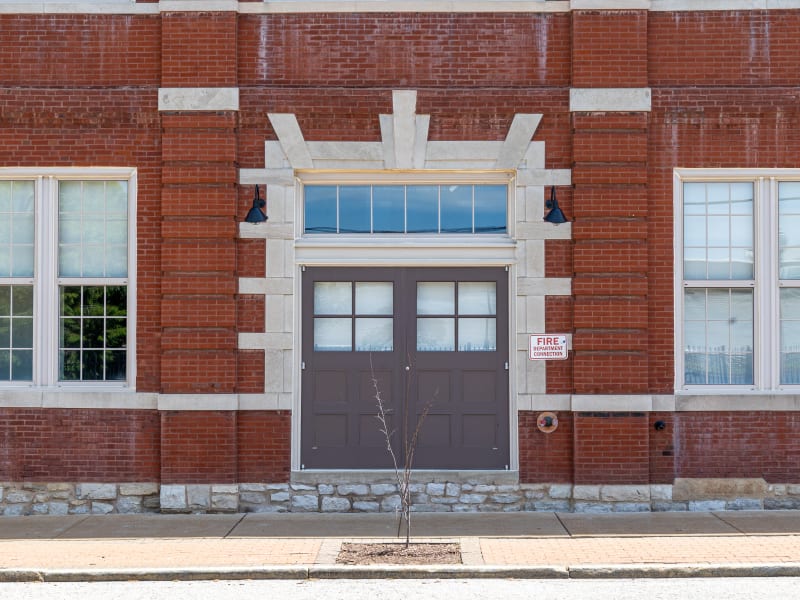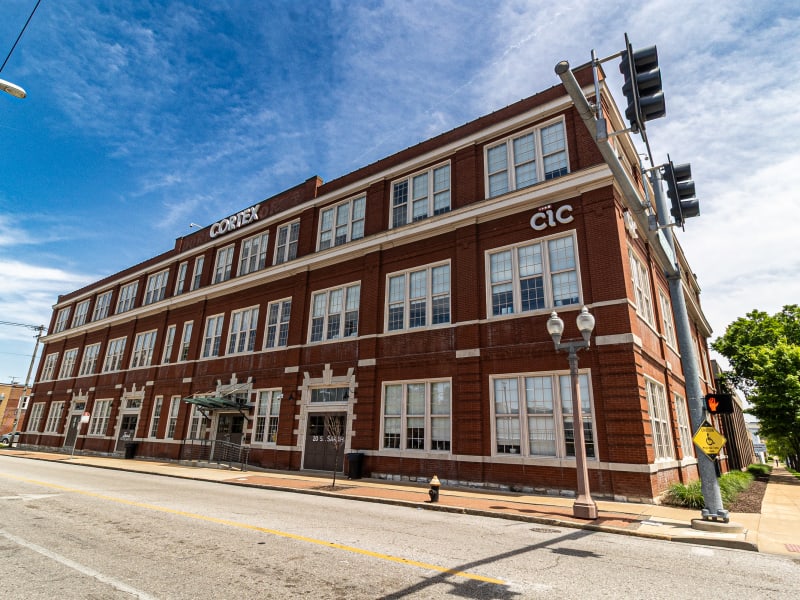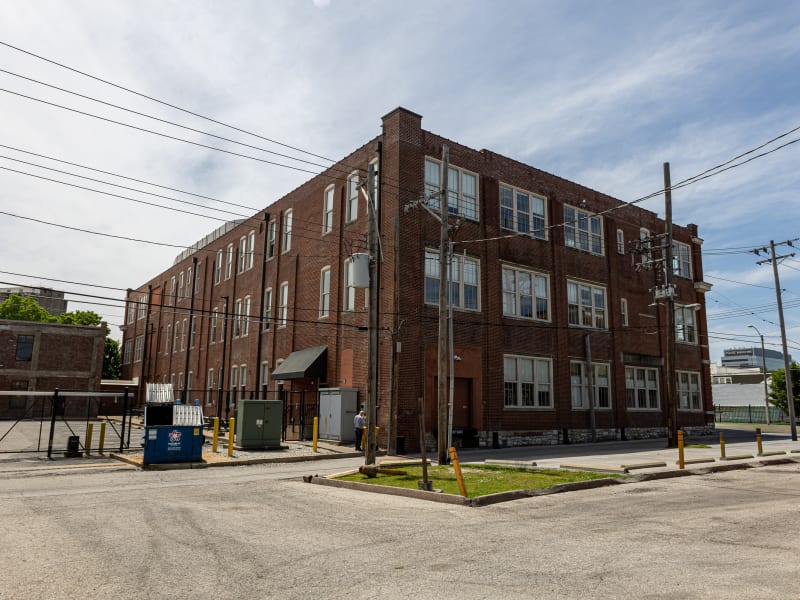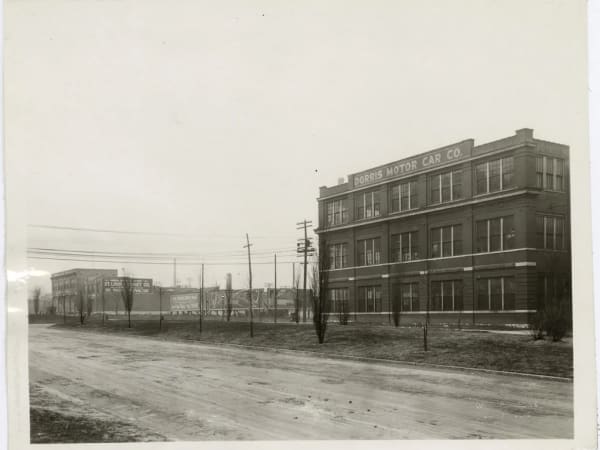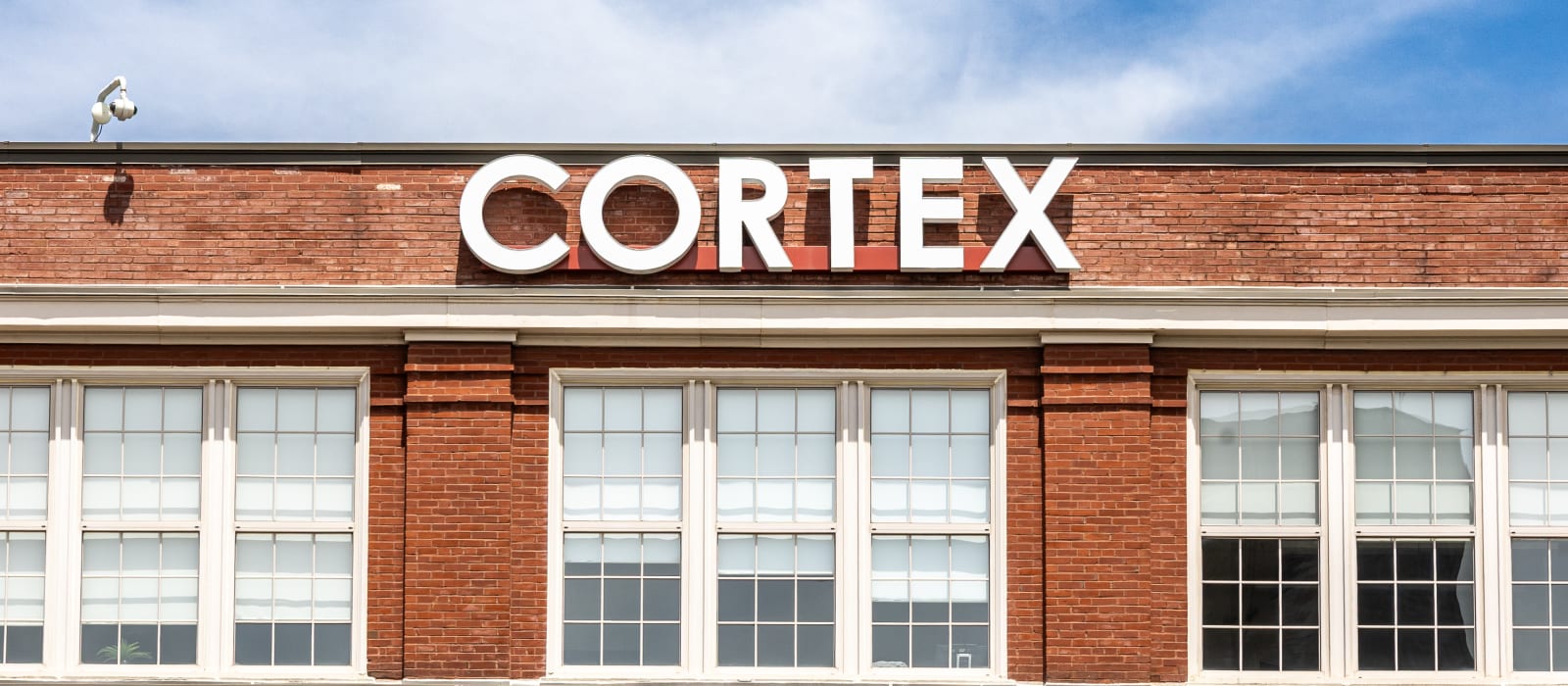
The Dorris Motor Car Company building is a handsome four-story commercial structure executed in red brick with restrained Classical Revival detailing. Its symmetrical facade features large industrial windows arranged in regular bays, decorative brick corbeling, and a prominent cornice—design elements that reflect the substantial, well-crafted character of early automotive industry buildings while lending an air of civic permanence to what was originally an industrial enterprise.
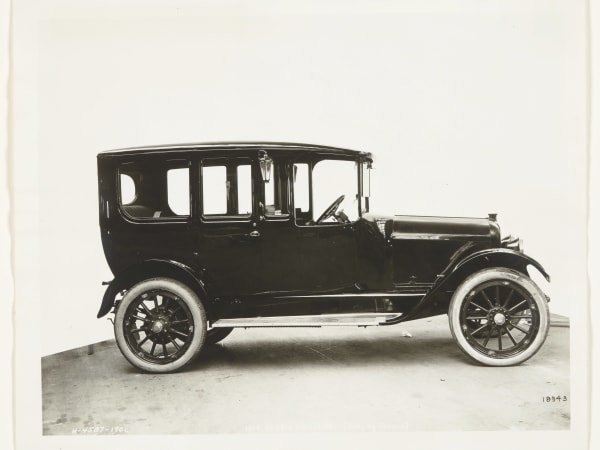
The Dorris Motor Car Company building was constructed in 1911 to serve as the headquarters and showroom for one of St. Louis's most prestigious early automobile manufacturers. George Preston Dorris, a pioneer of the American automotive industry who had built his first gasoline-powered vehicle in 1897, established the Dorris Motor Car Company in 1906. The company quickly earned a reputation for producing high-quality, luxury automobiles that competed with the finest cars of the era. To accommodate the growing business, the company commissioned architect John L. Wees to design this substantial facility in the Central West End, which was then emerging as a fashionable district attractive to the wealthy clientele who purchased Dorris automobiles. The Dorris Motor Car Company operated from this location during the peak years of St. Louis's automobile manufacturing industry, when the city was home to dozens of car makers. Dorris vehicles were known for their reliability and craftsmanship, with the company's slogan "Built Up to a Standard—Not Down to a Price" reflecting its commitment to quality over mass production. However, like many independent American automakers, Dorris struggled to compete with the economies of scale achieved by Detroit manufacturers. The company ceased production in 1926, a casualty of industry consolidation that saw most small automakers disappear during the 1920s. Following the end of automobile manufacturing, the building transitioned to other commercial and industrial uses throughout the twentieth century. The structure has survived as a testament to St. Louis's significant but often overlooked role in early American automotive history. Today, the building remains standing in the Central West End, serving as a tangible connection to an era when St. Louis was a major center of automobile innovation and production.