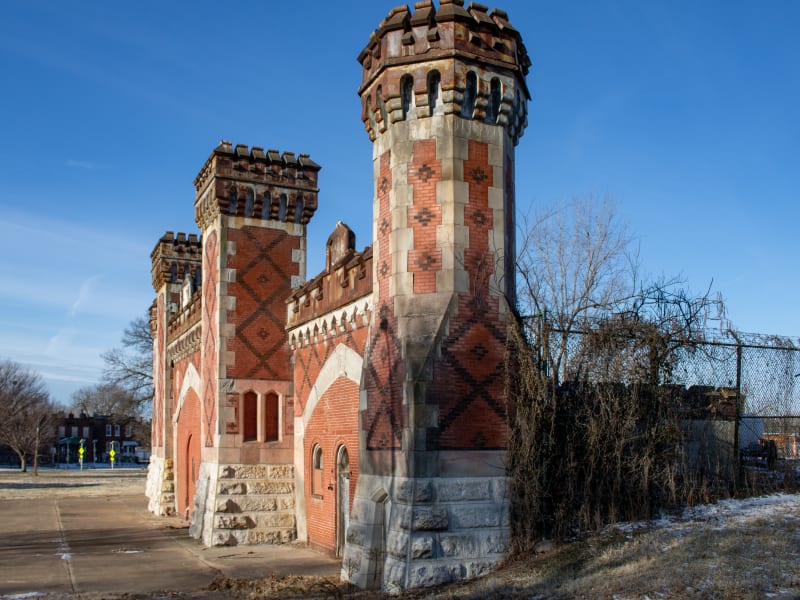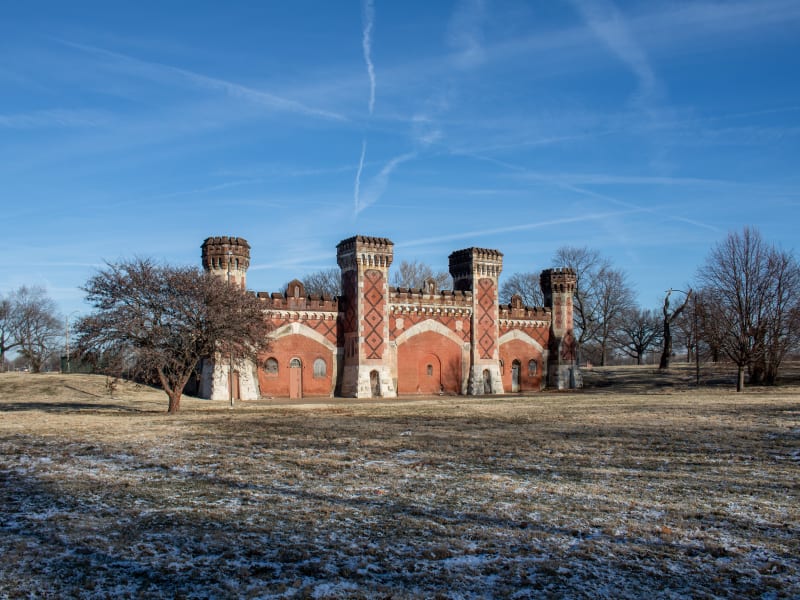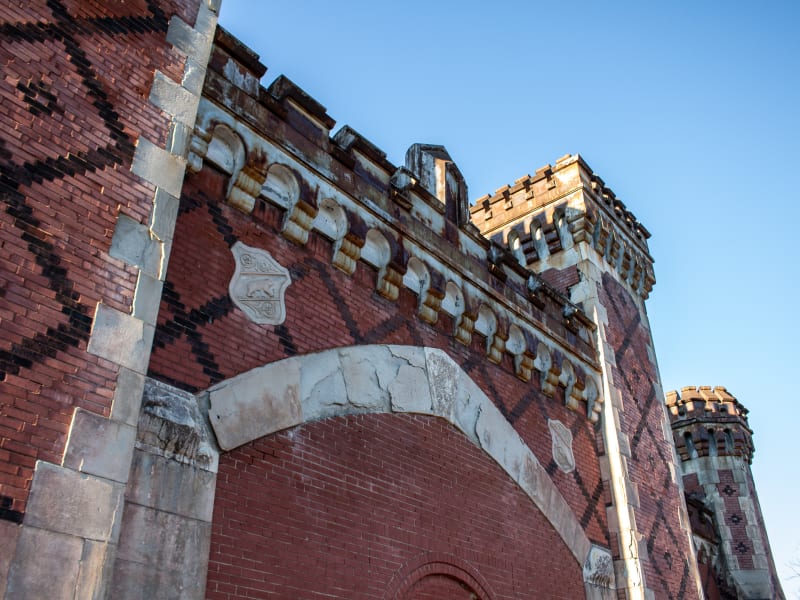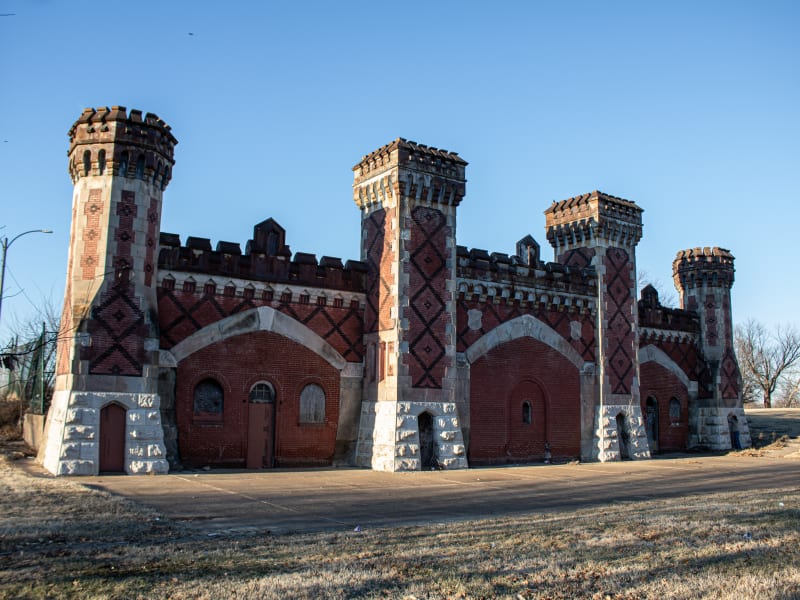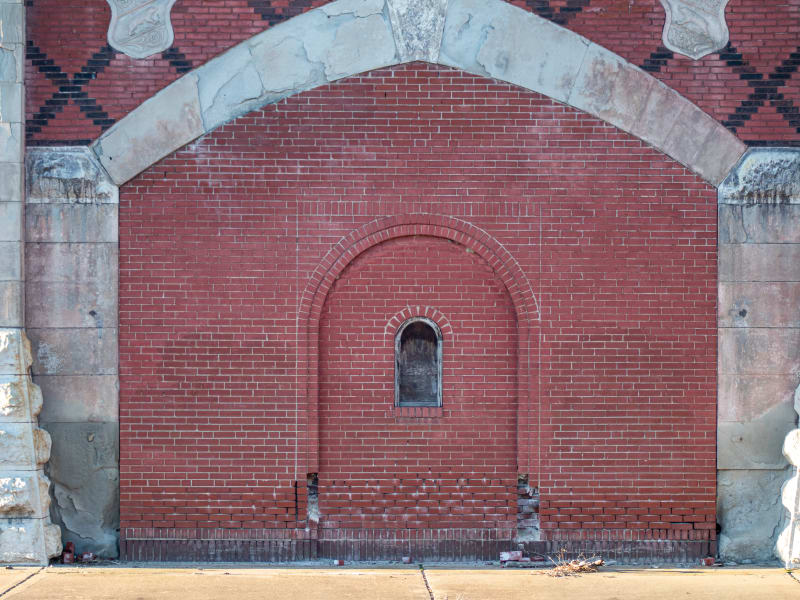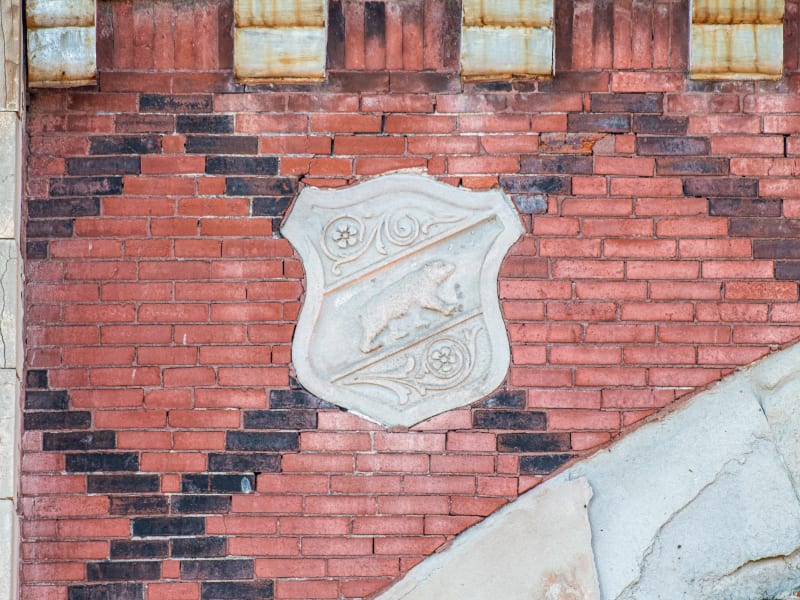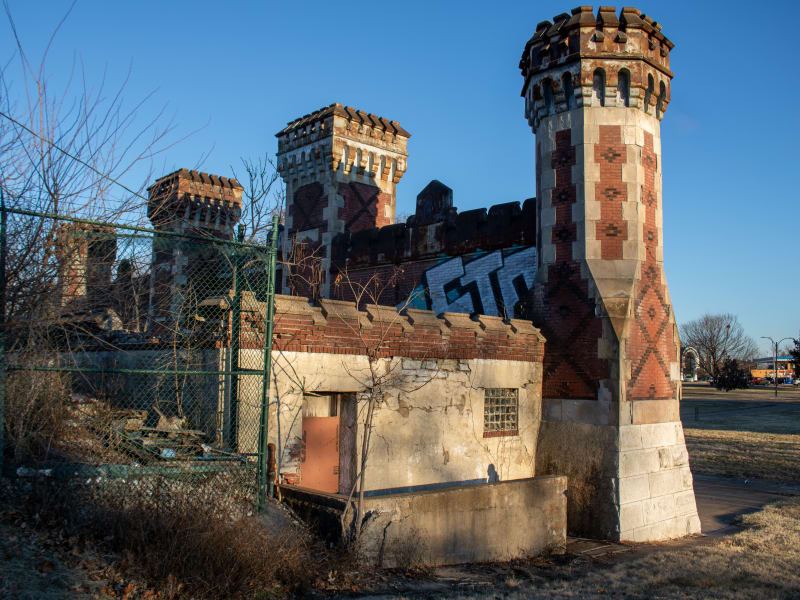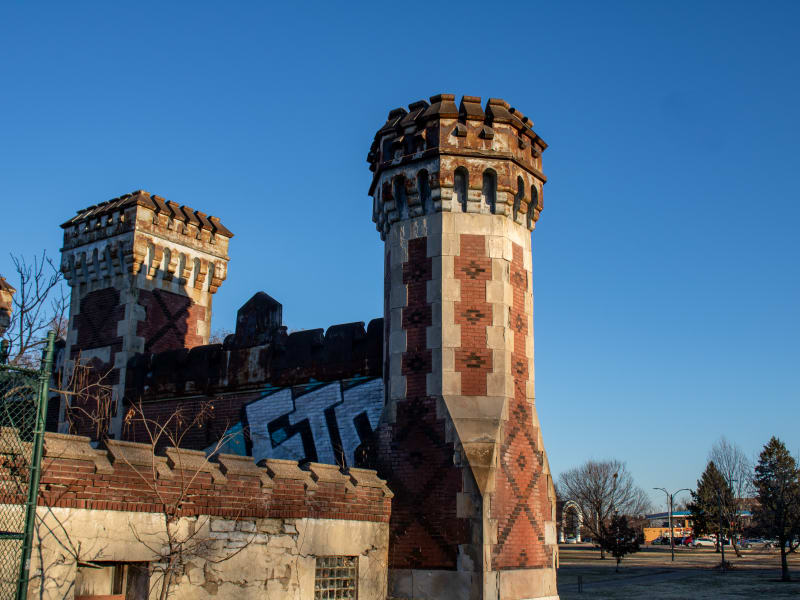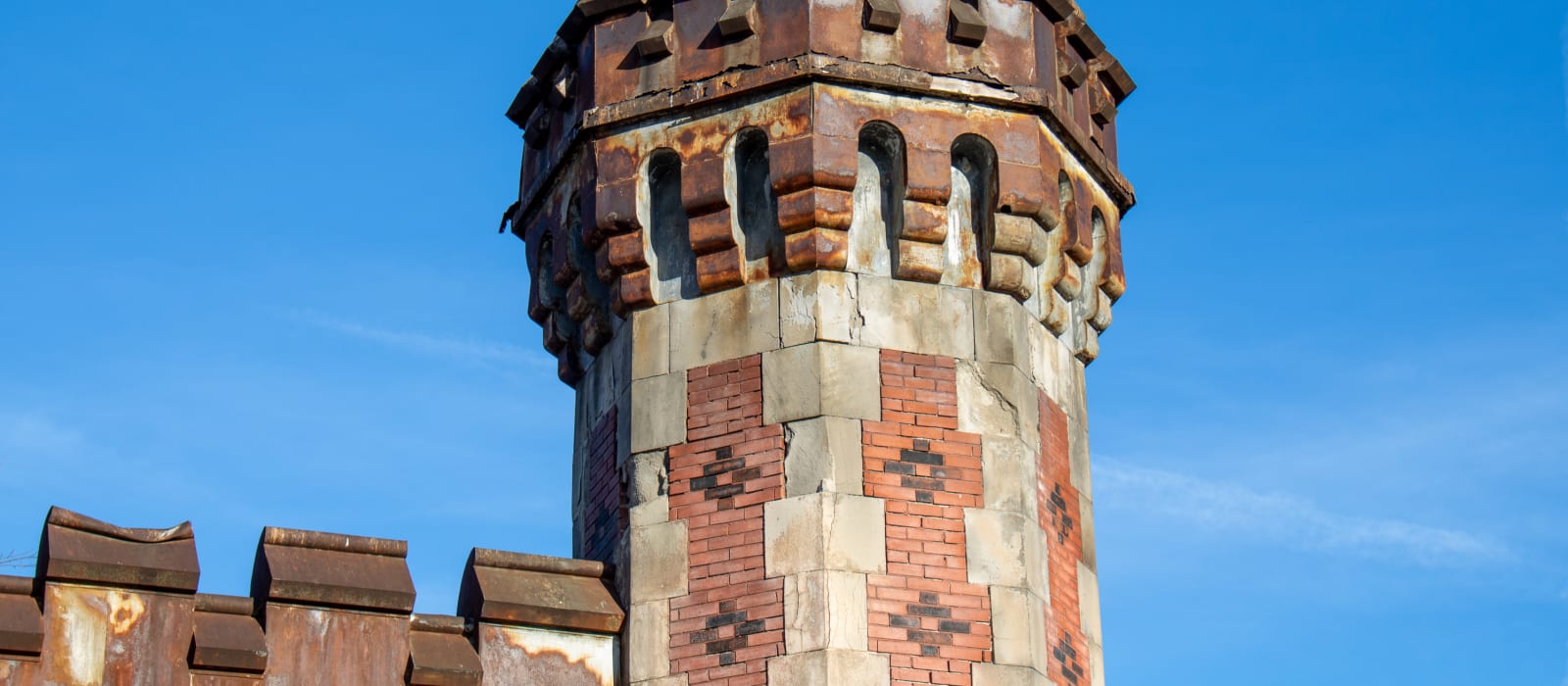
The Bear Pits are a sunken stone enclosure featuring rough-cut limestone walls arranged in a circular configuration, with iron railings along the viewing perimeter and a central rocky formation that once provided climbing surfaces for the animals. This rare surviving example of Victorian-era zoological architecture displays the rustic, naturalistic design sensibilities of 19th-century menagerie exhibits, with its durable masonry construction and utilitarian yet picturesque form.
The Bear Pits at Fairgrounds Park were constructed in 1876 as part of St. Louis's early efforts to establish public zoological attractions within its expanding park system. Fairgrounds Park itself had origins tied to the St. Louis Agricultural and Mechanical Association, which held fairs on the grounds beginning in the 1850s. As the park transitioned to public municipal use, city leaders added amenities to attract visitors, including a small menagerie that featured the bear enclosure as one of its primary exhibits. For several decades, the Bear Pits served as a popular destination for St. Louis families, offering an accessible encounter with wildlife in an era before the establishment of the city's formal zoological garden in Forest Park. The menagerie at Fairgrounds Park represented the prevailing Victorian approach to displaying animals—utilitarian enclosures that prioritized containment and public viewing over animal welfare considerations that would emerge in later generations. Bears remained housed at this location through the late 19th and early 20th centuries, though the exact timeline of animal occupancy remains unclear from available records. As the St. Louis Zoo developed and expanded in Forest Park following its founding in 1910, the Fairgrounds Park menagerie gradually declined in prominence. The Bear Pits eventually ceased functioning as an animal exhibit, though the structure itself was preserved. Today, the empty enclosure stands as one of the oldest surviving pieces of zoological infrastructure in the United States, maintained as a historical curiosity within Fairgrounds Park and offering visitors a tangible connection to 19th-century approaches to wildlife exhibition and public recreation.